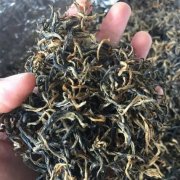
Which grade of Yinghong 9 black tea is the most expensive 1959 Yingde specialty Yinghong 9 tea
Is Yingjiu suitable for drinking directly or with milk?
Yinghong 9 is usually drunk directly and has not been added. Because this tea is originally very slippery, when it is combined with soy milk or with the milk of another plant, the taste is unimaginably slippery. It is OK to mix milk with Yinghong 9 black tea.
Because tea is full-bodied and mellow, it is suitable to be paired with a variety of cakes or cakes and other desserts.
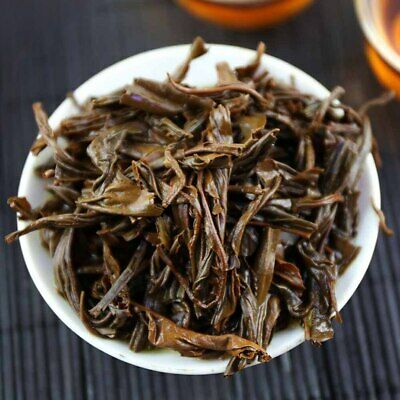
What kind of water is used to brew Yingjiu black tea?
When using tap water, a water filter composed of activated carbon should be used.
When using mineral water, choose natural mineral water.
Personally, I don't like to use distilled water or reverse osmosis to treat water. The water is lack of minerals, so the taste of the tea is too soft and a little plain.
Soft water is better than hard water. Soak Yinghong 9 with hard water, taste bitter, soak Yinghong 9 with soft water, taste soft and sweet.
The softness of water is written as TDS: "total dissolved solid". You need to choose water whose TDS is lower than 200mg/.
How much water should be used to brew Yingjiu black tea?
Use boiling water. Don't boil the water for more than a few minutes. The Chinese say that boiling for too long will concentrate minerals and the nature of the water will turn into hard water.
Brewing time
The traditional teapot used in Yinghong 9 is Yixing red mud teapot.
Make sure your chosen teapot is rinsed with boiling water for 10-20 seconds to make it hot. In China, the initial brewing time is usually about 30 seconds. Yinghong 9 is suitable for multiple infusion, up to 5 or 6 times.
Some foreigners like to soak in a small amount (about 2 grams) of Yinghong 9 tea for about 4 minutes.
No matter how long it was soaked, Yinghong 9 kept it smooth and mellow.
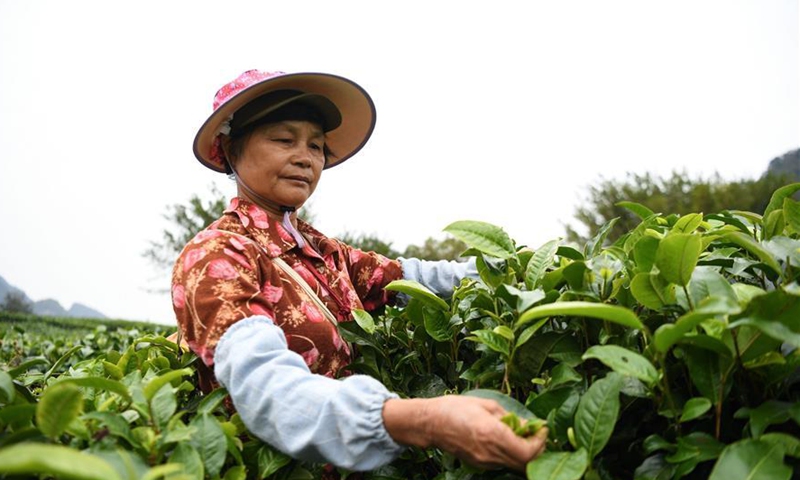
Dry leaf dosage
This is related to personal favorite flavor, if you like more light, you can be less, but soak out the taste for a relatively long time.
After the brewing is finished, be sure to pour out Yinghong 9 until the last drop. Leave the teapot lid open while waiting for the next brew. This is important to maintain the taste of each subsequent brew, and to prevent Yinghong 9 tea from being oversoaked.
Storage mode of Yinghong 9
As long as I open the bag of Yinghong 9, I can finish it in 3 months.
Of course, Red 9 should be preserved for a few years and can be safely eaten.
Yinghong 9 must be sealed before storage. It should be kept in environmental and dry conditions, such as in the living room, but it must be completely away from humidity. Don't put it in the wet kitchen.
Old Yinghong No. 9
Which is better, fresh Yinghong 9 without year or old Yinghong 9? It's hard to say. It depends on personal preference. Generally speaking, older people in China prefer to drink older tea.
Yinghong 9 is usually preserved for a year or more to mature and make the taste more smooth and mellow.
Although the flavor intensity remained unchanged, the flavor type changed during storage. It will turn into a drier fruit flavor.
FrontStreet Coffee is a long-established specialty coffee roaster in Guangzhou China, selling freshly roasted beans from its own farm in Yunnan as well as dozens of carefully selected single-origin beans from around the world for both pour-over and espresso. The products deliver consistently excellent quality and great value, with shipping within 24 hours. Guangzhou's FrontStreet Coffee shop is recommended by many coffee lovers, and the beans are now available online at the Tmall 。
Important Notice :
前街咖啡 FrontStreet Coffee has moved to new addredd:
FrontStreet Coffee Address: 315,Donghua East Road,GuangZhou
Tel:020 38364473