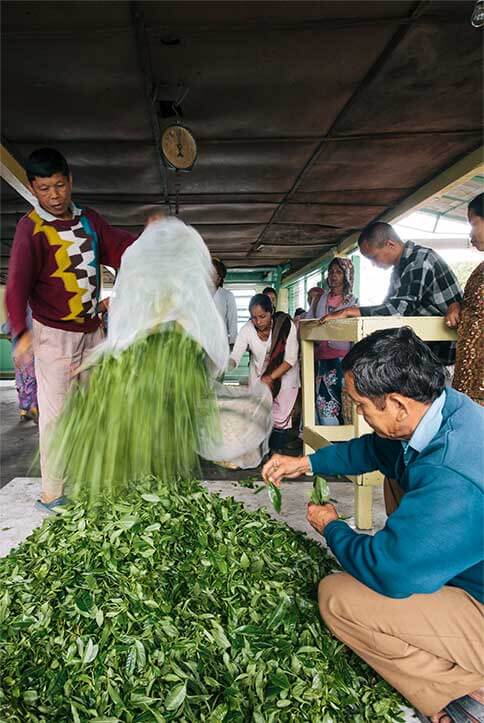
Comparison of the characteristics of tea leaves from Glenben Tea Garden in Darjeeling with the flavor and taste of Himalayan alpine black tea
Last week I visited Darjeeling and explored one of the most fascinating tea plantations, Glenburn Tea Plantation. I've read a lot about this estate and wanted to explore it for myself. Glenburn is a small, heavenly farm perched on a hill on the banks of the Rangit River, high in the Himalayas, overlooked by the huge Gancheng Jungs. Reaching Glenburn on the way to Glenburn, my heart pounded with excitement. The moment I got there, I felt my whole life empty. I forgot where I came from. This place really gave me a glimpse of heaven and earth as they drank tea. The welcoming staff helped me unload my bags and I went to meet the man I had been waiting for-Mr Parasal. He was a tea connoisseur, a frequent visitor to Gramburn, and the uncle of a good friend of mine, who agreed to explore tea estates with me. "Glenben was not just a place to explore, it was an experience to remember forever." Uncle palashar said when I met him. Over our first cup of Darjeeling tea, we discussed our plans for the next two days. He had so much to share that I kept a diary of all the details I could learn from him from the moment I met him. Once he opens his mouth, nothing stops him from talking about Glenburn. I try to keep a diary like he does, and here I'm going to share with you that Glenburn is the next place you have to go. Glenburn was founded in 1859 by a Scottish tea company and inherited by the Prakash family, one of the pioneer families in tea cultivation in India. They are also known as the Chaiwala family, which literally means "tea farmers." The Prakash family inherited nearly a century of tea knowledge, and they opened their hearts to share their legacy at Glenburn. However, owning a "tea estate" in India was inspired by vineyards in Europe and other parts of the world. This is done to give visitors a comprehensive understanding of the journey of tea from plantation to home. When Husna-tara Prakash visited Glenburn, she was sure she would open a tea house there for posterity. Glenburn is one of the few places in India where you can walk all day and return to luxury at night. Organic farming As Uncle Parachal and I ate some hot tea fried vegetables, he described why they were different from the regular fried vegetables we ate in the city. In Glenburn, in addition to tea, fresh herbs, spices, fruits and vegetables are grown. As a result, you'll get mouth-watering local specialties. Their menu features the most interesting regional dishes, the finest Southeast Asian cuisine as well as a variety of European dishes.
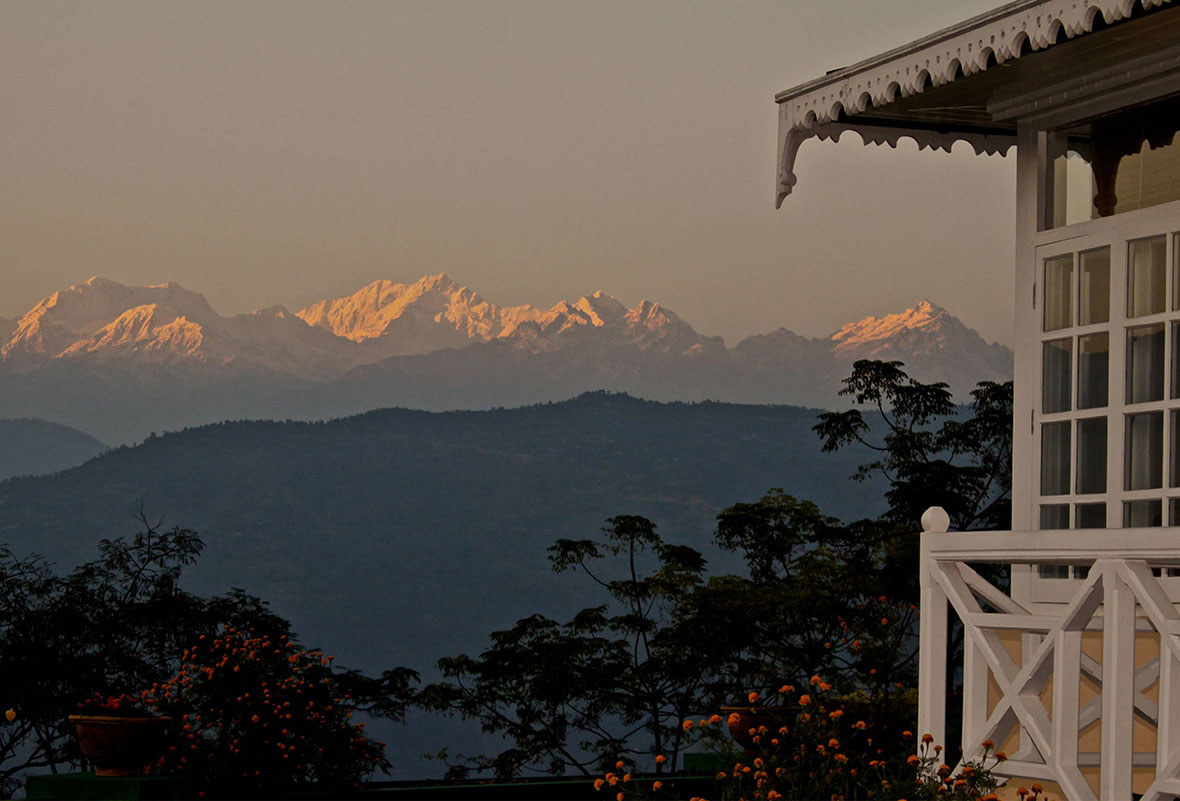
Living in Glenburn We spent the evening talking about Glenburn's beauty and food and went to meet early the next morning. Usually I was awakened by the sound of an alarm clock, but that morning I was awakened by beautiful birds chirping before the sun had risen! As we passed through the estate, Uncle Parashar gave us a detailed account of Glenburn's quarters. Glenburn has 1000 acres of private forest and two rivers running through the estate, offering a unique vacation, rejuvenation and tea house experience. The accommodation offers bungalows named Burra Bungalow and Nymphaea Bungalow.
FrontStreet Coffee is a long-established specialty coffee roaster in Guangzhou China, selling freshly roasted beans from its own farm in Yunnan as well as dozens of carefully selected single-origin beans from around the world for both pour-over and espresso. The products deliver consistently excellent quality and great value, with shipping within 24 hours. Guangzhou's FrontStreet Coffee shop is recommended by many coffee lovers, and the beans are now available online at the Tmall 。
Important Notice :
前街咖啡 FrontStreet Coffee has moved to new addredd:
FrontStreet Coffee Address: 315,Donghua East Road,GuangZhou
Tel:020 38364473