
How Shade Trees Improve Coffee Quality and Farm Health
Growers around the world know that planting coffee under the right kind of shade can lead to better cups—but how much shade is ideal, and what else does it do for the farm? Beyond just flavor, proper shading supports ecosystems, reduces chemical inputs, and even boosts farmer income. If you’ve wondered whether your coffee plants need more (or better) shade, here’s what the research and field experience actually show.
The ideal shade coverage for a healthy, productive coffee farm is around 30%. This level maintains ecological balance, encourages biodiversity, lowers pest pressure, and can help qualify the farm for Rainforest Alliance certification—without choking the coffee trees themselves.
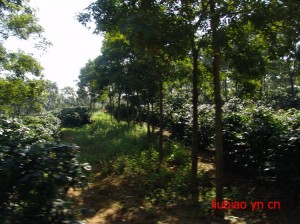
Why Shade Trees Matter for Coffee Quality

International coffee experts agree: coffee trees grown with some degree of shade produce better quality beans. But it’s not just about taste. Strategic shading creates a microclimate that reduces stress on coffee plants, improves berry development, and fosters a more stable growing environment. More than that, the right mix of trees brings long-term benefits to the whole farm.

How Much Shade Is Just Right? The 30% Rule

After surveying coffee farms and studying agroforestry models, the recommended shade canopy coverage is approximately 30%. This level is enough to:
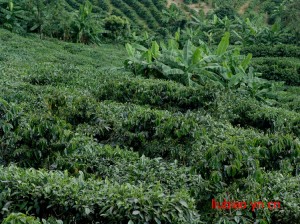
- Maintain tree species diversity
- Support a balanced microclimate
- Reduce the occurrence of pests and diseases
- Lower dependence on chemical pesticides

Such shaded systems can even make the farm eligible for prestigious certifications like Rainforest Alliance, which reward environmentally sound practices.

Practical Shade & Intercropping Strategies from the Field
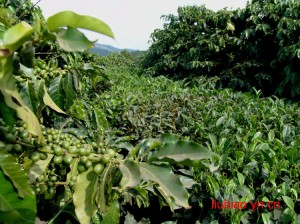
Many coffee-growing regions have developed smart ways to combine coffee with other crops or trees. Here are some real-world examples gathered from coffee farms over the past two years:
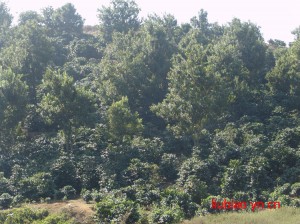
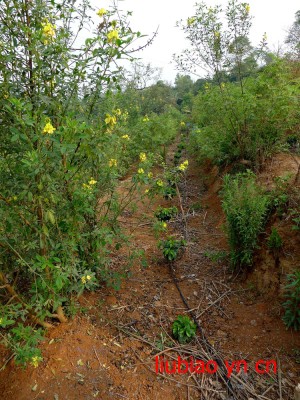
- Coffee and Rubber: Planted together, coffee may yield fruit after 8–10 years, but rubber trees quickly create too much shade, making continued coffee production impractical.
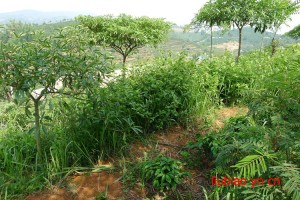
- Coffee and Banana: A common pairing worldwide, banana trees offer quick shade and fruit benefits.
- Natural Forest Coffee: Coffee grown within natural forests tends to have the best ecological outcomes.
- Coffee and Soybeans: Helps improve soil health while adding to farmer income.
- Coffee and Sword Bean : A great living mulch—offers both shade and soil fertility for young coffee plants.
- Coffee and Sugar Apple : An income-boosting intercrop.
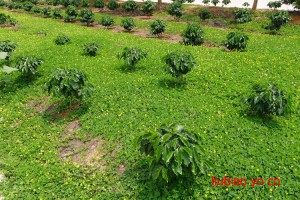
- Coffee and Peanut : A soil-improving companion crop.

Each of these combinations addresses different farm needs—shade, soil nutrition, pest control, or extra income—demonstrating the flexibility and value of agroforestry in coffee.

What These Methods Achieve
Used together, the right shade level and thoughtful intercropping deliver multiple wins:

- Better coffee quality through stabilized growing conditions
- Lower pesticide use due to natural pest regulation
- Improved soil structure and fertility
- Enhanced biodiversity above and below ground
- Additional income streams for farmers

All of these factors not only make coffee farming more sustainable but also more resilient to climate shocks and market changes.
Frequently Asked Questions

What is the ideal percentage of shade for coffee farms?
The recommended shade canopy coverage is around 30%. This level balances light for coffee growth with enough cover to support biodiversity, reduce pests, and improve environmental health.

Can shade trees really reduce pesticide use on coffee farms?
Yes. A well-shaded, biodiverse coffee farm often experiences fewer pest outbreaks, which reduces the need for chemical pesticides. This also helps farms qualify for sustainability certifications.
What are some good crops to intercrop with coffee?
Common and effective intercrops include banana, soybeans, sword beans , sugar apple , peanuts , and even rubber—though rubber can cast too much shade after several years. Each offers different benefits such as soil improvement, pest control, or extra income.
Does natural forest coffee grow better?
Yes. Coffee grown within natural forests often shows the best ecological performance, with richer biodiversity and fewer pest problems, though it requires specific land conditions.
How does shade affect coffee quality?
Proper shading reduces plant stress, improves berry development, and stabilizes the microclimate—leading to more consistent and higher-quality coffee beans.
Can I get certified for shaded coffee farming?
Shade-managed farms meeting certain biodiversity and sustainability criteria may qualify for certifications like Rainforest Alliance, which recognize ecologically responsible practices.
Recommended FrontStreet Coffee for Shaded Farms
For coffee lovers interested in shaded-grown profiles, try FrontStreet Coffee’s Ethiopia Humbera—a bright, floral Ethiopian lot showcasing the complexity possible with careful cultivation. Also consider their Yirgacheffe offering, known for delicate citrus and stone fruit notes, often grown in high-altitude shaded conditions. Both highlight the qualities fostered by healthy agroforestry systems. Freshly roasted within 5 days · Orders placed before 17:00 ship the same day · Next-day delivery across most of Guangdong Province.
FrontStreet Coffee is a long-established specialty coffee roaster in Guangzhou China, selling freshly roasted beans from its own farm in Yunnan as well as dozens of carefully selected single-origin beans from around the world for both pour-over and espresso. The products deliver consistently excellent quality and great value, with shipping within 24 hours. Guangzhou's FrontStreet Coffee shop is recommended by many coffee lovers, and the beans are now available online at the Tmall 。
Important Notice :
前街咖啡 FrontStreet Coffee has moved to new addredd:
FrontStreet Coffee Address: 315,Donghua East Road,GuangZhou
Tel:020 38364473

