Starbucks Coffee Fair Trade Certification cancelled! Change the moral purchasing position of coffee
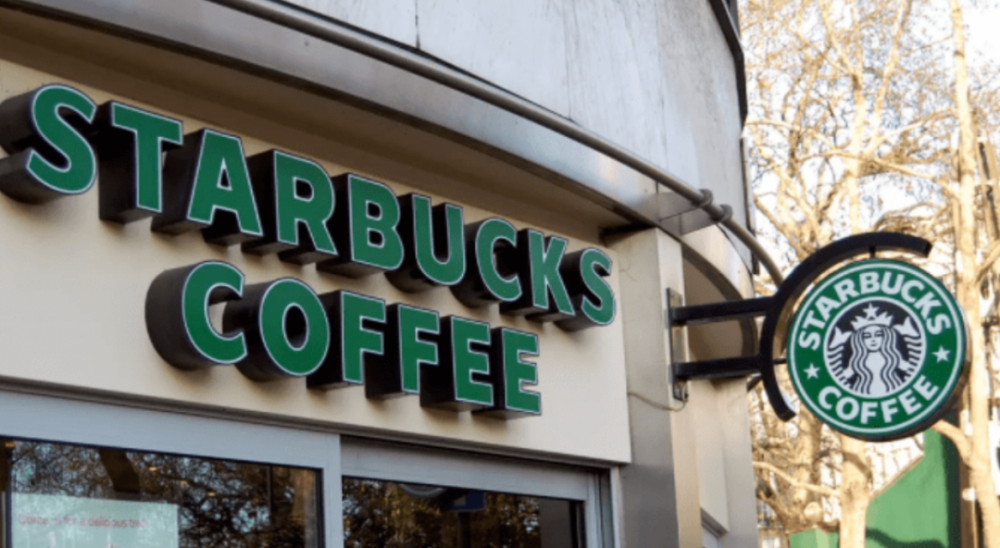
Starbucks has severed its partnership with the Fair Trade Foundation, inews News reported on February 16. In a subsequent statement to the relevant supply management, Peg Willingham, the US Fairtrade executive director in charge of Starbucks global relations, said: "although the partnership has been severed, Starbucks will continue to buy Fairtrade coffee beans. However, there will be a gradual reduction in the purchase of Fairtrade coffee in Europe, the Middle East and Africa. "
At the same time, the statement also said that although it is no longer working with the Fair Trade Foundation, Starbucks has a new program within Starbucks that will continue to maintain and implement the coffee and grower Fairness Code (C.A.F.E) developed by Starbucks in partnership with the environmental non-profit organization Conservation International. Severing cooperation with the Fair Trade Foundation means that the coffee sold by Starbucks around the world will no longer be guaranteed by Fairtrade in the future.

The Starbucks Fair Trade Foundation, a British member of the International Fair Trade Organization (Fairtrade International), was founded in 1992 and is an independent non-profit organization. The organization combines more than 20 labelling initiatives in the network of producer organizations in Europe, Japan, North America, Mexico and Australia / New Zealand, as well as in Asia, Africa, Latin America and the Caribbean. It is reported that Starbucks has been working with the Fair Trade Foundation since 2000. In 2010, the Fair Trade Foundation provided two agreements on coffee fair trade that allowed Starbucks to invest more than $14 million to finance farmer loans for Fairtrade cooperatives. Subsequently, Starbucks used coffee beans provided by proprietary growers registered with the Fair Trade Foundation, democratically run coffee cooperatives and associations.
It is also because of the cooperation with the Fair Trade Foundation that Starbucks began to develop strict procurement guidelines-coffee and grower fairness norms (C.A.F.E) in 2004. The establishment of the project will promote environmentally responsible planting methods, ensure a minimum wage for coffee farmers, a fairer working environment and economic transparency. After the report of severing cooperation with the Fair Trade Foundation, many relevant groups expressed concern. Since Starbucks cancelled its independent audit of Fairtrade, coffee and grower fairness rules (C.A.F.E) may not be as stringent as they used to be. At the same time, the teams also challenged Starbucks' coffee and grower fairness regulation (C.A.F.E), saying that under fair trade rules, Starbucks must pay farmers the minimum price of coffee beans and fair trade premium, and meet the standards to protect workers' and environmental rights, but the C.A.F.E code does not guarantee "the minimum price of coffee beans to farmers." At the same time, Fairtrade standards require that "coffee purchased should be grown by small farmers organized by cooperatives", but C.A.F.E did not practice such a requirement.
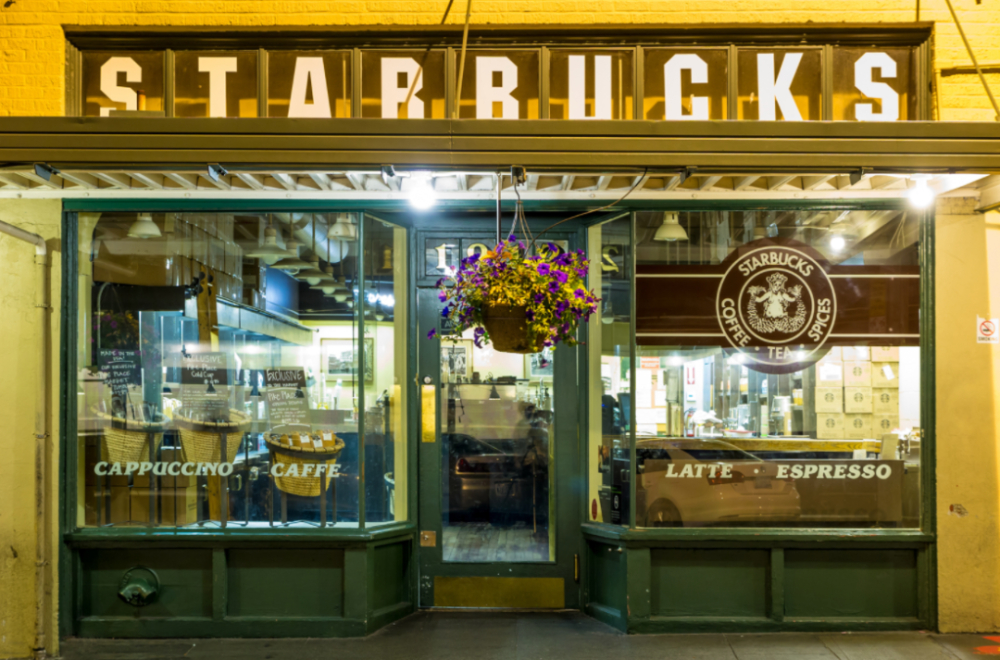
To this end, a Starbucks spokesman also responded to these questions: "it is inappropriate to make C.A.F.E the standard of Starbucks itself." Because it was developed in cooperation with Protection International and independently verified by SCS Global Services. These standards have been implemented since 2004, which is a strong plan. "
The spokesman responded to questions that the absence of the Fair Trade Foundation audit (C.A.F.E) may not be as stringent as before: it will then be audited by SCS Global Services, a leading organization in the field of third-party environmental and sustainability certification. " The company mainly provides high-quality sustainable development services, and Starbucks has a close relationship with SCS because it has worked so hard on environmental protection in recent years.
And this is not the first time Starbucks has changed its position on ethical procurement. In 2015, Starbucks promised to use 100% caged eggs (that is, eggs produced by free-range hens) in all egg-containing foods sold in all stores around the world, including franchises and franchises, by 2020.
But it wasn't long before Starbucks changed its promise, saying that only Starbucks stores would do so, meaning that 40% of Starbucks franchise stores worldwide would be excluded from the commitment.
Photo Source: Internet
Professional coffee knowledge exchange more coffee bean information please follow the coffee workshop (Wechat official account cafe_style)
For more boutique coffee beans, please add private Qianjie coffee on Wechat. WeChat account: kaixinguoguo0925
FrontStreet Coffee is a long-established specialty coffee roaster in Guangzhou China, selling freshly roasted beans from its own farm in Yunnan as well as dozens of carefully selected single-origin beans from around the world for both pour-over and espresso. The products deliver consistently excellent quality and great value, with shipping within 24 hours. Guangzhou's FrontStreet Coffee shop is recommended by many coffee lovers, and the beans are now available online at the Tmall 。
Important Notice :
前街咖啡 FrontStreet Coffee has moved to new addredd:
FrontStreet Coffee Address: 315,Donghua East Road,GuangZhou
Tel:020 38364473