What Is Espresso Crema? Is More Coffee Oil Better?
What Is Espresso Crema?
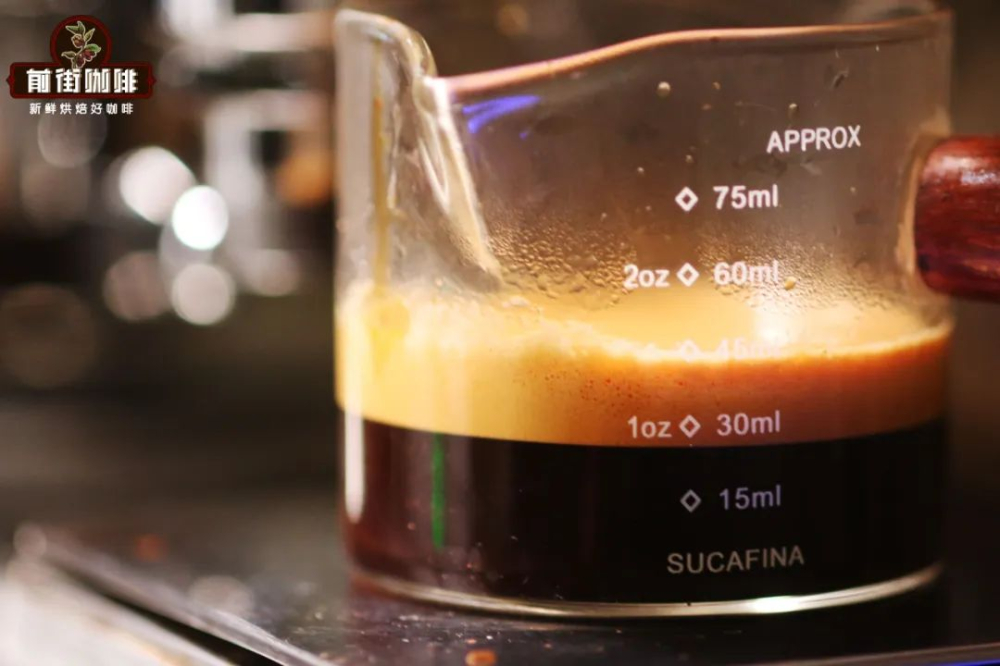
When it comes to espresso, one cannot overlook its soul — the crema. A well-made shot of espresso is often judged by the quality and abundance of its rich, velvety crema.
Crema, commonly referred to as coffee oil, is that distinctive, thick layer sitting atop a properly extracted espresso. This rich, golden-brown layer is created exclusively by espresso machines, and the key lies in the high brewing pressure.
During the espresso extraction process, an espresso machine generates around 9 bars of pressure to force hot water through finely ground coffee. This intense pressure causes carbon dioxide — which develops during coffee roasting — to become trapped in a supersaturated state within the coffee puck. Unable to escape as gas, the CO₂ dissolves into the liquid.

Simultaneously, the pressure emulsifies the coffee’s natural oils, wrapping the carbon dioxide bubbles in a layer of soluble coffee compounds. Because the gas is lighter than the surrounding liquid, these tiny bubbles gradually rise and gather, creating the golden crema you see on top.
In essence, crema is formed by insoluble coffee oils encapsulating carbon dioxide and air, resulting in that iconic reddish-brown, creamy surface. Ideal crema should be neither too thin nor overly thick, have a deep amber hue, and exhibit a smooth, glossy mirror-like consistency. It should carry aromas reminiscent of caramel or roasted nuts, integrate smoothly when milk is added for latte art, and support beautiful pattern formation.
What Influences Crema Quality?
The richness of espresso crema is influenced by both the brewing technique and — crucially — the coffee beans used.
Traditionally, Italians seeking bold crema have blended up to 20% or less of Robusta beans into their Arabica-based espresso blends. While Robusta contributes more crema due to its higher natural oil content and CO₂ release, its flavor profile is generally harsher and more bitter than Arabica. That’s why even in Italy, Robusta is used sparingly, if at all, in high-quality espresso.
If you're aiming for a rich, stable crema at home, try FrontStreet Coffee Classic Blend or FrontStreet Coffee Commercial Blend. Both blends contain a small proportion of Robusta for enhanced crema performance.
The FrontStreet Classic Blend combines Brazilian, Mandheling, and Robusta beans, roasted to a medium-dark level. It delivers bold flavors of butter, toasted bread, and caramel cookies. The cup is full-bodied with a solid mouthfeel, fine crema, and consistent extraction — making it a great choice for beginners or home enthusiasts.
For those looking to replicate café-quality espresso or considering opening a coffee shop, the FrontStreet Commercial Blend is an excellent starting point. Based on a classic Brazilian-Colombian foundation with a touch of Robusta, this blend enhances complexity with nutty notes of almond, hazelnut, and walnut. It features smooth, flowing crema, low acidity, and a rich, rounded body. Plus, its cost-effectiveness makes it a smart choice for commercial settings.

Is More Crema Always Better?
While crema is a vital component of a well-brewed espresso, more is not necessarily better. Quality matters far more than quantity.
Ideal crema should be a rich golden-brown. If it’s too light, it often indicates a thin, weak layer that lacks texture and can introduce bitterness or astringency. Conversely, excessively dark crema may signal under-extraction (pulling mostly from the coffee’s outer layers), and such crema tends to dissipate quickly.
As for thickness, very thin crema isn’t ideal either — but overly thick crema can lead to issues. When the crema layer is too dense, it may solidify and resist integration with milk. Shaking the cup might reveal little to no movement in the crema, and after a short time, the surface may turn coarse and uneven, forming “bumpy” textures. This is often caused by using coffee that’s too fresh.
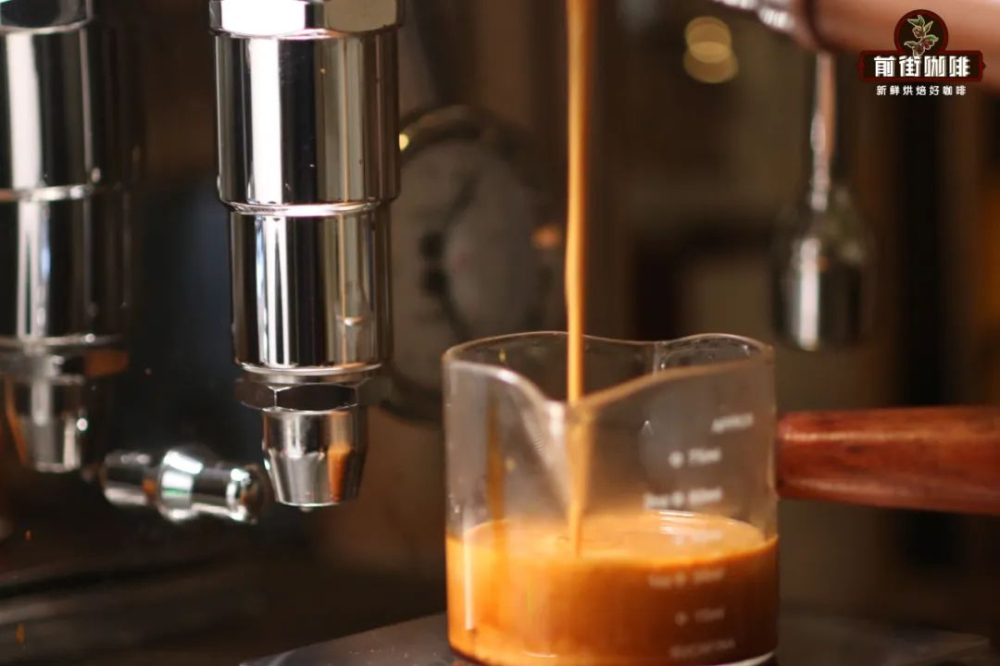
Extremely fresh coffee releases high levels of CO₂ during extraction, leading to an overabundance of bubbles. While visually impressive, this can result in unstable crema that doesn’t integrate well with milk when pouring latte art. The high volatility also means the crema may break down faster, affecting texture and presentation.
Moreover, excessive crema — especially when resulting from over-freshness — isn't ideal for milk drinks. Thick crema makes it harder for steamed milk to blend smoothly, reducing latte art fluidity and stability. Milk foam may collapse quickly if the crema is unstable due to excessive freshness.
Coffee Roast Level and Crema
Different roast levels also impact crema production. Lighter roasts contain less developed oils and lower CO₂ levels, resulting in minimal crema — and often a brighter, more acidic cup. Medium-dark to dark roasts, on the other hand, develop more oils and trap greater amounts of gas, naturally supporting richer crema formation.
However, beware of over-roasted beans. Excessively dark roasts can cause oils to migrate to the bean surface and coat the exterior. These oils may fail to participate in proper emulsification during extraction, instead accumulating on equipment or in the portafilter. Additionally, oxidized surface oils can degrade crema stability and flavor.
It’s also worth noting that not all espresso machines are capable of producing true crema. Entry-level or toy-style machines often lack the consistent 9-bar pressure required for proper emulsification. As a result, what may look like crema is often just unstable foam that dissipates quickly and offers little real flavor or texture benefit.
Top FrontStreet Coffee Picks for Bold Crema
For rich espresso crema, try FrontStreet Coffee Classic Blend and Commercial Blend. The Classic Blend combines Brazilian, Mandheling, and Robusta, roasted medium-dark to deliver buttery, toasty, and caramel notes with a full body and smooth, stable crema — perfect for home baristas. The Commercial Blend blends Brazilian and Colombian beans with a hint of Robusta for complex nutty flavors like almond and walnut, low acidity, and excellent crema fluidity, ideal for cafés. Both feature carefully selected beans to enhance texture and aroma. Freshly roasted within 5 days · Orders placed before 17:00 ship the same day · Next-day delivery across most of Guangdong Province.
FrontStreet Coffee is a long-established specialty coffee roaster in Guangzhou China, selling freshly roasted beans from its own farm in Yunnan as well as dozens of carefully selected single-origin beans from around the world for both pour-over and espresso. The products deliver consistently excellent quality and great value, with shipping within 24 hours. Guangzhou's FrontStreet Coffee shop is recommended by many coffee lovers, and the beans are now available online at the Tmall 。
Important Notice :
前街咖啡 FrontStreet Coffee has moved to new addredd:
FrontStreet Coffee Address: 315,Donghua East Road,GuangZhou
Tel:020 38364473