How to Taste Refined Aromas in Handbrewed Coffee
If your daily coffee routine leaves you craving more flavor—more clarity, more aroma, more something—you’re not alone. Many coffee drinkers unknowingly settle for muted or masked tastes from pre-ground or stale beans. But there’s another way: handbrewing, when done right, can unlock a world of delicate, vibrant aromas hidden in high-quality coffee.
To experience the refined aromas of coffee through handbrewing, use freshly roasted single-origin beans, grind them just before brewing, and control variables like water temperature and brew time. Most specialty brewers agree: brewing within two weeks of roast and using a medium-fine grind (similar to table salt) brings out the best aromatic complexity.
What Makes Handbrewed Coffee Feel So Refined?
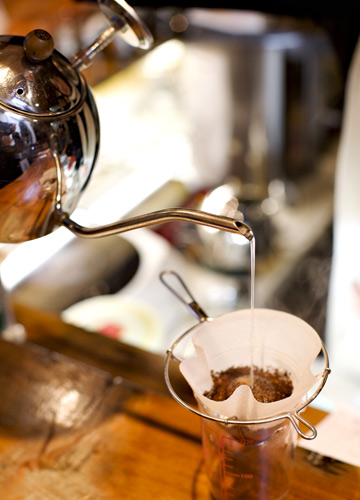
There’s a quiet intensity to making pour-over coffee by hand. The act itself—measuring beans, grinding them, heating water, pouring slowly—feels deliberate. That’s not by accident. The entire process is designed to highlight subtlety. The slow pour, the steam rising from the kettle, the gradual unfurling of aroma: it mirrors the care put into growing and roasting quality beans. Each step contributes to what some call 'slow precision'—the idea that taking your time with coffee reveals more of what it truly tastes like.
Why Freshness and Grinding Matter More Than You Think
Coffee’s aromatic compounds are volatile. Once beans are ground, they start losing flavor rapidly—often within minutes. That’s why serious handbrewers grind right before brewing. Pre-ground coffee? It might smell okay, but much of the nuance is already gone. Likewise, how long ago the beans were roasted makes a difference. For the brightest, cleanest flavors, use beans roasted no more than two weeks prior. Beyond that, you risk losing the very qualities—acid brightness, floral or fruity notes—that make specialty coffee special.
The Role of Brewing Variables in Coffee Aroma
Even slight changes in water temperature, grind size, or pour technique shift what you taste. Hotter water (typically 90–96°C) extracts more quickly, emphasizing brightness and acidity but risking over-extraction and bitterness. Cooler water pulls out deeper, heavier tones but may under-extract, leaving coffee flat. Grind size affects surface area and brew speed: too fine, and you risk over-extraction and bitterness; too coarse, and you get under-extracted, sour cups. The ritual isn’t rigid, but it demands attention. That focus is part of the reward.
How to Choose Coffee Beans for Aromatic Handbrewing
Not all beans reveal aroma equally. Some origins and processing methods highlight floral, fruity, or sweet notes better than others. For example, Ethiopian beans often shine with citrus and jasmine tones, while Colombian coffees may offer stone fruit and caramel. Processing also plays a role: washed beans tend to be cleaner and brighter, while natural or honey processed beans can carry more body and fermentation notes. The key is choosing freshly roasted, high-quality single-origin beans suited for pour-over. Avoid blends unless they’re explicitly designed for filter brewing.
Frequently Asked Questions
How soon after roasting should I use coffee beans for the best aroma in pour-over?
For the brightest and most aromatic pour-over results, use coffee beans within two weeks of their roast date. Freshly roasted beans (especially within 7–10 days) have more volatile aromatic compounds intact, which contribute to the delicate scents and flavors that handbrewing highlights.
Does grind size really affect the aroma of handbrewed coffee?
Yes. Grind size determines how quickly water extracts compounds from the coffee. A medium-fine grind (like table salt) is ideal for most pour-over methods, balancing extraction speed and surface area to highlight aromatic complexity without over- or under-extracting.
Why does my handbrewed coffee lack aroma compared to café coffee?
Your coffee may lack aroma due to stale beans, improper grind size, incorrect water temperature, or over/under-extraction. Using freshly roasted, high-quality beans and grinding them just before brewing—with attention to brew time and temperature—will help reveal more aromatic detail in your cup.
What water temperature is best for bringing out aroma in pour-over coffee?
The optimal water temperature range for pour-over is 90–96°C (195–205°F). This range extracts enough acidity and aromatic compounds for a balanced cup, highlighting floral, fruity, or sweet notes without excessive bitterness.
Can I use any coffee beans for handbrewing, or do I need special ones?
While you can handbrew any beans, single-origin, freshly roasted specialty beans bring out the most aroma and clarity. Blends may mask individual flavors, whereas single-origin beans (like Ethiopian Yirgacheffe or Colombian Sidra) often highlight distinct aromatic profiles ideal for pour-over.
Recommended FrontStreet Beans for Handbrew Aroma
For exploring refined coffee aromas through handbrewing, try FrontStreet’s BrazilBourbon for its smooth, nutty profile with a soft acidity; the ColombiaSidra, featuring complex fruitiness from double anaerobic processing; or the EthiopiaYirgacheffeGedeb, known for its bright citrus and floral notes. These beans are well-suited to pour-over and highlight the delicate scents that handbrewing enhances. Freshly roasted within 5 days · Orders placed before 17:00 ship the same day · Next-day delivery across most of Guangdong Province.
FrontStreet Coffee is a long-established specialty coffee roaster in Guangzhou China, selling freshly roasted beans from its own farm in Yunnan as well as dozens of carefully selected single-origin beans from around the world for both pour-over and espresso. The products deliver consistently excellent quality and great value, with shipping within 24 hours. Guangzhou's FrontStreet Coffee shop is recommended by many coffee lovers, and the beans are now available online at the Tmall 。
Important Notice :
前街咖啡 FrontStreet Coffee has moved to new addredd:
FrontStreet Coffee Address: 315,Donghua East Road,GuangZhou
Tel:020 38364473