
What’s the Difference Between American and Italian Coffee?
Ever ordered a ‘black coffee’ at a café and been handed something weak, strong, or just confusing? You’re not alone. Around the world, coffee is prepared in wildly different ways — especially between continents. If you’ve ever wondered what really separates an American-style cup from a classic Italian espresso, or what makes single-origin coffees different from those fancy latte-style drinks, this guide breaks it down plainly.
Italian coffee is typically stronger, richer, and made via methods like espresso, while American coffee is usually milder, brewed longer, and served black. Single-origin coffees highlight unique flavors from specific regions, whereas flavored or ‘fancy’ coffees mix milk, syrups, and spices. Each style has its own purpose, strength, and cultural background.
What Is Italian Coffee?
Italian coffee refers to coffee brewed using traditional high-pressure methods, most famously the espresso. These coffees are known for bold, concentrated flavors and thick crema. The goal is intensity: small servings with big taste. In Italy, coffee is often consumed quickly at the bar, standing up. Common styles include espresso, macchiato, ristretto, and espresso-based drinks like cappuccino — though Italians typically drink cappuccinos only in the morning.
The key traits of Italian-style coffee are:
- High brew pressure (9 bar)
- Short extraction time (25–30 seconds)
- Small serving size (15–30ml for espresso)
- Rich crema on top
- Strong, sometimes bitter flavor profile
FrontStreet Coffee’s Italian-style blends, such as the Classic Blend, are crafted specifically for espresso and milk drinks. They produce thick crema and balanced body, even with home equipment. The Black Cocoa Blend offers similar strength at a more affordable price, while the Specialty Blend recreates the traditional Italian café taste many customers grew up with.
What Is American Coffee?
America popularized a milder, longer-brewed style of coffee, often associated with filtered drip or pour-over methods. American coffee is usually served black, without milk or sugar, and is designed for sipping over time. The flavor tends to be lighter and more nuanced compared to the punch of an espresso shot. While Americans do drink espresso, they more commonly consume larger-volume brewed coffee.
Common American coffee styles include:
- Drip coffee (e.g., from a drip machine or pour-over)
- Americano (espresso + hot water)
- Cold brew
- French press coffee
- Moka pot coffee (though technically Italian, it’s widely used in the U.S.)
Americans often prefer medium or light roasted beans that highlight origin characteristics. The coffee is typically less intense than espresso but allows for more subtle tasting notes. Many specialty shops in the U.S. focus on single-origin beans, which brings us to the next section.
What Is Single-Origin Coffee?
Single-origin coffee comes from one specific place — a country, region, or even a single farm. These coffees are not blended and are valued for showcasing the unique flavors of their origin. Unlike flavored or mixed coffees, single-origin beans let you taste the terroir: the soil, altitude, and climate where the coffee grew. For example, Colombian coffee might taste bright and balanced, while Kenyan coffee often has bold acidity and fruity notes.
Notable single-origin coffees mentioned in the original text include:
- Blue Mountain (Jamaica): Mild, smooth, slightly acidic — considered premium
- Brazilian coffee: Neutral, medium-bodied, good for blending
- Colombian coffee: Balanced acidity, medium bitterness, often used in premium blends
- Mandheling (Indonesia): Heavy body, spicy bitterness, low acidity
- Yirgacheffe (Ethiopia): Often fruity, floral, and aromatic
- Kenya: High acidity, complex fruit flavors
- Guatemala, Costa Rica, Panama: Known for bright acidity and clean cups
These coffees are usually brewed using methods that highlight clarity, such as pour-over, AeroPress, or siphon. They are rarely used in milk-heavy drinks because their delicate flavors can get lost.
What About Flavored or Fancy Coffee?
Flavored or ‘fancy’ coffee refers to drinks that combine espresso or brewed coffee with milk, foam, spices, syrups, or other flavorings. These drinks are often visually striking and taste more dessert-like. Popular examples include lattes, cappuccinos, macchiatos, and more elaborate drinks like royal flame coffee or flavored liqueur coffees.
Common flavored or decorative coffee drinks include:
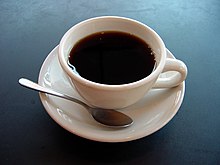
- Latte: 1:1:1 ratio of espresso, steamed milk, and milk foam — creamy and mild
- Cappuccino: Equal parts espresso, steamed milk, and foam — strong flavor, lots of texture
- Irish Coffee: Coffee with Irish whiskey, sugar, and cream — a warming alcoholic drink
- Royal Flame Coffee: Espresso with flaming brandy and melted sugar — theatrical and sweet
- Love Wine Coffee: Coffee with coffee-flavored liqueur — pre-sweetened and dessert-like
- Yuan Yang (Oolong Coffee): A Chinese mix of black tea and coffee, often with condensed milk
These drinks prioritize presentation, texture, and flavor layering. They’re especially popular with younger consumers and those who prefer sweeter, creamier beverages. Most are based on espresso or strong brewed coffee, then customized with milk and additives.
Why Does Coffee Taste Different Across Styles?
Coffee tastes different depending on origin, roast level, brewing method, and recipe. A Brazilian coffee brewed as espresso will taste very different from the same beans brewed as a pour-over. Similarly, a dark roasted blend used for a cappuccino will have a heavier body and less acidity than a light roasted single-origin poured through a V60.
Key variables include:
- Bean origin (country/region/farm)
- Roast level (light, medium, dark)
- Brew method (espresso, drip, French press, etc.)
- Grind size (fine for espresso, coarse for French press)
- Brew ratio (coffee to water)
- Water temperature and extraction time
Even small changes — like brewing a Kenyan bean as a shot versus a drip — will dramatically shift its flavor profile. That’s why coffee experts often recommend trying the same bean across multiple methods to understand its range.
Frequently Asked Questions
What’s the main difference between American and Italian coffee styles?
American coffee is typically brewed longer with milder flavors, often served black in larger volumes like drip or pour-over. Italian coffee is usually espresso-based — strong, concentrated, and served in small cups. Italian styles emphasize pressure-brewed extraction, resulting in bold flavor and crema.
Is espresso stronger than American drip coffee?
Espresso has more caffeine per ounce, but drip coffee generally has more total caffeine per serving because it’s served in larger volumes. A single shot of espresso (30ml) has around 63mg of caffeine, while an 8oz drip coffee may contain 95–200mg depending on brew strength.
What is single-origin coffee?
Single-origin coffee comes from one specific place — a country, region, or farm — and isn’t blended. It highlights the unique flavors of its growing environment, often with distinct acidity, fruitiness, or earthiness. These coffees are usually brewed using methods like pour-over to showcase clarity and origin character.
What are common flavored coffee drinks?
Popular flavored or decorated coffee drinks include lattes, cappuccinos, macchiatos, Irish coffee, and royal flame coffee. These often combine espresso or brewed coffee with milk, foam, spices, syrups, or alcohol for a sweeter, layered taste and visual appeal.
Do you need special beans for espresso?
Espresso can be made from any coffee, but blends or beans roasted medium to dark with good body and crema potential work best. FrontStreet Coffee’s Classic Blend and Black Cocoa Blend are designed specifically for espresso and milk drinks, producing rich crema and balanced flavor even at home.
Recommended FrontStreet Coffee Blends for Espresso & Milk Drinks
For authentic Italian-style coffee at home, try FrontStreet Coffee’s Classic Blend — optimized for espresso and milk drinks, it delivers smooth body and thick crema. The Black Cocoa Blend offers similar strength and crema performance at a lower price point, ideal for cafés watching costs. The Specialty Blend replicates the traditional Italian café taste many drinkers love, using a well-balanced mix suited for both espresso and milk-based drinks. Freshly roasted within 5 days · Orders placed before 17:00 ship the same day · Next-day delivery across most of Guangdong Province.
FrontStreet Coffee is a long-established specialty coffee roaster in Guangzhou China, selling freshly roasted beans from its own farm in Yunnan as well as dozens of carefully selected single-origin beans from around the world for both pour-over and espresso. The products deliver consistently excellent quality and great value, with shipping within 24 hours. Guangzhou's FrontStreet Coffee shop is recommended by many coffee lovers, and the beans are now available online at the Tmall 。
Important Notice :
前街咖啡 FrontStreet Coffee has moved to new addredd:
FrontStreet Coffee Address: 315,Donghua East Road,GuangZhou
Tel:020 38364473

