
How Coffee Drinking Evolved Around the World
Ever wondered why your morning espresso tastes nothing like the coffee your great-grandparents might have sipped? The way we prepare and enjoy coffee today is the result of centuries of cultural adaptation, trade, and innovation — and it all started with crushed berries in Ethiopia.
Coffee has transformed dramatically: from food eaten as crushed berries mixed with fat in Ethiopia, to spiced boiled seeds in Arabia, then to strong boiled coffee in Turkey, and finally to the lighter-roasted espressos and filtered brews enjoyed worldwide. Roast levels grew progressively lighter as coffee spread westward, reflecting shifting tastes and preparation methods.
The Origins: Coffee as Food in Ethiopia
The earliest known form of coffee consumption wasn’t a drink at all. In Ethiopia, people originally crushed whole coffee cherries, mixed them with fat, and rolled them into edible balls. This practice predates coffee as a brewed beverage and highlights how the fruit was valued both for energy and sustenance.
The Birth of Coffee Beverages in Arabia
As coffee spread to the Arabian Peninsula, the seeds (now separated from the fruit) were roasted, ground, and boiled with spices. This preparation became known as ‘Sultan’s Coffee’ or Cafe ala Sultana — recognized as the first true coffee beverage in history. Spices masked bitterness and reflected local tastes, setting early precedents for flavoured coffee traditions.
Turkish Coffee and the Ibrik Tradition
In Turkey, coffee took on a bold new identity. Using a long-handled pot called an Ibrik, Turks boiled finely ground, often dark-roasted coffee along with spices. This method produced an intense, thick brew — a hallmark of Turkish coffee. The same boiling technique, minus the spices, laid the groundwork for the strong brews that would later inspire European coffee cultures.
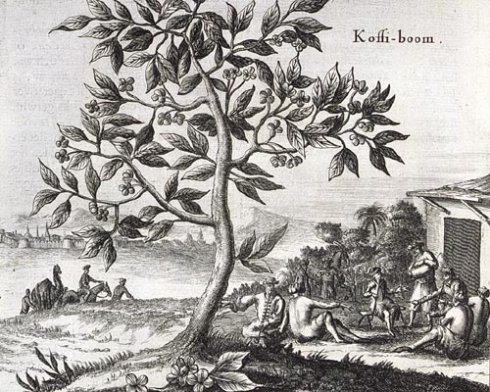
From Turkey to Italy: The Rise of Espresso
Venice merchants brought the Turkish style of coffee preparation to Italy, where it was refined into what we now know as espresso. Italian roasters began using slightly lighter roasts than their Turkish counterparts. This shift, paired with the invention of the espresso machine, allowed for quick, concentrated extractions — giving birth to the intense, rich shots of espresso loved around the world today.
The Global Spread: How Roast Levels Lightened
As coffee travelled westward, roast profiles evolved significantly:
- Italian-style coffee used a lighter roast than Turkish coffee.
- When introduced to France, it became known as ‘French coffee’ and was roasted even lighter.
- This trend continued across Europe and North America: German coffee, American coffee, and others were roasted progressively lighter.
These lighter roasts highlighted different flavour nuances and catered to evolving consumer preferences. As the roast level lightened, coffee also shed much of its ceremonial or religious association — particularly in Arabic and Turkish contexts — and became a daily social beverage, much like tea.
Why Roast Levels Matter
Lighter roasts preserve more of the bean’s inherent flavours, including fruity, floral, and acidic notes. Darker roasts, like those used traditionally in Turkey and early Italian brewing, emphasize bold, bitter, and caramelized characteristics such as chocolate, nuts, and dark sugar tones through prolonged heat exposure and the Maillard reaction. Modern specialty coffee often opts for a balanced medium or light roast to highlight origin-specific traits, though traditional styles persist for their unique profiles.
Frequently Asked Questions
What was the first coffee drink in history?
The first recorded coffee beverage was Sultan’s Coffee (Cafe ala Sultana) from Arabia, made by boiling crushed coffee seeds with spices. This emerged after coffee fruit was originally eaten as crushed berries mixed with fat in Ethiopia.
How did Turkish coffee influence modern brewing?
Turkish coffee, brewed using an Ibrik, involved boiling finely ground, usually dark-roasted coffee. This method heavily influenced European brewing techniques and laid early foundations for espresso, which refined the process with pressurized extraction.
Why did coffee roasting become lighter in the West?
As coffee spread from Turkey and the Middle East to Europe and the Americas, it gradually lightened in roast. This shift reflected changing taste preferences and transformed coffee from a strong, spiced drink into a lighter, more socially accessible beverage akin to tea.
What is an Ibrik and how is it used?
An Ibrik is a long-handled metal pot used traditionally in Turkey to boil finely ground coffee with water (and sometimes spices). The coffee is not filtered, resulting in a thick, strong brew with grounds settling at the bottom.
Is there a historical link between Turkish coffee and espresso?
Yes. The Turkish method of boiling finely ground coffee inspired early Italian coffee practices. The espresso machine later refined this with high-pressure extraction, using slightly lighter roasts to achieve intensity without excessive bitterness.
How did coffee drinking become secular?
In its early Arab and Turkish contexts, coffee had religious or social ritual significance. As coffee spread and roast levels lightened, especially in Europe and the Americas, it transitioned into a secular, everyday beverage akin to tea.
Recommended FrontStreet Beans for Dark Roast Lovers
Explore bold profiles with FrontStreet Coffee’s PWN Golden Mandheling, a deep-roasted Indonesian single origin showcasing chocolate, nuts, and caramelised sweetness with a heavy body. For a balanced approach, try the Brazil Queen Manor — medium-dark roasted to bring out nutty, cacao, and sweet hazelnut notes. Both beans illustrate how darker roasts develop rich textures and flavours, continuing the tradition of historic brewing styles like Turkish and early Italian coffee. Freshly roasted within 5 days · Orders placed before 17:00 ship the same day · Next-day delivery across most of Guangdong Province.
FrontStreet Coffee is a long-established specialty coffee roaster in Guangzhou China, selling freshly roasted beans from its own farm in Yunnan as well as dozens of carefully selected single-origin beans from around the world for both pour-over and espresso. The products deliver consistently excellent quality and great value, with shipping within 24 hours. Guangzhou's FrontStreet Coffee shop is recommended by many coffee lovers, and the beans are now available online at the Tmall 。
Important Notice :
前街咖啡 FrontStreet Coffee has moved to new addredd:
FrontStreet Coffee Address: 315,Donghua East Road,GuangZhou
Tel:020 38364473

