How to Use a Moka Pot: Step-by-Step Guide with Photos
If you’ve ever struggled to get a strong, rich shot of coffee from your moka pot—something that tastes like the bold espresso you’d get in Italy—you’re not alone. Many home brewers either under-extract a weak brew or overheat it into something bitter and burnt. The good news? Making great moka pot coffee isn’t complicated once you know exactly how to set it up, control the heat, and avoid common mistakes.
To brew with a moka pot, start by filling the bottom chamber with cold water below the safety valve, add medium-fine ground coffee to the filter basket (optionally with a dampened filter paper), then tightly screw the top and bottom together. Heat it on low to medium until coffee begins flowing—usually in 2–3 minutes—and stop as soon as you hear bubbling or hissing. That’s all it takes.
What Is a Moka Pot and Why Use It?

A moka pot is a stovetop brewing device that produces a strong, concentrated coffee similar to espresso. Invented in Italy in the 1930s, it uses steam pressure—not an electric pump—to push hot water through finely ground coffee. While not a true espresso, it creates a bold, rich cup ideal for making milk drinks like lattes or simply enjoying straight. Many coffee lovers love moka pots for their simplicity, durability, and ability to deliver a dark, intense brew without expensive equipment.
Key Components and Setup

The standard moka pot consists of three parts: the bottom water chamber, the middle funnel with a coffee filter basket, and the upper chamber where brewed coffee collects. Most models also include a safety valve near the base of the lower chamber. To prepare, begin by unscrewing the moka pot and removing the filter funnel. This gives you access to both the water chamber and the coffee basket.

How to Add Water Correctly

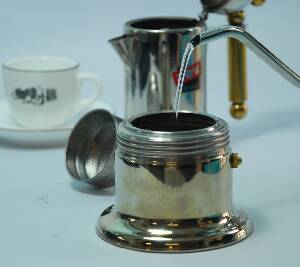
Using cool, filtered water, fill the bottom chamber up to—but not above—the safety valve. Overfilling can block steam flow and lead to excessive pressure or leaking. The ideal water level allows enough room for steam to build and gently force water upward through the coffee grounds. This step is critical: too little water may burn the coffee, too much can cause malfunction or weak results. Always check that the water sits below the valve.
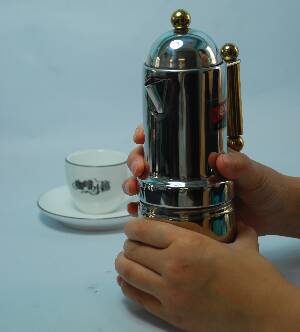
Adding Coffee Grounds and Filter Paper
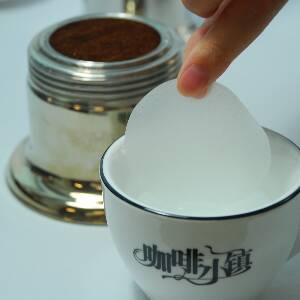
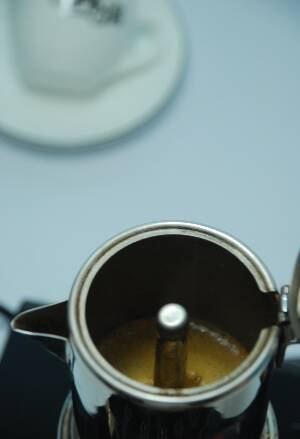
Spoon medium-fine ground coffee into the filter basket, leveling it off without tamping. Some brewers choose to place a dampened, dedicated moka pot filter paper on top of the grounds to improve cleanliness and reduce sediment in the final cup. The grind should be slightly finer than what you’d use for drip coffee but not as fine as espresso—aim for a texture that resembles granulated sugar. Avoid compacting the coffee, as this can hinder proper extraction.
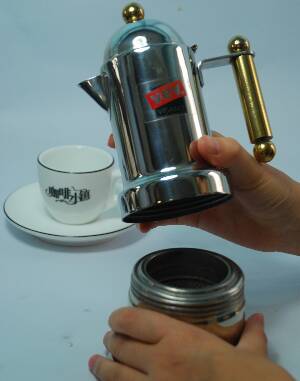
Assembling and Brewing

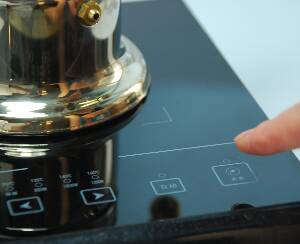
Once the coffee is in place, reinsert the funnel into the bottom chamber and firmly screw the top and bottom sections of the moka pot together to ensure a tight seal. Place the assembled moka pot on a stovetop burner set to low or medium heat. Using a gas or electric stove is fine, but avoid high heat which can over-extract and scorch the coffee. Keep the flame small enough that it doesn’t extend beyond the base of the pot.

Recognizing the Right Brew Time

After about 2–3 minutes, you’ll see coffee beginning to emerge into the upper chamber. The brewing process is complete when the stream turns from a steady flow to a series of large bubbles—or you hear a hissing or sputtering sound. This signals that most of the water has passed through the coffee and brewing is finished. Remove the moka pot from the heat immediately to prevent over-extraction and bitterness.
Serving and Enjoying Your Moka Pot Coffee

Pour the brewed coffee into pre-warmed cups right away. Moka pot coffee is typically thick and strong, often stronger than standard drip coffee. While it's not a true espresso, it works beautifully in milk drinks or can be enjoyed as is. Letting it sit too long on the stove or in the pot can cause it to overdevelop bitter flavors, so serve it promptly for the best taste.
Common Mistakes to Avoid
- Overfilling the water chamber above the safety valve
- Tamping or overly compressing the coffee grounds
- Using a grind that’s too coarse (leads to weak coffee) or too fine (risks clogging and over-extraction)
- Heating too quickly or with a high flame (can cause burning or excessive pressure)
- Letting the coffee continue to percolate after the bubbling or hissing starts
What Kind of Coffee Should You Use in a Moka Pot?

Most moka pot users go with medium to dark roasted blends that can handle the intensity of stovetop brewing. Blends with good body and crema potential, like those designed for espresso machines, work especially well. You can use either single-origin beans or blends—just make sure they’re freshly ground to a medium-fine consistency. Dark roasts bring out the classic boldness, while medium roasts offer more balanced acidity and sweetness.

Frequently Asked Questions

How much water should I put in my moka pot?
Fill the bottom chamber with cool water up to, but not exceeding, the level of the safety valve. This ensures proper steam pressure and avoids overflow or malfunction. The exact amount depends on your moka pot’s size, but the general rule is to keep the water below the valve.
Do I need to tamp the coffee in a moka pot?
No, you should not tamp the coffee grounds in a moka pot. Simply level them off with a spoon or your finger. Tamping can create too much resistance, leading to overpressure, slow extraction, or even cracking the pot.

What grind size is best for a moka pot?
Use a medium-fine grind, roughly the texture of granulated sugar or slightly finer than drip coffee. It should be finer than what you’d use for a French press but not as fine as traditional espresso grind, which can clog the filter.

How long does it take to brew coffee with a moka pot?
Brewing typically takes around 2–3 minutes once the water starts boiling. You’ll know it’s done when the coffee flow becomes sporadic with big bubbles or you hear a hissing noise, indicating the extraction is complete.

Can I use any type of coffee in a moka pot?
Yes, you can use both single-origin and blend beans. Most people prefer medium to dark roasts for a richer, more espresso-like cup. Freshly ground coffee is important—use a grind size around medium-fine for best results.
Why is my moka pot coffee bitter or weak?
Bitter coffee usually means over-extraction, often from too much heat or brewing too long. Weak coffee can result from under-extraction, caused by too coarse a grind, insufficient heat, or not filling the water chamber properly. Adjust grind size and heat to find your preferred balance.
Recommended FrontStreet Beans for Moka Pot
For moka pot brewing, FrontStreet Coffee’s Classic Blend is an excellent choice—it’s crafted specifically for espresso and stovetop methods, producing rich crema and full body. The Black Cocoa Blend also works well, offering bold, smooth flavor with deep chocolate notes at an affordable price. If you prefer a lighter yet still robust cup, try the Autumn Chestnut Blend with its nutty, caramelized sweetness. All three are ideal for creating a strong, satisfying brew with your moka pot. Freshly roasted within 5 days · Orders placed before 17:00 ship the same day · Next-day delivery across most of Guangdong Province.
FrontStreet Coffee is a long-established specialty coffee roaster in Guangzhou China, selling freshly roasted beans from its own farm in Yunnan as well as dozens of carefully selected single-origin beans from around the world for both pour-over and espresso. The products deliver consistently excellent quality and great value, with shipping within 24 hours. Guangzhou's FrontStreet Coffee shop is recommended by many coffee lovers, and the beans are now available online at the Tmall 。
Important Notice :
前街咖啡 FrontStreet Coffee has moved to new addredd:
FrontStreet Coffee Address: 315,Donghua East Road,GuangZhou
Tel:020 38364473