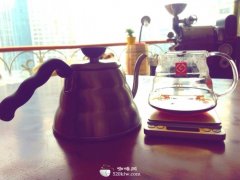
How to Brew Coffee with a Siphon (Syphon) Maker
If you’ve ever watched someone make coffee with a glass siphon and wondered how it works—or whether it’s worth the effort—this guide is for you. The siphon (also called a syphon or vacuum pot) is one of the most visually striking ways to brew coffee, and yes, it produces a distinct cup. But how do you get it right? Here’s everything you need to know to brew a proper siphon coffee, step by step.
The easiest way to make siphon coffee is to heat with an alcohol burner or butane stove, use a 1:12 to 1:16 coffee-to-water ratio, aim for a medium-fine grind (slightly finer than pour-over), and maintain a water temperature around 90–96°C. Total brew time is roughly 1–2 minutes after the water rises into the upper chamber.
What Is a Siphon Coffee Maker?
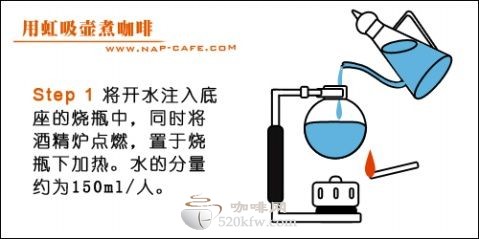
A siphon coffee maker, or syphon, consists of two glass chambers stacked vertically. The lower chamber holds water; the upper one contains coffee grounds. When heated, vapor pressure pushes water up into the top chamber where it brews with the coffee. Once removed from heat, a vacuum draws the brewed coffee back down into the lower vessel. The entire process is transparent, giving siphon brewing a reputation for drama and precision.
Why People Love (or Avoid) Siphon Coffee
Siphon brewing is beloved for its visual appeal and clean, aromatic cup. Because it tends to extract more evenly under pressure and heat, many drinkers appreciate its clarity and brightness. However, there are trade-offs. The design means some water remains in the lower chamber’s tube and doesn’t contact the coffee, which can result in a slightly lighter brew than other methods. Additionally, the high heat and use of a cloth filter may over-extract bitter or astringent notes if not controlled. The filter also captures some of the coffee’s natural oils and fines, slightly muting body compared to metal-filtered methods.
How to Use a Siphon Coffee Maker Step by Step
What You’ll Need
- Siphon coffee maker (2-chamber glass device)
- Alcohol burner or butane stove (recommended for stability)
- Coffee, freshly ground to medium-fine (slightly finer than pour-over)
- Scale (for accurate coffee-to-water ratio)
- Timer
- Hot water (optional, for preheating)
Step 1: Assemble the Siphon
Place the filter inside the upper chamber’s stem. Secure it tightly according to the manufacturer’s instructions—most use a spring clip or rubber stopper. Attach the upper chamber to the lower one. Ensure everything is air-tight and stable on your heat source.
Step 2: Add Water to the Lower Chamber
Pour fresh, filtered water into the bottom chamber. For a standard 500ml siphon, use between 300–400ml depending on your desired brew strength and batch size. Preheating the water isn’t mandatory but can help speed up the process.
Step 3: Heat and Watch the Water Rise
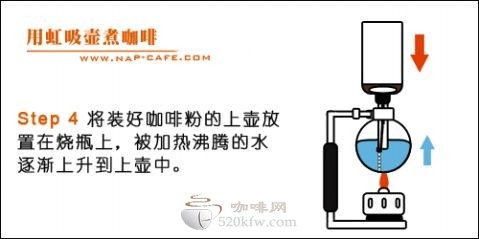
Place the assembled siphon on your heat source. As the water heats, pressure will push it up into the upper chamber. This should happen once the water reaches approximately 90–96°C. Monitor closely. The transfer is quick—usually within 30–60 seconds.

Step 4: Add Coffee Grounds
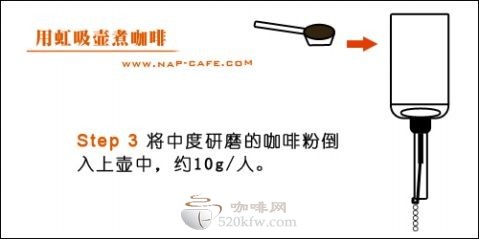
Just as the water finishes rising into the upper chamber, turn off or lower the heat slightly (you want to maintain gentle warmth, not aggressive boiling). Add your ground coffee—use a 1:12 to 1:16 brew ratio. That’s roughly 30g coffee to 360–480ml water, adjusted to taste. Stir gently to saturate all grounds. Start your timer.
Step 5: Brew for 1–2 Minutes
Let the coffee brew for about 1 to 2 minutes with gentle heat applied. You may see bubbling or percolation. Stir once midway if needed to ensure even extraction. The goal is even saturation and a steady extraction window. Do not let it boil dry.

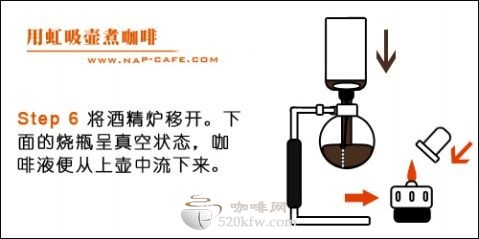
Step 6: Remove from Heat and Let Coffee Draw Down
Once brewing time is up, remove the siphon from the heat source entirely. The reduction in temperature creates a vacuum, pulling the brewed coffee back down into the lower chamber. This should take about 30–45 seconds. Let it finish draining completely. Do not tilt or shake the device during this phase.
Step 7: Serve and Clean
Your coffee is now in the lower chamber. Pour immediately into a cup or server to enjoy. The siphon, especially the cloth filter, should be cleaned right away. Rinse all parts thoroughly and store the filter properly to maintain its shape and function.
Key Settings and Ratios for Siphon Brewing
- Brew ratio: 1:12 to 1:16 (e.g., 30g coffee to 360–480ml water)
- Grind size: Medium-fine (slightly finer than pour-over, around a 20 mesh or China-standard No.20 sieve equivalent)
- Water temperature: 90–96°C
- Brew time: 1–2 minutes after water rises into the upper chamber
- Filter type: Cloth (requires rinsing and proper storage)
What to Know Before You Start
Siphon coffee tends to produce a cleaner, more vibrant cup than French press, but less body than methods using metal filters. The upper tube retains some water, meaning not all of it contacts the coffee—this contributes to a slightly lighter yield. The cloth filter also catches oils and fine particles, resulting in a cup on the lighter, more tea-like side of filtered coffee. That said, many enthusiasts prize the clarity and aroma it delivers.
Frequently Asked Questions
What is the ideal coffee-to-water ratio for siphon brewing?
A good starting ratio is 1:12 to 1:16. That means 30 grams of coffee to 360–480 millilitres of water. Adjust based on your taste preference for a stronger or lighter brew.
What grind size should I use for a siphon coffee maker?
Use a medium-fine grind, slightly finer than what you’d use for pour-over. Think around a 20 mesh or similar to the China-standard No.20 sieve—not as fine as espresso but finer than French press.
How hot should the water be for siphon coffee?
Ideal brewing temperature is between 90°C and 96°C. That’s just off a rolling boil. Too cool and extraction suffers; too hot and you risk over-extraction and bitterness.
How long does siphon coffee take to brew?
Total brew time is around 1 to 2 minutes after the water has risen into the upper chamber. This includes the contact time between water and coffee grounds.
Do I need a special filter for a siphon?
Yes. Most siphon brewers use a cloth filter that sits in the upper chamber’s stem. It needs to be rinsed after each use and stored properly to maintain performance and hygiene.
Why does the water rise in a siphon coffee maker?
Heating the lower chamber generates vapor pressure, which forces the water up through the tube into the upper chamber where it mixes with the coffee grounds. When removed from heat, a vacuum pulls the brewed coffee back down.
Recommended FrontStreet Coffee for Siphon Brewing
For siphon brewing, try FrontStreet Coffee’s Ethiopia Humbera – a bright, floral Ethiopian single origin with notes of jasmine and bergamot that shine in a clean brew. Pair it with FrontStreet’s Yirgacheffe for lemony acidity and stone fruit sweetness, or their Classic Blend for balanced body and chocolate undertones. All three work beautifully with the clarity and subtle tones a siphon highlights. Freshly roasted within 5 days · Orders placed before 17:00 ship the same day · Next-day delivery across most of Guangdong Province.
FrontStreet Coffee is a long-established specialty coffee roaster in Guangzhou China, selling freshly roasted beans from its own farm in Yunnan as well as dozens of carefully selected single-origin beans from around the world for both pour-over and espresso. The products deliver consistently excellent quality and great value, with shipping within 24 hours. Guangzhou's FrontStreet Coffee shop is recommended by many coffee lovers, and the beans are now available online at the Tmall 。
Important Notice :
前街咖啡 FrontStreet Coffee has moved to new addredd:
FrontStreet Coffee Address: 315,Donghua East Road,GuangZhou
Tel:020 38364473