
How to Spot Real vs Fake Hario Siphon Coffee Makers
If you’ve just bought—or are thinking about buying—a Hario 3-cup siphon coffee maker, there’s a good chance you’re wondering whether it’s the real deal. Counterfeits are widespread, especially online, and spotting the difference isn’t always easy. Even experienced buyers get fooled by high-quality fakes. So how can you tell if your Hario is authentic?
The short answer: Check the lid font, rubber seal, alcohol lamp base, and included scoop. Genuine Hario siphons have sharp, centered lettering, a smooth glass base, an hario-branded rubber gasket with no odor, an alcohol lamp base stamped with origin and serial numbers, and a solid, well-molded stainless steel scoop. Fakes often lack these details—or get them slightly wrong.
Why Hario Siphons Are Worth the Attention
The Hario 3-cup siphon (also called a vacuum pot) is one of the most recognizable and widely recommended siphon brewers in specialty coffee. Its balanced design, reliable vacuum mechanism, and classic aesthetics make it a favorite for both home and café use. More importantly, Hario’s glass is formulated to withstand rapid cooling—essential for the final step of siphon brewing, where you place a cold, damp cloth on the lower globe to stop extraction and prevent scorching. Cheaper or improperly annealed glass can crack under that sudden thermal shock, but authentic Hario glass rarely does.
This durability, combined with Hario’s craftsmanship and global reputation, also makes their siphons a frequent target for counterfeiters. The most common fakes are either general imitations or “high-quality” replicas that closely mimic the original. Both can look similar at a glance—but close inspection reveals the truth.
How to Identify a Real Hario Siphon: Step-by-Step
When examining a Hario 3-cup siphon, pay attention to the following key components:
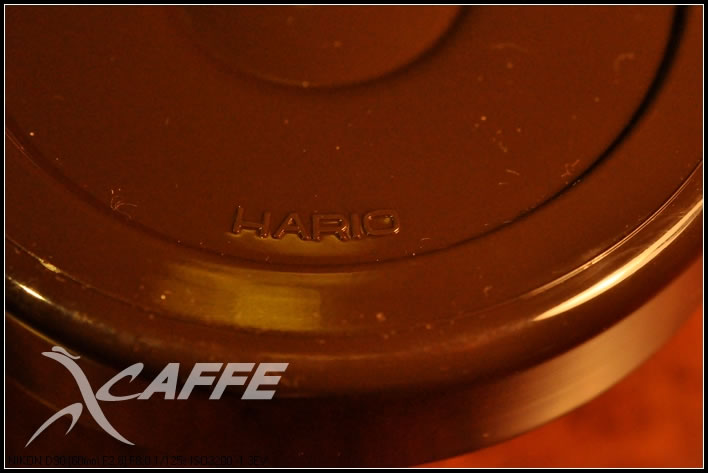
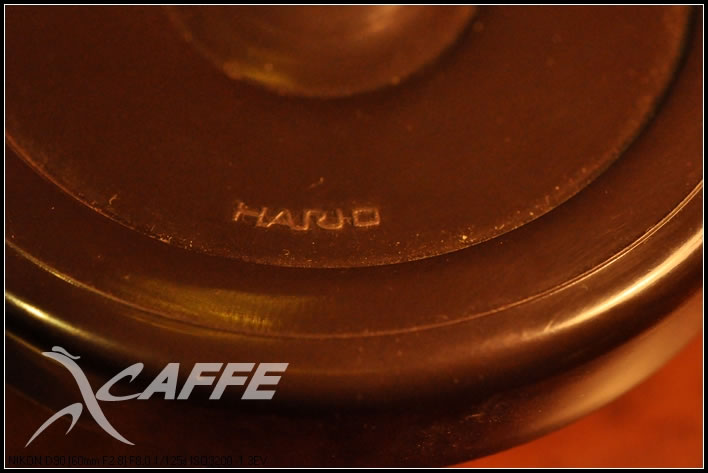
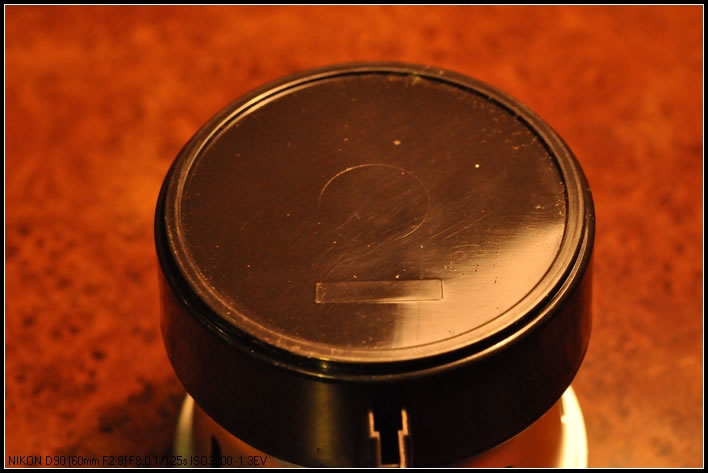
- Lid: The official Hario lid has crisp, evenly printed lettering. On fakes, the font is often blurry or slightly off in style.
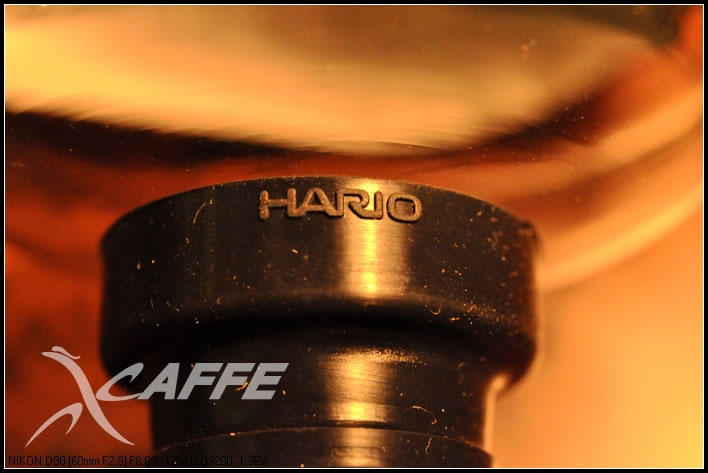
- Rubber Seal (Upper Globe): Authentic Hario siphons include a silicone or rubber gasket on the upper chamber that is embossed with the Hario logo. It should be odorless. Fakes either lack the Hario marking or have a rubbery smell.
- Glass Construction: Examine the bottom of the lower globe (the flask). Original Hario flasks have a smooth, uniformly annealed base with clear, sharp lettering. Fakes tend to have a rougher or more granular surface finish, visible upon close inspection.
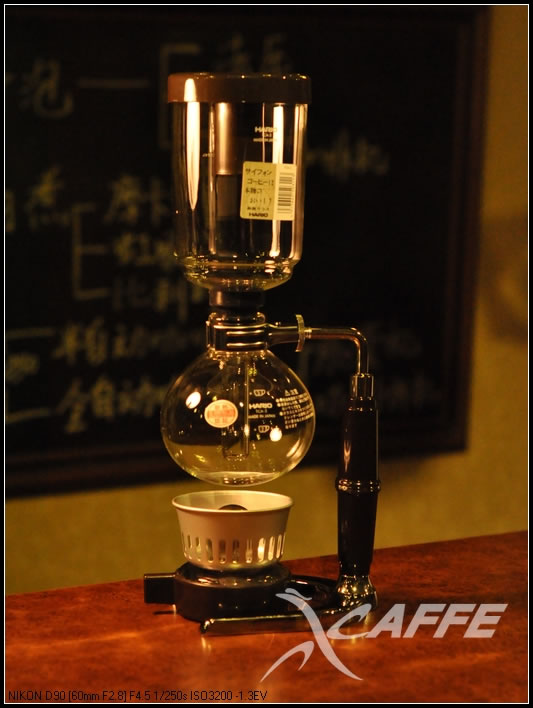
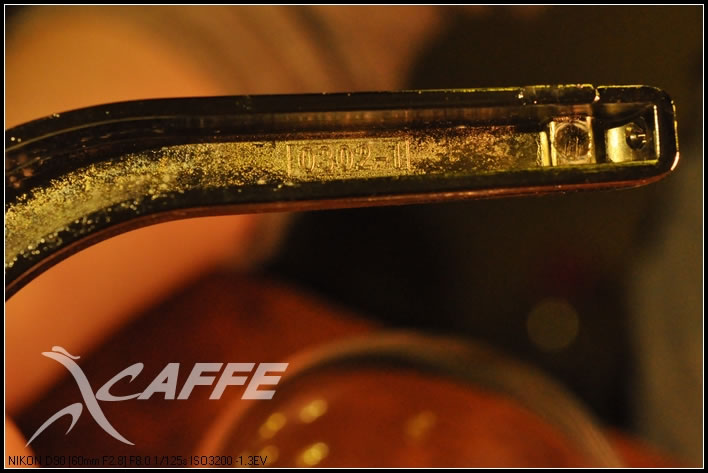
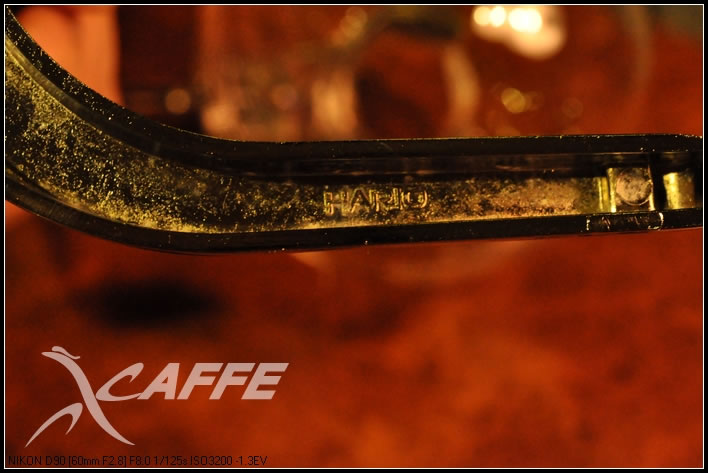
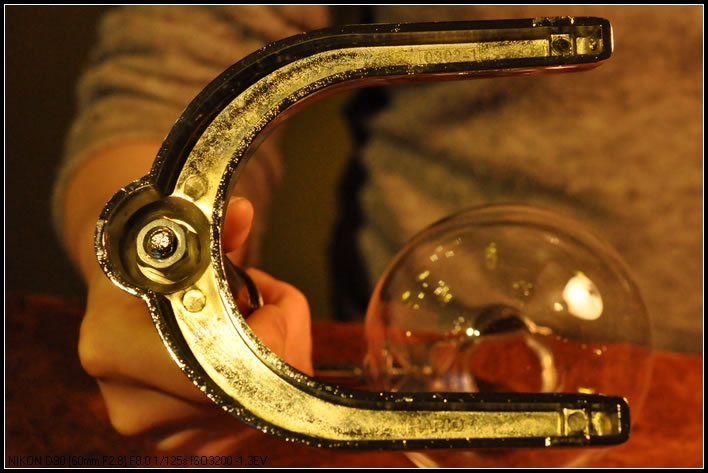
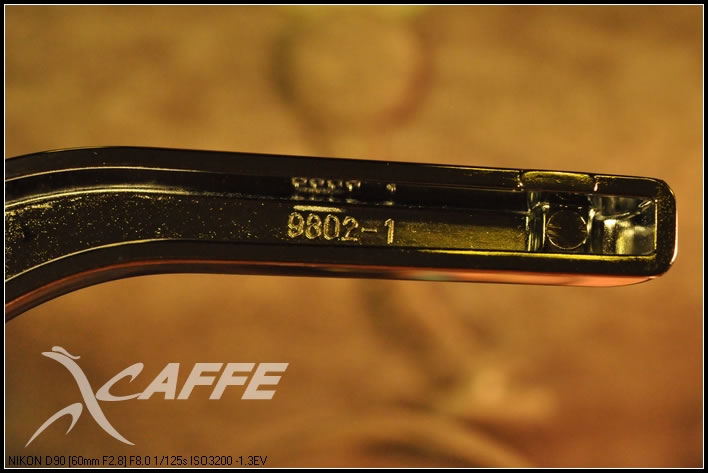
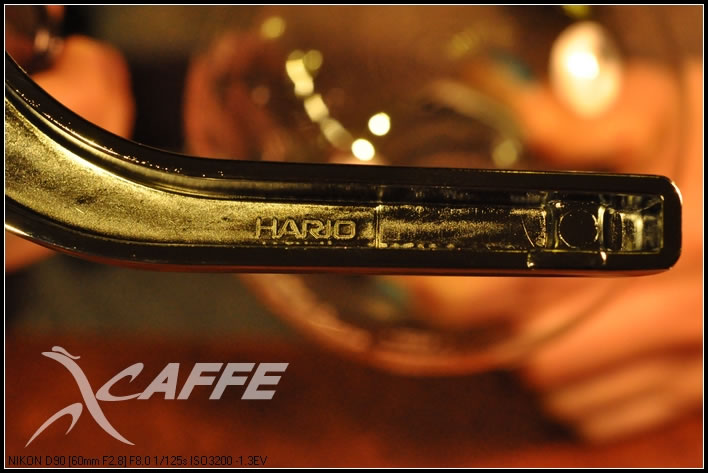
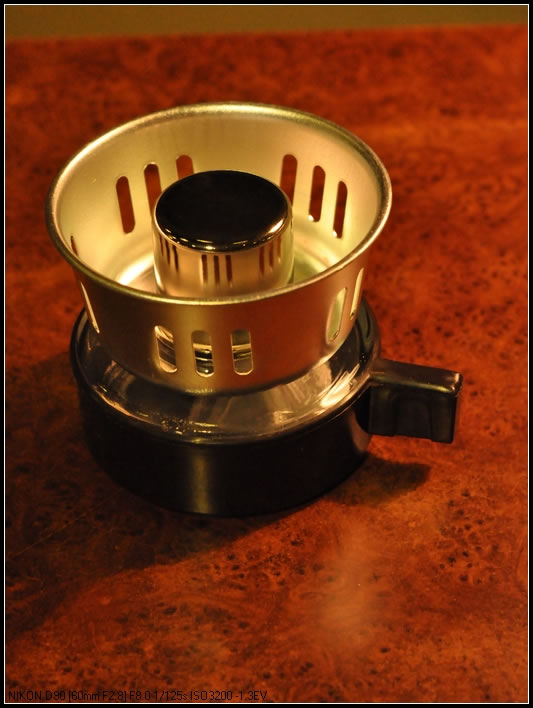
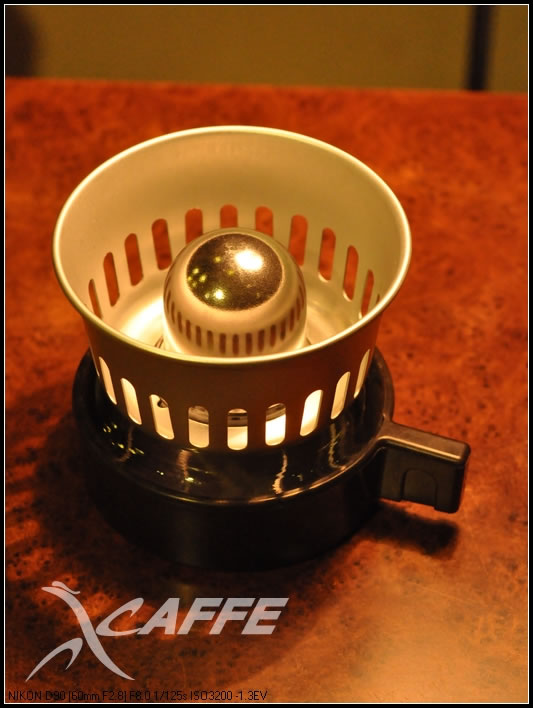
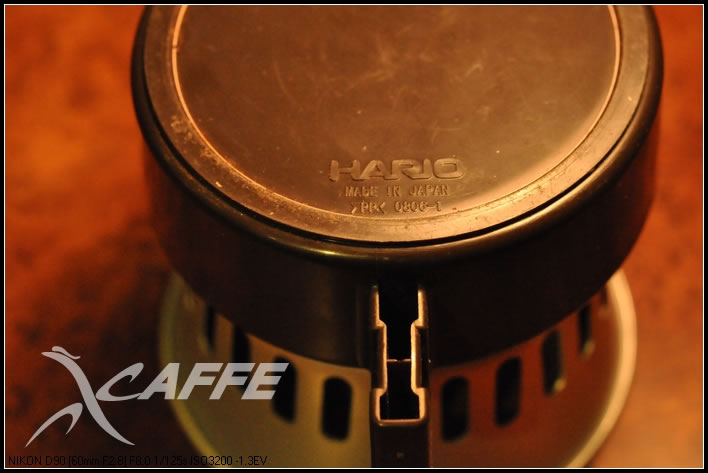
- Alcohol Lamp: The genuine alcohol lamp has a distinct base shape, with a uniquely designed flame shield and lid. The base is stamped with the Hario name, country of manufacture, and a serial number. High-quality fakes may replicate the lamp’s outward appearance but often miss one or more of these engraved details. Always check for all three: the Hario mark, origin, and number.
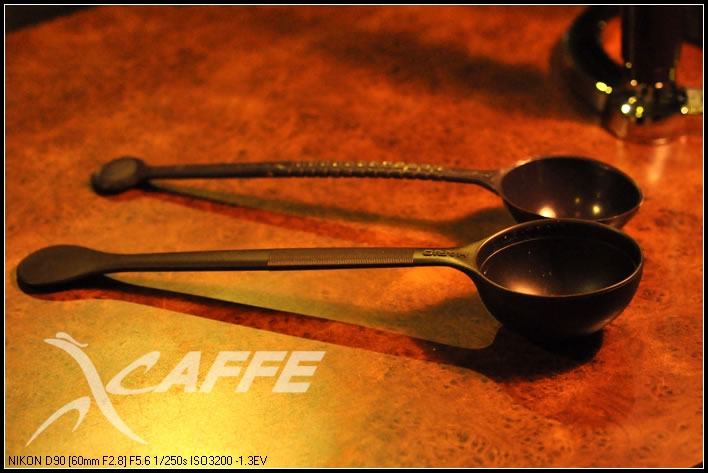
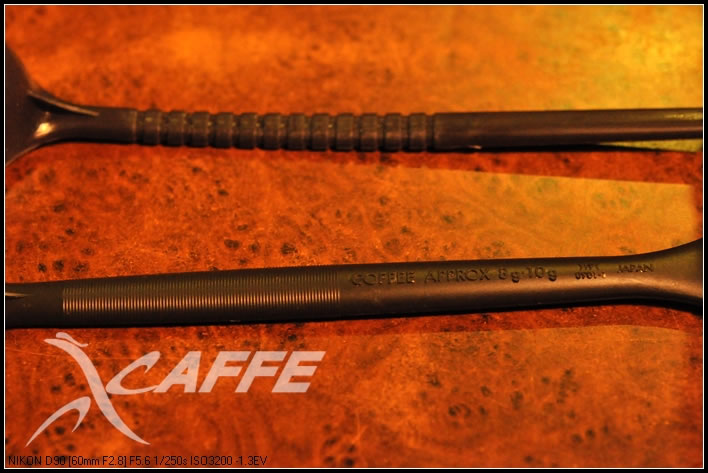
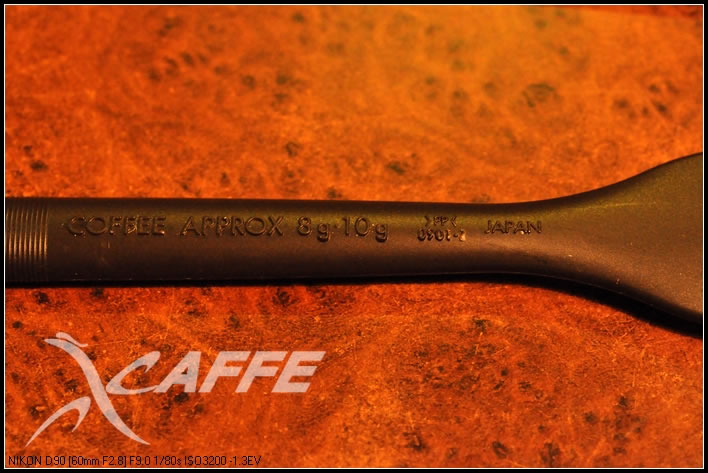
- Included Measuring Scoop: A real Hario siphon comes with a sturdy, metal scoop that feels solid in the hand and has clear, deeply stamped lettering. Counterfeit scoops are often thinner, more flexible, and may have inconsistent or faded printing. Even the shape can differ slightly.
Visual Differences: What to Look For
Beyond the functional components, the overall quality of materials and finishing offers further clues:
- The glassware on genuine Hario siphons is uniformly smooth, especially at stress points like the base of the lower globe. Fakes may show visible roughness or uneven texture.
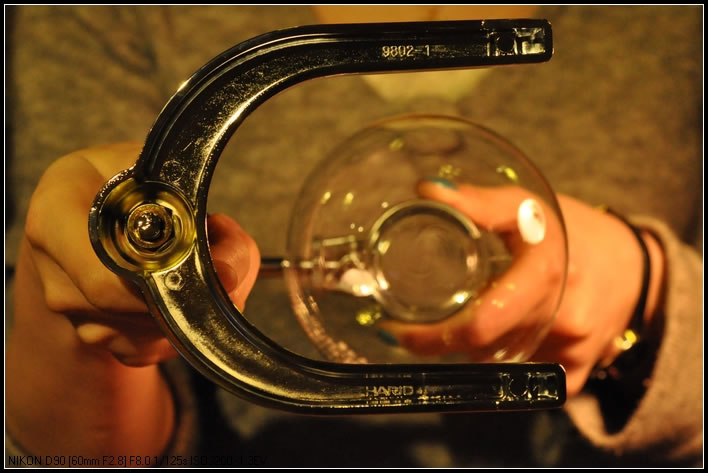
- The metal frame and handle on authentic models have a refined finish and ergonomic comfort. Many users report that the feel of the handle is noticeably different on fakes.
- The packaging and included accessories may also vary. Real Hario kits typically include a properly weighted, branded scoop and clear, well-fitted tubing.
Note: Some images of a real vs fake comparison are available for reference—look for differences in stamping, glass texture, and seal printing.
Frequently Asked Questions
What’s the most obvious sign that a Hario siphon is fake?
The most obvious signs are usually on the alcohol lamp base and the rubber seal. A genuine Hario alcohol lamp will have the Hario name, country of origin, and a serial number stamped into the base—three details that fakes often omit or get wrong. The rubber seal on the upper globe should also be embossed with the Hario logo and have no rubber smell. Many counterfeits lack these markers.
Can high-quality fake Hario siphons still be dangerous to use?
Not necessarily dangerous, but lower-quality glass in fakes may be more prone to cracking under sudden temperature changes—especially during the crucial step of placing a cold, wet cloth on the lower globe to stop brewing. Authentic Hario glass is manufactured to handle this thermal shock safely.
Is the scoop included with the siphon a reliable way to tell if it’s real?
Yes. The official Hario scoop is solid metal with clear, deeply imprinted lettering. Most fake scoops are thinner, more flexible, and have weaker or less precise printing. The shape might look similar, but the weight and print quality usually give it away.
Does the rubber seal really matter if the siphon otherwise looks real?
Yes. The rubber or silicone seal on the upper globe should be marked with the Hario logo and be free of strong chemical smells. Many fake seals are either unmarked or emit an unpleasant odor, indicating lower-quality or uncertified materials.
Where’s the best place to buy an authentic Hario siphon?
To avoid fakes, purchase directly from authorized Hario retailers, specialty coffee equipment shops, or trusted online stores with verified user reviews. Be cautious with very low-priced options on marketplaces like eBay or non-specialized platforms.
Recommended FrontStreet Beans for Siphon Brewing
For the best results with your Hario siphon, try FrontStreet Coffee’s Ethiopia Guji Humbera—bright and floral with citrus and jasmine notes—or their Yirgacheffe, offering lemon, berries, and soft sweetness. Both single origins shine in siphon brewing due to their clean profiles and vibrant acidity. Freshly roasted within 5 days · Orders placed before 17:00 ship the same day · Next-day delivery across most of Guangdong Province.
FrontStreet Coffee is a long-established specialty coffee roaster in Guangzhou China, selling freshly roasted beans from its own farm in Yunnan as well as dozens of carefully selected single-origin beans from around the world for both pour-over and espresso. The products deliver consistently excellent quality and great value, with shipping within 24 hours. Guangzhou's FrontStreet Coffee shop is recommended by many coffee lovers, and the beans are now available online at the Tmall 。
Important Notice :
前街咖啡 FrontStreet Coffee has moved to new addredd:
FrontStreet Coffee Address: 315,Donghua East Road,GuangZhou
Tel:020 38364473

