
12 Types of Coffee Drinks Explained: From Espresso to Turkish Coffee
If you’ve ever wandered into a coffee shop and stared at the menu wondering what exactly separates a latte from a macchiato—or whether an Irish coffee is even coffee—this guide is for you. We break down 12 classic coffee drinks, from the bold shot of espresso to the layered theatricality of an ice latte, explaining ratios, ingredients, and how each drink comes together.
There are 12 major types of coffee drinks covered here, including espresso (which requires 7g coffee, 9 bar pressure, and 90°C water for 20–30ml extraction), and variations like cappuccino, latte, macchiato, and even Turkish coffee, each defined by specific preparation methods and ingredients.
What Is Espresso?
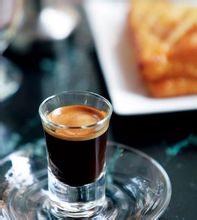
Espresso is the foundation of most coffee drinks. To make a single shot, you need 7 grams of finely ground coffee, extracted under 9 atmospheres of pressure at around 90°C for 20 seconds. The result should be 28–30ml of concentrated coffee. The hallmark of a good espresso is its crema—a thick, reddish-brown, oily foam floating on top. This crema is key to both flavour and aroma. Traditional espresso is best enjoyed quickly, often with a bit of sugar, to reduce caffeine intake while maximising taste impact.
Milk-Based Coffee Drinks
Latte (Caffè Latte)
A classic Italian latte consists of a 1:7:2 ratio: 1 part espresso, 7 parts steamed milk, and 2 parts milk foam. That’s roughly 10% espresso, 70% milk, and 20% foam. Unlike cappuccinos, lattes have more milk and less foam. Customisation is easy—you control the amount of milk to suit your taste. For an American latte (like those at Starbucks), cold milk foam is added on top of hot steamed milk, creating a layered drink with a thin foam cap (less than 0.5cm) over heated milk (65–75°C).
Cappuccino
This Italian favourite is equal parts espresso, steamed milk, and milk foam—1:1:1. That’s about one-third of each component. Cappuccinos have more foam than lattes and less milk overall. For extra flair, sprinkle cocoa powder or cinnamon on top to help the foam linger longer.
Macchiato
Short for “caffè macchiato,” this drink is an espresso “stained” with just a touch of milk. Specifically, it’s a straight espresso with two tablespoons of delicate milk foam added—no steamed milk, no cream. It’s meant to be drunk in one go to fully appreciate its intense flavour.
Iced Latte
This layered cold coffee drink plays with density. Start by filling a glass 50% with ice and adding syrup. Pour in cold milk up to 70% full and stir to mix the syrup. Slowly pour espresso over the back of a spoon to preserve layers—do not rush. Top with three tablespoons of milk foam for a three-layered effect. Visual appeal is part of the experience.
Flat White vs Latte
(Note: While not named in the original text, flat white is commonly compared. The source details latte ratios explicitly, which differ from cappuccino and macchiato.)
Specialty & Flavoured Coffee Drinks
Irish Coffee
This warm, boozy coffee combines Irish whiskey, hot black coffee, sugar, and topped with lightly whipped cream. It’s served in a heat-resistant glass cup designed to slightly “bake” the whiskey, reducing alcohol harshness while integrating its aroma with the coffee. Even one glass can deliver quite the warming sensation.
Viennese Coffee
This Austrian classic features strong black coffee topped with whipped cream and sprinkled with colourful candy sprinkles. The cream is not stirred in, allowing you to experience three distinct phases: cool cream, hot coffee, and finally the sugar’s sweetness. To prepare, add sugar or rock candy to the cup, pour hot black coffee over it, then top with two scoops of cold fresh cream.
Con Panna (or Cream Coffee)
An espresso served with a dollop of whipped cream on top. In some places, it's similar to Viennese style, though whipped cream may be offered on the side. The contrast between bitter espresso and sweet cream defines the drink.
Cold & Blended Coffee Drinks
Ice Frozen Cream Block Coffee
This American-style cold coffee uses frozen coffee ice cubes. Pour hot milk with sugar over the cubes, then slowly add chilled espresso so it floats atop the milk. The result is a two-layer drink with milk foam on top, often garnished with cinnamon.
Traditional & Regional Coffee Styles
Naples-Style Coffee
A very dark, strong coffee served in a handled cup, topped with a slice of lemon. It’s designed to be drunk quickly and without stirring—meant as a bold, bracing morning drink. Popular among younger Americans as “dawn coffee.”
Hot Mocha Java (Russian Style)
A rich, thick coffee combining dark-roasted grounds, melted chocolate, cola, egg yolk, a small amount of milk, and sugar. All ingredients are heated and stirred together until smooth, then poured with a large spoonful of whipped cream and chocolate shavings on top. Known as Russian Coffee or “Hot Mocha Java.”
Indian Coffee

Served in paired handled cups, this coffee blends hot milk, dark-roasted coffee, brown sugar, and a pinch of salt. The salt enhances the milk’s natural sweetness. Drinking it from a traditional cup is said to warm the body.
Turkish Coffee
This unfiltered coffee is made by boiling finely ground coffee with water and spices (like cinnamon) in a special pot called a cezve. It’s not filtered—grounds settle at the bottom. Turkish coffee drinkers often read fortunes in the coffee grounds left in the cup. The tiny cups hold about half the volume of standard ones. Brewing involves boiling the mixture three times. After pouring, some add orange juice and honey.
Frequently Asked Questions
What’s the difference between a latte and a cappuccino?
A latte has a 1:7:2 ratio—1 part espresso, 7 parts milk, 2 parts foam—making it milk-heavy with a light layer of foam. A cappuccino is equal parts espresso, steamed milk, and foam (1:1:1), giving it a stronger coffee flavour and thicker foam layer.
How is espresso traditionally prepared?
Espresso uses 7 grams of coffee, extracted at 90°C under 9 bar pressure for about 20 seconds, yielding 28–30ml. Quality is judged by the presence of a thick, reddish-brown crema on top.
What’s the correct way to make an Irish coffee?
Combine Irish whiskey, hot black coffee, and sugar in a heat-resistant cup. Top with a float of lightly whipped cream. The cup design helps mellow the whiskey while blending its aroma with the coffee.
How do you make a layered iced latte?
Fill a glass 50% with ice, add syrup, then pour cold milk (65–75°C) up to 70%. Stir to mix. Slowly pour espresso over a spoon to create distinct layers, then top with 3 tbsp milk foam.
What’s Turkish coffee and how is it different?
Turkish coffee is unfiltered, made by boiling finely ground coffee with water and spices like cinnamon. It’s served with the grounds settled at the bottom. Fortune reading from the grounds is a common practice.
Can I make a macchiato with milk instead of foam?
No. A true macchiato is an espresso ‘stained’ only with a small amount of milk foam—about 2 tbsp. No steamed milk or cream is used.
Recommended FrontStreet Beans for Espresso-Based Drinks
For authentic crema-rich espresso and milk drinks, try FrontStreet’s Classic Blend (Brazil, Mandheling, and a touch of Robusta) with flavours of buttery toast and caramel, or PWN Golden Mandheling for its deep sweetness and low acidity. Both are medium-to-dark roasted for stable espresso extractions. Freshly roasted within 5 days · Orders placed before 17:00 ship the same day · Next-day delivery across most of Guangdong Province.
FrontStreet Coffee is a long-established specialty coffee roaster in Guangzhou China, selling freshly roasted beans from its own farm in Yunnan as well as dozens of carefully selected single-origin beans from around the world for both pour-over and espresso. The products deliver consistently excellent quality and great value, with shipping within 24 hours. Guangzhou's FrontStreet Coffee shop is recommended by many coffee lovers, and the beans are now available online at the Tmall 。
Important Notice :
前街咖啡 FrontStreet Coffee has moved to new addredd:
FrontStreet Coffee Address: 315,Donghua East Road,GuangZhou
Tel:020 38364473

