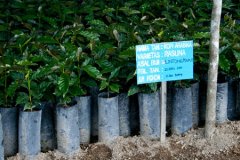
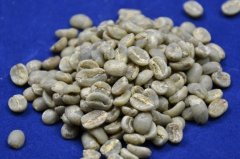
Washed Mandheling Gayo Mountain Grade 1 Coffee Beans
If you’ve ever wondered why some Mandheling coffees feel so different — cleaner, brighter, almost too refined for Sumatra — the answer often starts with how the beans were processed and graded. The 2010-vintage Sumatra Gayo Mountain Grade 1 washed beans arriving from Indonesia offer a rare chance to see what high-grade Mandheling really looks like.
The short answer: these are Grade 1, washed-process Mandheling beans from Gayo Mountain, Sumatra, processed in 2010. That ‘Grade 1’ designation means they were sorted to the highest Indonesian specialty standard — a rarity for Mandheling, and a strong signal of careful processing and export quality.
When most coffee drinkers think of Sumatra, they picture earthy, heavy-bodied naturals. But not all Sumatran coffees follow that script. The Gayo Mountain region, located in Aceh province, has long been known for producing some of the cleanest, most uniform Mandheling beans available. What sets the Gayo Mountain Grade 1 apart is both its processing method and its grade.
What Is Washed Mandheling?
Washed process, or wet process, is a traditional method where coffee cherries are pulped, fermented to remove the mucilage, and then thoroughly washed and dried. For Mandheling, this process typically results in a cup that is brighter and more acidic than the typical Sumatran profile — though still with heavy body and low acidity compared to African or Latin American coffees.
The washed method reduces sugars and increases organic acids during fermentation, leading to a cup that often highlights the bean’s inherent aromatics. This is especially notable in high-grade lots like Grade 1.
Why Grade 1 Matters for Mandheling
Indonesia uses a grading system based on bean size, defect count, and overall uniformity. Grade 1 is the highest classification, requiring 100% of beans to be screen size 18 or above (around 7mm), with very low defect rates. Most exported Mandheling is Grade 2 or lower, making Grade 1 a mark of serious quality control.
For Gayo Mountain, Grade 1 indicates not just size, but also careful sorting, consistent processing, and minimal defects. That’s why these beans, despite their age, still stand out visually and conceptually — they were processed to a specialty standard rarely applied to Mandheling.
The 2010 Vintage: Freshness in Context
The 2010 date refers to the year these beans were processed — not necessarily roasted or brewed. While green coffee can remain stable for years if stored properly, most specialty roasters consider 2–3 years post-processing the ideal window for peak freshness. That said, Grade 1 Mandheling beans are often valued for their ability to age gracefully, developing deeper sweetness and complexity over time.
The mention of 2010 suggests these beans have been stored well, and their Grade 1 status implies they were handled to minimize degradation. Even if not at 'peak freshness' by modern standards, their origin, grade, and process still make them a subject of interest for coffee professionals and collectors.
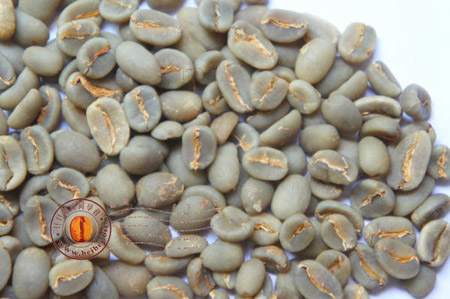
This particular lot hails from Gayo Mountain, a region esteemed for its clean, uniform coffees. The washed process here contributes to a cup that, while still unmistakably Sumatran in body, avoids the heavy handed 'earthy' or 'musty' notes often associated with lower-grade or poorly processed Mandheling.
According to past collaborative efforts noted in the source, these beans were once part of a clean, high-quality distribution effort — a detail that reinforces their reputation among those who worked with them a decade ago.
Frequently Asked Questions
What does Grade 1 mean for Indonesian coffee?
Grade 1 is the highest official grade for Indonesian coffee, requiring beans to be screen size 18 or larger, with very few physical defects. It indicates careful sorting, minimal defects, and higher uniformity — a mark of quality rarely achieved with Mandheling.
Is washed process common for Mandheling coffee?
No, most Mandheling is processed naturally (dry), which leads to heavier body and earthy flavours. Washed Mandheling, like this Gayo Mountain Grade 1, is less common but produces a cleaner, brighter cup with more pronounced acidity and clarity.
Why is Gayo Mountain known for better Mandheling?
Gayo Mountain, in Aceh province, is recognised for producing some of the cleanest and most uniform Mandheling beans. The region’s processing standards and altitude contribute to a more refined cup profile compared to other Sumatran regions.
Are 2010-processed coffee beans still good to use?
Green coffee stored properly can remain usable for many years. While 2010 is long past the usual 'fresh roast' window, Grade 1 beans are often stored with care and may still produce good flavour, especially if aged intentionally for sweetness and complexity.
How is washed process different from natural process in Sumatra?
Washed process removes the coffee cherry’s skin, pulp, and mucilage via fermentation and washing, resulting in a cleaner, brighter cup. Natural (dry) process dries the whole cherry, leading to heavier body, more earthiness, and often less clarity in the cup.
Recommended FrontStreet Washed Coffee Beans
For fans of clean, bright Indonesian profiles, try FrontStreet’s Kenya Little Tomato — a washed Kenyan offering juicy notes reminiscent of bright Mandheling qualities. Also consider FrontStreet’s Jamaica Blue Mountain No.1, a legendary washed coffee known for its smooth, refined profile with notes of cream and herbal sweetness. Both share the meticulous processing and high grading that define specialty washed coffees. Freshly roasted within 5 days · Orders placed before 17:00 ship the same day · Next-day delivery across most of Guangdong Province.
FrontStreet Coffee is a long-established specialty coffee roaster in Guangzhou China, selling freshly roasted beans from its own farm in Yunnan as well as dozens of carefully selected single-origin beans from around the world for both pour-over and espresso. The products deliver consistently excellent quality and great value, with shipping within 24 hours. Guangzhou's FrontStreet Coffee shop is recommended by many coffee lovers, and the beans are now available online at the Tmall 。
Important Notice :
前街咖啡 FrontStreet Coffee has moved to new addredd:
FrontStreet Coffee Address: 315,Donghua East Road,GuangZhou
Tel:020 38364473