What Is Mandheling Coffee? Indonesia’s Bold Single Origin
If you’ve ever sipped a cup of Indonesian coffee and been hit with deep spice, heavy body, and almost no acidity, chances are you were drinking Mandheling. But what makes this coffee so distinctive? And why do so many specialty drinkers—especially in Asia—consider it a benchmark for bold, structured single origins?
Mandheling is a classic Indonesian single origin from Sumatra, known for its full body, syrupy mouthfeel, low acidity, and earthy-spicy profile. It’s almost always processed using the wet hull (or ‘giling basah’) method, which contributes to its unique texture and aroma. Most Mandheling comes from either the Lintong or Aceh regions, with notable differences in brightness and fermentation character.
Where Mandheling Coffee Comes From
Mandheling coffee is grown on the island of Sumatra in Indonesia, primarily in two regions: Lintong (near Lake Toba in North Sumatra) and Aceh (especially around Lake Tawar in the Gayo Highlands). Though often generically called “Mandheling,” the name isn’t tied to an ethnic group or specific farm—it originated as a trade term used by Dutch colonists. Today, it broadly refers to high-quality Arabica grown in northern Sumatra.
The Arabica varieties grown there aren’t traceable to single cultivars, but they’re typically planted at elevations between 1,100–1,600 metres. The region’s volcanic soils, frequent cloud cover, and high humidity create ideal conditions for slow maturation and complex flavour development. However, Sumatra’s frequent rain during harvest makes sun drying nearly impossible—leading to the adoption of the signature wet hull processing method.
Why Mandheling Tastes So Different
Mandheling is instantly recognisable to specialty coffee drinkers: it has an ultra-heavy body, a syrupy mouthfeel akin to molasses, and very low acidity. Flavour notes often include dark chocolate, tobacco, clove, cedar, and pipe tobacco, with hints of herbs or fermented fruit depending on processing quality. What really sets it apart is the wet hull (giling basah) process.
Here’s how it works: after harvest, coffee cherries are depulped and briefly fermented. Instead of drying the parchment coffee slowly to 11–12% moisture like in washed or natural processes, farmers remove the outer skin (parchment) when the beans are still at around 30–40% moisture. They then dry the beans uncovered until they reach roughly 14–15%. This partial drying, combined with frequent handling and Sumatra’s humid climate, creates intense friction, pressure, and unique microbial activity. The result? A cup that’s wildly different from African or Latin American coffees.
This method also explains the classic “earthy” or “woodsy” notes some people taste in Mandheling. Far from being defective, these are considered desirable traits in the local and specialty markets—especially when the processing is clean and consistent.
The Rise of PWN Golden Mandheling
Among the many Mandheling coffees on the market, one stands above the rest for quality control and consistency: PWN Golden Mandheling. Produced by Indonesia’s PWN (a state-owned plantation company), Golden Mandheling is made exclusively from Grade 1 beans that meet extremely strict criteria. Only beans sized 18 mesh or larger are selected, and every 300-gram sample must contain fewer than three defects.
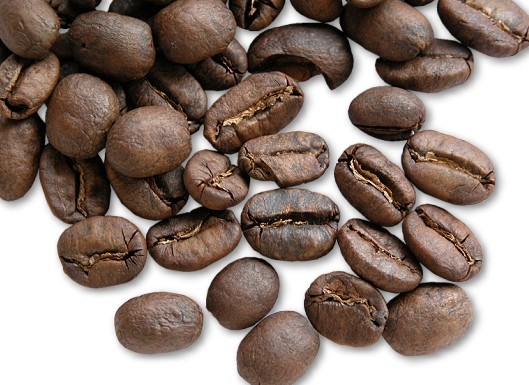
What really sets Golden Mandheling apart is the triple hand-sorting process. Every bean is visually inspected multiple times to remove any remaining flaws, resulting in an unusually clean cup for Sumatra—with pronounced sweetness, a silky mouthfeel, and a more refined spice profile. The flavours lean into dark caramel, cinnamon, dried fruits, and subtle wood tones, with a long, structured finish. It’s widely considered the finest commercially available Mandheling and is highly sought after in Japan and the United States, though supply to China remains limited.
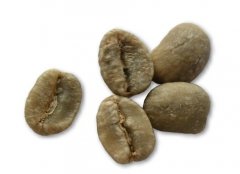
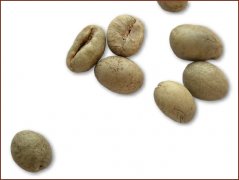
FrontStreet Coffee offers its own version of classic Lintong-style Mandheling, processed with the traditional wet hull method. It delivers the classic heavy body, low acidity, and deep spice notes—think clove, wood, and sweet tobacco—along with a robust, syrupy mouthfeel. Ideal for those who want to experience the true Mandheling profile.
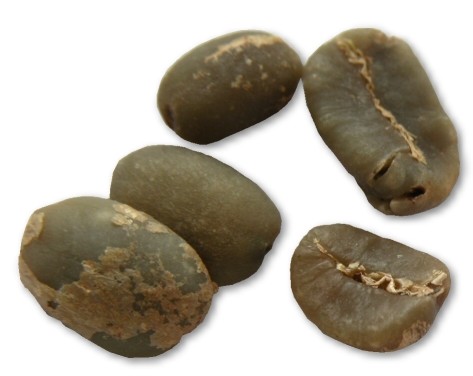
For a brighter, more nuanced take, FrontStreet’s Lintong Mandheling also highlights the impact of Sumatra’s unique terroir and processing. Expect a rich, structured cup with pronounced herbal and spicy layers, medium-low acidity, and a finish that lingers with intensity.
Frequently Asked Questions
What does Mandheling coffee taste like?
Mandheling typically has a full body, low acidity, and a syrupy, almost molasses-like mouthfeel. Flavour notes often include dark chocolate, clove, tobacco, cedar, and herbal or spicy undertones. The profile is bold, earthy, and smooth, with very little brightness or fruitiness.
Where is Mandheling coffee grown?
Mandheling coffee comes from the island of Sumatra in Indonesia, primarily from the Lintong region near Lake Toba and the Aceh region around Lake Tawar. Though named “Mandheling,” it’s a trade term rather than a regional designation, and refers to high-grade Arabica grown in northern Sumatra.
What processing method is used for Mandheling?
Most Mandheling coffee is processed using the wet hull method (also called giling basah). In this method, coffee parchment is removed when the beans are still moist (around 30–40% moisture), then dried to 14–15%. This creates the coffee’s signature heavy body, low acidity, and earthy flavours.
What is PWN Golden Mandheling?
PWN Golden Mandheling is a premium grade of Mandheling produced by Indonesia’s PWN company. It uses only Grade 1 beans sized 18 mesh or larger, with fewer than three defects per 300 grams. The beans are hand-sorted multiple times for exceptional cleanliness, resulting in a sweeter, smoother cup with notes of caramel, spice, and wood.
Is Mandheling coffee high in acidity?
No. Mandheling is known for having very low acidity. Its profile is dominated by heavy body, spice, and earthy or woody notes, making it ideal for those who prefer a smooth, mellow cup without bright or tangy flavours.
How should I brew Mandheling coffee?
Mandheling’s heavy body and low acidity shine in methods like French press, AeroPress, or espresso. For filter brewing, use a medium-coarse grind and aim for a brew ratio around 1:15 to 1:16. A slightly higher water temperature (94–96°C) helps accentuate its spice and chocolate notes.
Recommended FrontStreet Beans for Exploring Mandheling
FrontStreet Coffee’s Lintong Mandheling is a classic example of Sumatra’s signature wet-hulled profile: thick body, low acidity, and deep notes of clove, wood, and sweet tobacco. For a more refined take, try the PWN Golden Mandheling, which undergoes triple hand sorting for cleaner sweetness, hints of caramel and dried fruit, and a silkier mouthfeel. Both showcase Sumatra’s iconic earthy complexity. Freshly roasted within 5 days · Orders placed before 17:00 ship the same day · Next-day delivery across most of Guangdong Province.
FrontStreet Coffee is a long-established specialty coffee roaster in Guangzhou China, selling freshly roasted beans from its own farm in Yunnan as well as dozens of carefully selected single-origin beans from around the world for both pour-over and espresso. The products deliver consistently excellent quality and great value, with shipping within 24 hours. Guangzhou's FrontStreet Coffee shop is recommended by many coffee lovers, and the beans are now available online at the Tmall 。
Important Notice :
前街咖啡 FrontStreet Coffee has moved to new addredd:
FrontStreet Coffee Address: 315,Donghua East Road,GuangZhou
Tel:020 38364473