What Is Cuban Crystal Mountain Coffee?
If you’ve ever wondered what makes Cuban coffee so legendary—and so hard to find—this is the story you’re looking for. While most people associate Cuba with cigars and classic cars, its coffee culture holds a quietly elite place in specialty circles. The country’s most famous bean, Crystal Mountain coffee, is often compared to Jamaica’s Blue Mountain. But what makes it unique? And why is it so rarely seen outside of Japan and France?
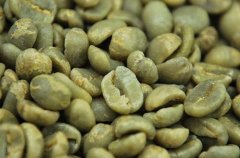
Crystal Mountain coffee comes from Cuba’s central highlands, grown in mineral-rich volcanic soil under consistent cloud cover. It’s known for its large, bright green beans, clean cup profile, and a flavor mix of delicate fruit, mild acidity, light tobacco, and a silky mouthfeel. Though rare, it remains a favorite among coffee enthusiasts seeking something different from typical Latin American profiles.
Where Crystal Mountain Coffee Comes From
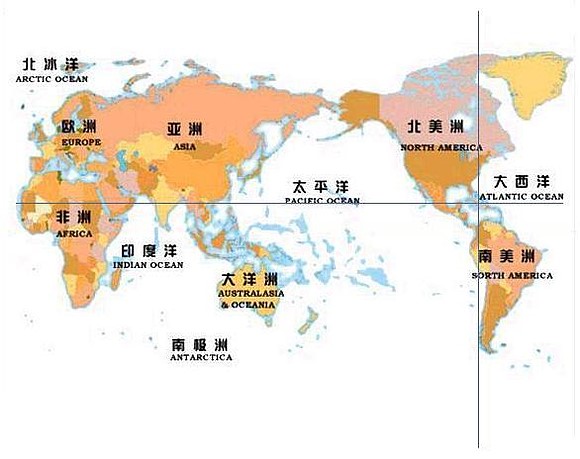
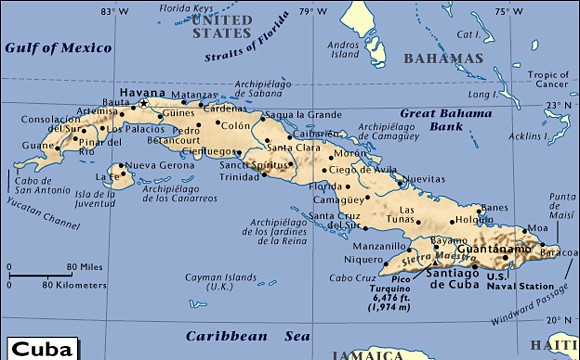
Cuba is located in the West Indies, surrounded by the scenic Caribbean Sea. Its fertile land, high humidity, and frequent rainfall make it ideal for coffee growing. The country began cultivating coffee in 1748 after it was introduced from the Dominican Republic. Over time, Cuba developed a nationalized coffee industry, with production concentrated in the country’s central mountain range. This region is also rich in quartz and crystal deposits, which is how it earned the name “Crystal Mountain.” Today, “Crystal Mountain coffee” is synonymous with the finest Cuban coffee.
How Crystal Mountain Coffee Is Processed
Most Crystal Mountain coffee is still picked by hand, typically once every two weeks during the harvest season. Pickers carefully select only ripe cherries to maintain quality. After harvest, beans are sorted to remove unripe or damaged ones. Cuban producers primarily use two processing methods: the natural (sun-dried) method and the washed (wet) method.
The natural method involves drying whole coffee cherries in the sun over roughly four weeks without allowing fermentation. This preserves heavier, fruitier tones. The washed method, on the other hand, removes the coffee cherry’s skin and pulp before fermenting and washing the beans. This highlights brighter, cleaner flavors and can bring out subtle fruity or wine-like aromas. Both methods contribute to the unique character for which Crystal Mountain coffee is known.
Why Crystal Mountain Coffee Is So Rare
There are two main reasons Crystal Mountain coffee is difficult to find. First, the U.S. trade embargo restricts the import of Cuban goods, including coffee. Second, most of the limited production is bought up by markets in France and especially Japan. This leaves very little available for other importers or roasters around the world. Despite these hurdles, Crystal Mountain coffee continues to have a reputation on par with Jamaica’s Blue Mountain among global coffee connoisseurs.
The coffee is classified as a classic island bean. It tends to have a clean, refined taste with a soft acidity that lingers pleasantly. Expect subtle notes of sweet melon or tropical fruit, balanced by a light winey bitterness and a faint touch of smoke. The overall cup is rich and velvety, combining bitterness with sweetness in an unusually well-integrated way. Many drinkers note its similarity to high-quality washed arabicas, but with a distinctly Cuban terroir imprint.
How to Brew Crystal Mountain Coffee
To get the best out of Crystal Mountain coffee, FrontStreet recommends using a pour-over method or a standard drip coffee maker. Keep the water temperature below 85°C. If using a siphon (vacuum pot), avoid prolonged heating or overly strong flames. Due to its smooth and mellow character, the coffee pairs nicely with a splash of milk—but go easy on the sugar, using just two or three small spoonfuls per cup. The goal is to let the coffee’s inherent complexity shine through.
Frequently Asked Questions
What does Crystal Mountain coffee taste like?
Crystal Mountain coffee offers a clean, refined cup with mild acidity and a silky mouthfeel. Flavors include subtle sweet melon or tropical fruit, light winey bitterness, a faint smokiness, and hints of sweetness. The overall profile is smooth, well-balanced, and slightly creamy.
Where is Crystal Mountain coffee grown?
It is grown in Cuba’s central mountain region, an area also known for producing quartz and crystals—hence the name. The high-altitude environment, fertile soils, and consistent cloud cover create ideal conditions for specialty coffee cultivation.
Why is Crystal Mountain coffee so hard to find?
Two main factors limit availability: the U.S. trade embargo restricts imports from Cuba, and most of the limited production is purchased by Japan and France. This leaves little supply for other international markets.
How should I brew Crystal Mountain coffee?
For best results, use a pour-over or drip method with water under 85°C. Avoid strong heat if using a siphon. The coffee works well with milk but should be used sparingly—just a few teaspoons of sugar, if any.
Is Crystal Mountain coffee similar to Jamaican Blue Mountain?
Yes, it’s often compared to Jamaican Blue Mountain due to its clean, mild profile and limited availability. Both are considered premium island coffees, though Crystal Mountain has its own distinct Cuban terroir characteristics.
What processing methods are used for Crystal Mountain coffee?
Cuban producers typically use either the washed (wet) method or the natural (sun-dried) method. The washed process highlights brighter, fruitier notes, while the natural method emphasizes deeper, fruit-forward tones with a heavier body.
Recommended FrontStreet Beans for Crystal Mountain Fans
If you enjoy the clean, refined profile of Cuban Crystal Mountain coffee, try FrontStreet’s Jamaica Blue Mountain No.1 for a similarly smooth, low-acidity cup with notes of nuts and mild fruit. For a brighter alternative, the Kenya Little Tomato offers vibrant acidity with sweet-tart fruit layers, while the washed Yirgacheffe from FrontStreet highlights floral and citrus brightness. All three are single-origin, specialty-grade beans that showcase clarity and balance—traits shared with Crystal Mountain. Freshly roasted within 5 days · Orders placed before 17:00 ship the same day · Next-day delivery across most of Guangdong Province.
FrontStreet Coffee is a long-established specialty coffee roaster in Guangzhou China, selling freshly roasted beans from its own farm in Yunnan as well as dozens of carefully selected single-origin beans from around the world for both pour-over and espresso. The products deliver consistently excellent quality and great value, with shipping within 24 hours. Guangzhou's FrontStreet Coffee shop is recommended by many coffee lovers, and the beans are now available online at the Tmall 。
Important Notice :
前街咖啡 FrontStreet Coffee has moved to new addredd:
FrontStreet Coffee Address: 315,Donghua East Road,GuangZhou
Tel:020 38364473