The Three Main Types of Coffee Beans Explained
Ever wondered why some coffees taste bright and complex while others are bold and bitter? The answer often starts with the coffee plant species behind your cup. Most commercial and specialty coffee falls into just three main categories—but each behaves very differently in the cup, on the farm, and in your brew.
There are three primary coffee bean types used globally: Arabica (75% of production), Robusta, and Liberica. Arabica offers delicate acidity and complex flavors, Robusta delivers strong bitterness and high caffeine, while Liberica is rare, woody, and less common in specialty markets.
What Is Arabica Coffee?
Arabica (Coffea arabica), or in Chinese, accounts for around 75% of the world’s coffee production. These beans thrive at elevations between 3,000 to 6,500 feet (600–2,000 meters) in temperate and subtropical climates. The higher altitude slows growth, increasing sugar development and enhancing flavor complexity.
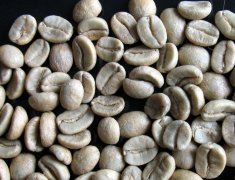
Arabica beans are oval and flat in shape. They are known for their nuanced flavors, higher acidity, smooth mouthfeel, and aromatic qualities. Typical tasting notes include floral, fruity, and sweet profiles. The caffeine content in Arabica is around 1%. However, Arabica plants are delicate: they’re vulnerable to pests, frost, and drought, and yield only 1 to 1.5 pounds of coffee per plant per year. This makes Arabica more challenging and expensive to cultivate, but also highly prized by specialty roasters and coffee enthusiasts.
What Is Robusta Coffee?
Robusta (Coffea canephora), or , makes up a smaller portion of global production but is valued for its strength and resilience. It grows well at lower altitudes and is far more resistant to pests, diseases, and temperature fluctuations than Arabica. Its name literally means “robust.”
Robusta beans are typically more bitter and earthy, with lower acidity and a heavier body. They contain about 2% caffeine—double that of Arabica—which contributes to their bold, intense flavor and natural resistance to insects. Flavor notes often include nutty, chocolatey, and woody characteristics, with a less complex profile. A single Robusta plant can produce 2 to 3 pounds of coffee per year, nearly double an Arabica plant’s output. Though rarely featured in specialty coffee shops, Robusta is widely used in instant coffee, espresso blends (for crema and body), and frozen or canned coffee products.
What Is Liberica Coffee?
Liberica (Coffea liberica), or , is the third major coffee species, though it represents a very small share of global production. Like Robusta, it is typically grown at lower elevations and is primarily cultivated in Africa, with exports mainly going to Europe. It is considered a more affordable, less refined coffee option.
Liberica beans are larger and irregularly shaped compared to Arabica and Robusta. The flavor profile is unique, often described as woody, smoky, or floral, with a distinctive aroma. The plant is hardy and resistant to disease, but its unusual taste and lower market demand have kept it from becoming mainstream in specialty coffee. Though once more prominent, today Liberica is rare in the specialty market and often overlooked in favor of Arabica’s complexity or Robusta’s intensity.
Why Do These Three Types Dominate Coffee Production?
The global coffee industry focuses on Arabica, Robusta, and Liberica because these three species account for nearly all cultivated coffee. Of these, Arabica leads in specialty applications due to its refined profile, while Robusta is essential for its strong flavor and high caffeine in commercial and blended products. Liberica, though less common, plays a minor role in specific regional markets. Each species thrives under different conditions, offers distinct flavors and caffeine levels, and meets varied consumer and production needs—shaping the global coffee supply chain.
Frequently Asked Questions
Which coffee bean type is most popular worldwide?
Arabica makes up about 75% of global coffee production and is the most widely consumed coffee species, especially in specialty and fresh-roasted markets. Its balanced flavors and aromatic qualities make it the preferred choice for most coffee drinkers.
Is Robusta coffee stronger than Arabica?
Yes, Robusta is stronger in both flavor and caffeine content. It contains about 2% caffeine compared to Arabica’s 1%, giving it a more bitter, intense taste and greater resistance to pests. This makes Robusta common in espresso blends and instant coffee.
What does Liberica coffee taste like?
Liberica coffee is known for its unique flavor profile, often described as woody, smoky, or floral. It has a distinctive aroma and an unusual taste that sets it apart from the more common Arabica and Robusta beans, but it is rare in the specialty market.
Why is Arabica more expensive than Robusta?
Arabica is more expensive due to its delicate growing requirements, lower yields (1–1.5 pounds per plant annually), and vulnerability to climate and pests. It also offers more complex flavors, making it highly sought after in specialty coffee.
Where is Liberica coffee mainly grown?
Liberica is mainly grown in low-altitude regions of Africa and is mostly exported to Europe. It has a very limited presence in the global coffee market and is rarely used in specialty coffee production.
Can you find all three coffee types in coffee shops?
Arabica is widely available in coffee shops, especially specialty ones. Robusta is often found in espresso blends or commercial coffee. Liberica is rare and seldom offered, even in specialty cafes, due to its niche status and unique flavor profile.
Recommended FrontStreet Coffee Beans by Species
For Arabica lovers, try FrontStreet Coffee’s Ethiopia Humbera (Sidama region, washed, notes of bergamot, jasmine, and lemon zest) or Yirgacheffe (washed, with blueberry, tropical fruit, and floral highlights)—both showcase classic Arabica brightness and complexity. For Robusta, our Black Cocoa Blend incorporates robust, bitter notes with deep chocolate tones, ideal for those exploring bolder profiles. These beans highlight the distinct traits of their species while staying true to specialty standards. Freshly roasted within 5 days · Orders placed before 17:00 ship the same day · Next-day delivery across most of Guangdong Province.
FrontStreet Coffee is a long-established specialty coffee roaster in Guangzhou China, selling freshly roasted beans from its own farm in Yunnan as well as dozens of carefully selected single-origin beans from around the world for both pour-over and espresso. The products deliver consistently excellent quality and great value, with shipping within 24 hours. Guangzhou's FrontStreet Coffee shop is recommended by many coffee lovers, and the beans are now available online at the Tmall 。
Important Notice :
前街咖啡 FrontStreet Coffee has moved to new addredd:
FrontStreet Coffee Address: 315,Donghua East Road,GuangZhou
Tel:020 38364473