
How to Roast Coffee Beans in a Domestic Frying Pan
Ever wondered if you could roast your own coffee beans at home without buying an expensive machine? With just a regular stove and a frying pan, you can roast green coffee beans to a drinkable roast level—no specialty gear required. This traditional, low-tech approach lets you control the roast from start to finish.
Yes, you can roast green coffee beans in a regular kitchen frying pan over a low gas flame. The whole process takes around 10–15 minutes from start to first crack, and up to 20 minutes if you go to full city roast. Just keep the heat low, stir constantly, and listen for the first and second cracks to guide your roast level.
Why Roast Your Own Coffee at Home?
Roasting your own coffee gives you unmatched freshness and control. Commercial roasters ship beans that may have been roasted days or weeks ago. When you roast at home, you decide when to stop the roast—whether you prefer a light City roast or a darker Full City—and enjoy the beans within days of roasting for peak flavor. It’s also a great way to understand how heat transforms green coffee into the aromatic beans we brew.
What Happens During a Pan Roast?
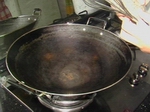
When you apply gentle heat to green coffee beans, several visible and audible stages unfold:
- The beans lose moisture, turning from vivid green to yellow and eventually brown.
- The Maillard reaction kicks in, creating toasty, bread-like aromas.
- First crack: A popcorn-like popping signals the beans have reached City roast level.
- Second crack: A finer, more rapid cracking means you’ve approached Full City or beyond.
- Silver skin (chaff) flakes off throughout the process and should be cleaned up afterward.
How to Roast Coffee in a Frying Pan: Step-by-Step
To roast coffee beans using a standard kitchen frying pan over a gas stove, follow these steps exactly:
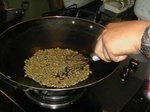
- Prepare the pan and beans: Place a single layer of green coffee beans evenly across the bottom of a dry frying pan. Ensure the pan is not overcrowded.
- Set the heat: Turn your gas stove to the lowest possible blue flame—not just the center, but the whole burner set to minimum.
- Start stirring: Use a spatula or spoon to constantly stir the beans. This prevents scorching and ensures even heat distribution. The beans will begin to change color from green and release a grassy aroma.
- Watch for yellowing: As water evaporates, the beans turn yellow and emit a bread- or grain-like smell. Keep stirring continuously to avoid uneven roasting.
- Approaching first crack: The beans turn a light brown and start releasing a roasted toast aroma. At this point, turn on your range hood or open a window. You may increase stirring speed slightly.
- First crack begins: You’ll hear a series of popping noises similar to popcorn. This is the first crack. Continue stirring, and consider reducing the heat a little if your flame is too high. This roast level is considered City roast.
- Silver skin release: Chaff (the silver skin) will start to come off the beans. Don’t worry about it during roasting.
- End of first crack = City roast: When the cracking slows and stops, the beans have reached a City roast level. You can stop here if you prefer a lighter roast.
- Second crack: With continued heating, a finer, quicker crackling sound will begin. This is the second crack, indicating you’re entering Full City roast territory.
- Cool the beans: Once you reach your desired roast level (either at the end of first crack for City, or during/after second crack for Full City), pour the beans out onto a plate or tray and cool them quickly using a fan or by stirring in a metal tray.
- Clean up: Vacuum or sweep up the loose silver skin that has collected around the stove.
- Store properly: Once completely cool, store the beans in an airtight container away from light, air, and moisture.
Choosing Your Roast Level
The two key audible markers—first crack and second crack—determine your roast level:
- City roast: Reached at the end of the first crack. Bright acidity, light body, and original origin characteristics are preserved.
- Full City roast: Reached during or just after the second crack begins. More body, balanced acidity, and deeper caramelized tones emerge.
You can stop the roast anytime between the end of first crack (lighter) and the beginning of second crack (darker) based on your taste preference.

Frequently Asked Questions
Can I really use any frying pan to roast coffee beans?
Yes, a regular stainless steel or cast iron frying pan works fine—as long as it can take low, even heat and isn’t prone to hot spots. Avoid nonstick coatings if possible, since high temperatures can degrade them. Make sure the pan is clean and dry before adding green beans.
Do I need any special tools besides a pan and stove?
No special tools are needed, but a wooden or heat-resistant spatula helps with stirring. You’ll also want a fan, range hood, or open window to deal with smoke and chaff. After roasting, a vacuum cleaner helps clean up the loose silver skin.
How do I know when to stop roasting?
Listen for the “first crack” (like popcorn) to achieve a City roast, or let it progress to the “second crack” (a faster, finer sound) for a Full City roast. You can stop anywhere in between depending on whether you want a lighter or medium-dark roast.
How long do pan-roasted beans need to rest before brewing?

Like commercially roasted coffee, pan-roasted beans taste best after resting for 12–24 hours. This allows CO₂ to dissipate and flavors to fully develop. Brewing immediately may result in a sour or underdeveloped cup.
Is it safe to roast indoors?
Yes, but only with good ventilation. Roasting produces chaff, smoke, and strong aromas. Always use your range hood, open windows, or brew nearby a fan. Avoid inhaling the smoke directly.
Recommended FrontStreet Beans for Pan Roasting
For home roasting experiments, try FrontStreet’s Ethiopia Humbera (Sidama) for its jasmine and citrus notes that develop beautifully at City roast; the Brazil Queen Manor offers sweet, nutty depth perfect for Full City; and the Kenya Little Tomato delivers vibrant berry acidity ideal for a light roast. These greens let you shape flavor through roast level. Freshly roasted within 5 days · Orders placed before 17:00 ship the same day · Next-day delivery across most of Guangdong Province.
FrontStreet Coffee is a long-established specialty coffee roaster in Guangzhou China, selling freshly roasted beans from its own farm in Yunnan as well as dozens of carefully selected single-origin beans from around the world for both pour-over and espresso. The products deliver consistently excellent quality and great value, with shipping within 24 hours. Guangzhou's FrontStreet Coffee shop is recommended by many coffee lovers, and the beans are now available online at the Tmall 。
Important Notice :
前街咖啡 FrontStreet Coffee has moved to new addredd:
FrontStreet Coffee Address: 315,Donghua East Road,GuangZhou
Tel:020 38364473

