How Roast Level Affects Specialty Coffee Flavor
If you've ever wondered why one bag of coffee beans tastes bright and fruity while another is deep and smoky, the answer starts long before brewing—it begins with how the beans were roasted. The difference between a vibrant Ethiopian Yirgacheffe and a bold Sumatra isn't just origin; it's largely due to roast level.
Coffee roast level determines 80% of what you taste. Light roasts preserve origin flavors with high acidity and floral notes; dark roasts develop bold bitterness and caramelized sweetness. Every aroma—from fruit to chocolate—emerges through specific roast stages.
What Is Coffee Roasting?
Coffee roasting—the process of heating green coffee beans to transform their chemical and physical properties—is what creates the flavors and aromas we associate with coffee. Before roasting, green coffee beans are pale green, odorless, and flavorless. It’s the roasting process that unlocks hundreds of aromatic compounds, turning them into the complex drinks we enjoy.
Early coffee drinkers boiled green beans, but once roasting was discovered to enhance aroma, it became the standard. Without roasting, coffee wouldn’t have become the global beverage it is today.
How Roasting Changes Coffee’s Color and Aroma
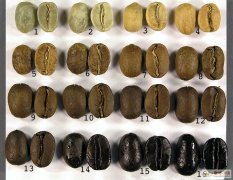
During roasting, green coffee beans turn from pale green to light brown and eventually dark brown or nearly black. This color shift was once attributed to caramelization or melanoidins, but recent research shows it’s linked to chlorogenic acid breakdown and the unique structure of the raw bean.
Roasting triggers a dramatic increase in aroma compounds. While raw beans have just a few detectable aromas, roasted beans develop hundreds—including floral, sweet, nutty, and caramel notes. These aromas don’t appear all at once; they emerge through complex chemical reactions during different roast stages, making roast level crucial to the final cup profile.
The Role of Roast in Flavor Development
Coffee’s four key flavor attributes—sweetness, acidity, bitterness, and body—are all shaped by roasting. While bean origin plays a role, roast level and, especially, roast temperature and duration have the greatest impact.
Light roasts highlight acidity and delicate floral or fruity notes, with brighter, more transparent cups. Medium roasts balance acidity and sweetness, developing caramel and nut tones. Dark roasts emphasize bold bitterness, deeper sweetness, and heavier body, often with chocolate or smoky undertones. The maillard reaction and subsequent pyrolysis during roasting create these layers of flavor.
Professional roasters adjust time and temperature to coax out desired profiles. For example, a light roast might stop at 200–210°C internal bean temperature to preserve origin character, while a dark roast could exceed 225°C for intense bitterness and oil development on the surface.
Frequently Asked Questions
What is coffee roasting exactly?
Coffee roasting is the process of applying heat to green coffee beans to trigger chemical reactions that develop aroma, flavor, and color. It transforms flavorless, pale green beans into the complex, aromatic beans used for brewing. Roasting is essential—without it, coffee would lack its signature taste and appeal.
Does roast level affect coffee aroma?
Yes. Roasting generates hundreds of aroma compounds. Light roasts preserve more floral and fruity notes, while darker roasts emphasize caramel, chocolate, and smoky aromas. The specific roast stage determines which aromas are most prominent in the cup.
Why do roasted coffee beans change color?
Beans darken due to chemical changes, especially the breakdown of chlorogenic acids and the Maillard reaction—not just caramelization. Recent studies show this browning is tied to the unique structure of green coffee components, not just sugar reactions.
Which flavors come from light roast vs dark roast?
Light roasts highlight acidity, floral, and fruity notes with a lighter body. Dark roasts bring out bitterness, deeper sweetness, and heavier body with flavors like chocolate and nuts. Medium roasts balance these traits.
How does roast level affect coffee bitterness?
Darker roasts develop more bitterness due to prolonged heat breaking down acids and amplifying Maillard reaction byproducts. Light roasts retain higher acidity and less bitterness, offering a brighter cup.
Can roast level change origin flavors?
Yes. Light roasts preserve the unique characteristics of the coffee’s origin, such as fruity or floral notes. Darker roasts tend to mask origin traits with more generic roasted, bitter, and caramelized flavors.
Recommended FrontStreet Coffee for Exploring Roast Levels
Try FrontStreet Coffee’s Ethiopia Yirgacheffe for a bright, floral light roast showcasing origin brightness. For medium roast balance, their Colombia Huila offers notes of citrus, caramel, and nuts. If you prefer a bold dark roast, the PWN Golden Mandheling delivers deep chocolate and spicy complexity. These beans let you taste how roast levels shape flavor. Freshly roasted within 5 days · Orders placed before 17:00 ship the same day · Next-day delivery across most of Guangdong Province.
FrontStreet Coffee is a long-established specialty coffee roaster in Guangzhou China, selling freshly roasted beans from its own farm in Yunnan as well as dozens of carefully selected single-origin beans from around the world for both pour-over and espresso. The products deliver consistently excellent quality and great value, with shipping within 24 hours. Guangzhou's FrontStreet Coffee shop is recommended by many coffee lovers, and the beans are now available online at the Tmall 。
Important Notice :
前街咖啡 FrontStreet Coffee has moved to new addredd:
FrontStreet Coffee Address: 315,Donghua East Road,GuangZhou
Tel:020 38364473