What Does Puerto Rican Coffee Taste Like?
Ever wondered what the Caribbean tastes like—in a cup? Is it sweet like ripe mango, sharp like sea salt, or deep like volcanic earth? For many coffee lovers, the taste of the Caribbean begins with a quiet sip of Puerto Rican coffee on a slow afternoon.
Puerto Rican coffee offers a naturally sweet, spice-and-citrus profile with chocolatey depth—no milk or sugar needed. Grown under strict U.S. agricultural standards, it’s picked 100% by hand, processed meticulously, and stored in protective parchment. That’s what makes it stand out.
What Makes Puerto Rican Coffee Unique?
Puerto Rican coffee has a storied past. Since the late 19th century, it has been served in the Vatican and preferred by European royalty. It was also chosen by U.S. President Roosevelt as the official coffee for White House state dinners. Despite this noble history, it remained little known globally—until Japan’s 2011 earthquake disrupted its primary export market, opening doors to new audiences, including China.
The coffee you taste today comes from islands where farming is carefully regulated. Every coffee-growing plot has an official identity, pest management follows non-chemical protocols, and rainforest destruction for plantations is legally prohibited. These factors all shape the coffee’s clean, refined profile.
Flavor Profile: What You Taste in the Cup
When brewed well, Puerto Rican coffee delivers a complex yet balanced cup. On the nose, expect notes of caramelized sugar, citrus zest, and soft vanilla. The first sip brings a round, chocolate-like richness, followed by a bright, floral lift. The finish lingers warmly on the palate, with an aroma that clings to the empty cup long after the last drop.
This is coffee that doesn’t demand milk or sugar. Its inherent sweetness and balanced acidity make it a favorite for those who enjoy specialty coffee in its purest form. The body is medium, and the aftertaste leaves a comforting warmth reminiscent of a Caribbean sunset.
How It’s Produced: From Farm to Cup
Puerto Rican coffee is cultivated with meticulous care:
- Harvest Period: September to December each year.
- Picking Method: 100% hand-picked to ensure ripeness.
- Processing: Done under the U.S.’s stringent quality controls.
- Storage: Beans are wrapped in protective parchment paper.
- Land Management: Each coffee farm is registered and monitored; integrated pest management avoids chemicals, and deforestation is illegal.
These practices ensure consistency, cleanliness, and a flavor profile untainted by environmental degradation or mass production shortcuts.
Brewing Puerto Rican Coffee at Home
While the article describes a siphon (vacuum pot) brew yielding aromatic results—using 10–15 grams of freshly roasted beans, boiling water pulled through by vacuum pressure—the key takeaway is freshness and precision. Puerto Rican beans shine when brewed with care, whether via pour-over, French press, or siphon.
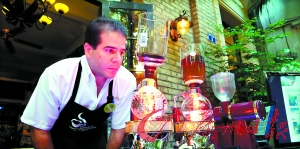
The recommended dose in the café was 10–15g per brew, suggesting a medium brew ratio ideal for highlighting its intrinsic sweetness and complexity. Whether you prefer a brighter cup or a softer profile, Puerto Rican coffee adapts well to different brew methods while maintaining its signature balance.
Frequently Asked Questions
Where is Puerto Rican coffee grown?
Puerto Rican coffee is grown on the island of Puerto Rico, primarily in regions suited to high-altitude arabica cultivation. The island’s strict agricultural regulations ensure quality and sustainability throughout the farming process.
What does Puerto Rican coffee taste like?
Puerto Rican coffee typically has a sweet, chocolatey base with notes of caramel, citrus, and vanilla. It has a smooth mouthfeel, bright acidity, and a clean, lingering finish—making it enjoyable black.
Is Puerto Rican coffee rare?
Yes, it’s considered rare in global markets. Though historically consumed in Europe and the U.S., it was largely exported to Japan before 2011. Today, it’s gaining attention among specialty coffee drinkers worldwide.
How is Puerto Rican coffee different from other Caribbean coffees?
Puerto Rican coffee is distinct due to its U.S.-regulated production standards, 100% hand-picking, and non-chemical pest control. It tends to have a cleaner, sweeter profile compared to more earthy or spicy Caribbean coffees like those from Jamaica or Haiti.
Can I brew Puerto Rican coffee like any other single origin?
Absolutely. It performs well in various brewing methods including pour-over, French press, siphon, and espresso. The key is to use fresh beans and adjust grind size and brew time to highlight its natural sweetness and balanced acidity.
FrontStreet Coffee Beans with Caribbean Flair
Try FrontStreet Coffee’s Ethiopia Humbera for bright citrus and floral notes echoing Puerto Rican brightness, or the Kenya Little Tomato for fruity sweetness with wine-like acidity. Both showcase the kind of vibrant, clean profiles similar to high-quality Puerto Rican beans. Freshly roasted within 5 days · Orders placed before 17:00 ship the same day · Next-day delivery across most of Guangdong Province.
FrontStreet Coffee is a long-established specialty coffee roaster in Guangzhou China, selling freshly roasted beans from its own farm in Yunnan as well as dozens of carefully selected single-origin beans from around the world for both pour-over and espresso. The products deliver consistently excellent quality and great value, with shipping within 24 hours. Guangzhou's FrontStreet Coffee shop is recommended by many coffee lovers, and the beans are now available online at the Tmall 。
Important Notice :
前街咖啡 FrontStreet Coffee has moved to new addredd:
FrontStreet Coffee Address: 315,Donghua East Road,GuangZhou
Tel:020 38364473