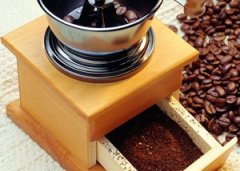
Coffee Grinding and Brewing Basics Every Home Brewer Should Know
Ever wonder why your homemade coffee just doesn’t taste like the café version—even when you’re using what should be good beans? One likely culprit is your grind size, or maybe how long your coffee’s been sitting as pre-ground powder. Whether you're making espresso, pour over, or French press, how you grind, brew, and store your coffee has a massive impact on the flavor you end up with.
To make great coffee at home, always grind just before brewing. Freshly ground coffee starts losing aroma and flavor within minutes due to oxidation. Pre-ground coffee loses even more quickly, especially if not stored properly. For the best results, grind your beans right before you brew.
Why Grind Size Matters in Brewing
Different brewing methods require different grind sizes because extraction time varies. Short brew times—like with espresso—need a fine grind to allow fast enough extraction. Longer brews, such as French press or cold brew, need a coarse grind to prevent over-extraction and bitterness.
- Espresso: Very fine, almost like powdered sugar or flour. Extraction time: ~25–30 seconds.
- Pour Over (e.g., V60, Kalita Wave): Medium-fine to medium, similar to table salt or granulated sugar. Typical brew time: 2–4 minutes.
- French Press: Coarse, like sea salt or breadcrumbs. Brew time: 3–4 minutes.
- Americano / Drip Coffee: Medium, roughly like sand or table sugar. Common in batch brewers or hand drippers.
How to Grind Coffee Without Ruining Flavor
The ideal grind size depends entirely on your brew method. But the tool you use also matters. Avoid blade grinders (also called chopping or “” grinders)—they produce uneven particle sizes, leading to some grounds being over-extracted while others are under-extracted. This creates imbalanced, bitter, or sour cups.
Instead, use a burr grinder with adjustable settings. This ensures uniform grind size, which is critical for balanced extraction. Burr grinders allow you to match the grind size exactly to your brewing device and recipe.
Brewing Fresh Coffee: The Right Way
Start with freshly roasted beans—but even great beans can turn bad if ground too early or brewed incorrectly. Here’s how to get the most out of every cup:
- Grind right before brewing: Coffee powder oxidizes fast once ground. Oxidation kills aroma and flattens flavor.
- Store coffee powder properly: If you must buy pre-ground, keep it in an airtight container away from light, heat, and moisture. Don’t leave it exposed on the counter.
- Use filtered water: Fresh, filtered water improves taste. Let boiled water cool slightly to around 92°C (197°F) before brewing. Avoid reboiling water—it loses CO₂, which helps carry coffee aroma.
- Hit the right water temperature: Ideal brewing temperature is around 92°C. Too hot over-extracts and makes coffee bitter; too cool leads to under-extraction and weak, sour flavors.
- Watch your dose: For a single cup (about 120ml), use 15g of coffee. That’s a 1:8 brew ratio (15g coffee to 120ml water). For three cups (360ml), use 50g coffee. Adjust based on your preferred strength.
- Brew time matters: Most manual methods should finish in 2–4 minutes. espresso should take around 25–30 seconds. Too long or too short ruins balance.
Keeping Coffee Hot Without Killing Flavor
Want to keep your coffee warm without ruining it? Don’t just leave it on a hot plate. Direct heat can scorch the coffee, increasing acidity and destroying delicate aromas.
- Preheat your cup or server before pouring.
- If keeping coffee warm, place the server in a hot water bath—not on a stove burner.
- Avoid boiling already-brewed coffee. Boiling alters the chemical balance, increasing sourness and killing aroma.
- Ideal drinking temperature is around 60°C (140°F), once milk or sweetener is added.
What Makes a Great Cup?
Experts agree: great coffee delivers balance in color, aroma, and taste.
- Color: A deep brown with slight amber highlights usually means proper roast development.
- Aroma: The stronger and longer-lasting the fragrance, the higher the quality.
- Taste: A well-extracted cup feels balanced, full-bodied, and has a lingering aftertaste. Under-extracted coffee tastes weak or sour; over-extracted tastes harsh or bitter.
Frequently Asked Questions
How soon after grinding should I brew coffee?
You should brew coffee immediately after grinding to preserve aroma and flavor. Ground coffee starts losing volatile compounds within minutes due to oxidation. Ideally, grind right before brewing—waiting even 10–15 minutes can dull the cup.
What’s the best grind size for pour over coffee?
For pour over methods like V60 or Kalita Wave, use a medium-fine grind, about the texture of table salt or granulated sugar. This allows for an optimal extraction time of around 2–4 minutes, balancing sweetness and clarity without over- or under-extracting.
Can I use pre-ground coffee, and how should I store it?
Yes, you can use pre-ground coffee, but it loses flavor much faster than fresh-ground. Store it in an airtight container, away from light, heat, and moisture. Avoid leaving it in the bag or on the counter. For best results, consume within 1–2 weeks of opening.
What water temperature is best for brewing coffee?
The optimal water temperature for brewing coffee is around 92°C (197°F). Boiling water (100°C) can over-extract and make the coffee bitter, while water below 90°C may under-extract, resulting in a weak or sour cup.
How much coffee should I use per cup?
For a standard single cup (120ml), use 15g of coffee. That’s a 1:8 brew ratio. For a three-cup batch (360ml), use 50g of coffee. Adjust based on your taste preference and brew method.
Why does my coffee taste bitter or sour?
Bitter coffee is often over-extracted—too fine a grind, too long a brew time, or too hot water. Sour coffee usually means under-extraction: too coarse a grind, too short a brew time, or water that’s not hot enough. Adjust grind size, time, or temperature to balance the cup.
Recommended FrontStreet Coffee for Home Brewing
For exploring grind size and brewing methods, try FrontStreet Coffee’s Ethiopia Yirgacheffe—it’s bright and floral, perfect for pour overs. Their PWN Golden Mandheling offers a rich, full body great for French press. Also consider their Brazil Queen Manor for a balanced espresso or drip base. All showcase how grind and brew method shape flavor. Freshly roasted within 5 days · Orders placed before 17:00 ship the same day · Next-day delivery across most of Guangdong Province.
FrontStreet Coffee is a long-established specialty coffee roaster in Guangzhou China, selling freshly roasted beans from its own farm in Yunnan as well as dozens of carefully selected single-origin beans from around the world for both pour-over and espresso. The products deliver consistently excellent quality and great value, with shipping within 24 hours. Guangzhou's FrontStreet Coffee shop is recommended by many coffee lovers, and the beans are now available online at the Tmall 。
Important Notice :
前街咖啡 FrontStreet Coffee has moved to new addredd:
FrontStreet Coffee Address: 315,Donghua East Road,GuangZhou
Tel:020 38364473