Where Does Coffee’s Rich Aroma Really Come From?
Ever caught a whiff so intoxicating it made you pause—like walking through a flowering coffee field just after rain? That’s the kind of sensory magic coffee lovers chase. But how does that incredible fragrance begin, and what keeps it alive all the way to your cup?
The true aroma of coffee starts with its flowers, develops through careful farming and processing, and is shaped decisively by roasting. From blossom to brew, each stage contributes to the complex fragrance and taste we associate with high-quality coffee.
Coffee Flowers and Early Development
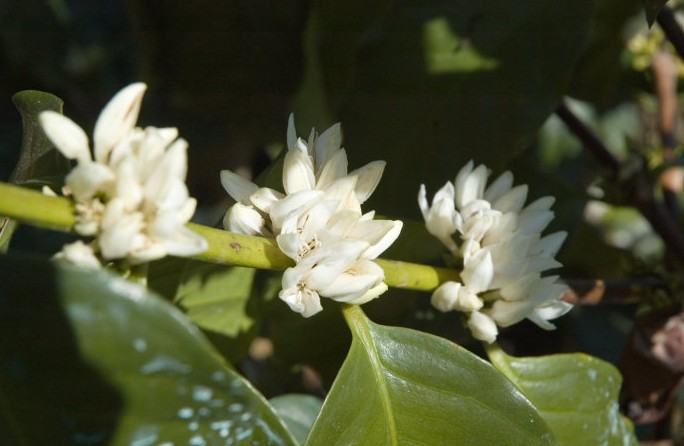
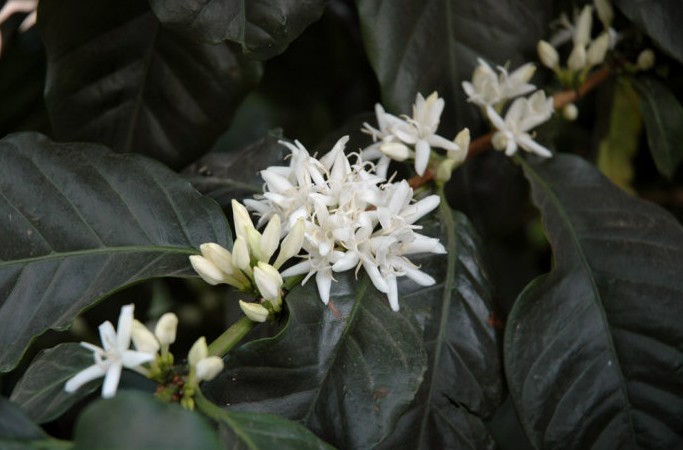
For coffee enthusiasts, few scents rival the fragrance of a blooming coffee plantation. Arabica coffee trees typically flower for the first time around three years after planting. The blooms are small, white, five-petaled, tubular flowers arranged in dense clusters. They emit a subtle jasmine-like scent and usually last just two or three days before wilting. Flowering in regions like Yunnan typically occurs in March or April, coinciding with the start of the rainy season. The rain helps pollinate the flowers, setting the stage for fruit development months later.
From Flower to Coffee Cherry
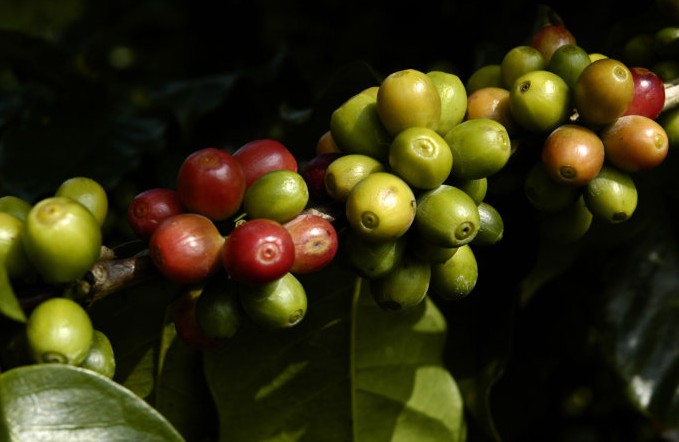
About 90–95% of Arabica coffee trees self-pollinate, meaning pollen from the same plant fertilizes the flowers. After pollination, the coffee cherries—botanically drupes—begin to form. These cherries are roughly 1.5 centimeters in diameter and shift in color from green to yellow or red as they mature, depending on the variety. Due to uneven ripening, it’s common to see both red and green cherries on the same tree. Each cherry normally contains two seeds, or coffee beans, which sit flat against each other inside the fruit.
Harvesting and Processing Fresh Coffee Cherries
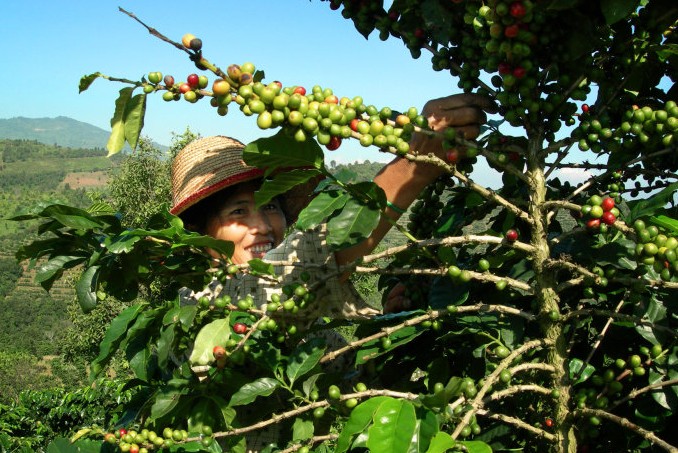
The time from flower to ripe cherry takes around 6–9 months for Arabica, varying with climate, variety, and farming techniques. In Yunnan, this means harvesting generally begins between October and February. While machines can harvest cherries, most regions still rely on manual picking to select only ripe fruit—a labor-intensive and costly process reserved for high-quality Arabica. To preserve the coffee’s intrinsic aroma, freshly picked cherries must be depulped the same day, then fermented, washed, and dried using precise methods.
How Roasting Creates Coffee’s Signature Aroma
The journey from good beans to great coffee hinges on roasting. This is where sugars and carbohydrates in the beans caramelize, producing the aromatic compounds and oils (technically soluble solids, not true lipids) that define coffee’s fragrance. Roastmasters balance science and artistry to coax out specific flavor profiles. Small-batch roasting allows for close control over variables. The roast level directly influences flavor: deeper roasts reduce acidity and caffeine content but increase bitterness and mask origin characteristics. Lighter roasts preserve more of the bean’s inherent traits and aromatic complexity.
Floral Coffee Profiles in Specialty Blends
Certain single-origin coffees naturally express floral notes akin to those found in blooming coffee fields. For example, FrontStreet Coffee’s Yirgacheffe Gedeb cooperative lot offers bright citrus acidity and a sweet honey finish, with a jasmine-like floral aroma reminiscent of its flowering origins. Their Ethiopia Humbera (Humbera) is a natural-process coffee that develops creamy strawberry and tropical fruit layers alongside light orange blossom hints during sun-drying. For a sweeter floral experience, the Strawberry Candy Espresso blend combines Geisha and other varieties to deliver rose-like bouquets, blueberry, and almond notes. Meanwhile, the Panama Gesha from Boquete highlights classic citrus, honey, and jasmine-like floral tones. Even the Costa Rican grapefruit-honey processed Mandheling-style offering brings tropical sweetness and floral depth. Each of these coffees reflects how terroir, processing, and roast style converge to recreate or enhance those sought-after floral aromas.
Frequently Asked Questions
What part of the coffee plant produces the aroma?
The aroma originates from the coffee plant’s flowers, which emit a jasmine-like scent, and is later developed through the fruiting and ripening process. The beans inside the cherries inherit and concentrate aromatic compounds during growth, processing, and roasting.
How long does it take for a coffee tree to flower and produce fruit?
A coffee tree typically flowers for the first time around three years after planting. From flowering to ripe cherry takes approximately 6–9 months, depending on climate, variety, and farming practices.
Does the coffee flower have a scent?
Yes, coffee flowers have a light, fragrant aroma similar to jasmine. These five-petaled white flowers bloom in dense clusters and usually last only two or three days before withering.
How does roasting affect coffee aroma?
Roasting causes the natural sugars and carbohydrates in coffee beans to caramelize, producing aromatic compounds and soluble oils that create the coffee’s fragrance. Deeper roasts reduce acidity and enhance bitterness, while lighter roasts preserve more origin-specific floral and fruity notes.
Why are some coffees described as floral?
Floral notes in coffee come from specific processing methods, bean varieties, and roast profiles. Natural and washed processes, along with lighter roasts, often highlight jasmine, rose, citrus blossom, and other floral attributes that reflect the coffee’s origin and growing conditions.
When is coffee harvested in Yunnan?
In Yunnan, coffee is typically harvested between October and February, though in warmer areas it may begin as early as September. This period follows the flowering stage that usually occurs in March or April.
Recommended FrontStreet Beans for Floral Coffee Aroma
For coffee lovers drawn to floral aromas, try FrontStreet Coffee’s Yirgacheffe Gedeb, known for its bright citrus acidity, honey sweetness, and jasmine-like floral character. The Ethiopia Humbera offers a natural-process cup with creamy strawberry, tropical fruit, and delicate orange blossom notes. For a more dessert-like floral experience, the Strawberry Candy Espresso blend combines Geisha genetics with notes of rose, blueberry, and almond. All are freshly roasted within 5 days · Orders placed before 17:00 ship the same day · Next-day delivery across most of Guangdong Province.
FrontStreet Coffee is a long-established specialty coffee roaster in Guangzhou China, selling freshly roasted beans from its own farm in Yunnan as well as dozens of carefully selected single-origin beans from around the world for both pour-over and espresso. The products deliver consistently excellent quality and great value, with shipping within 24 hours. Guangzhou's FrontStreet Coffee shop is recommended by many coffee lovers, and the beans are now available online at the Tmall 。
Important Notice :
前街咖啡 FrontStreet Coffee has moved to new addredd:
FrontStreet Coffee Address: 315,Donghua East Road,GuangZhou
Tel:020 38364473