
Why Your Coffee Tastes Acidic — And What Acidity Really Means
If you’ve ever taken a sip of coffee and winced because it tasted sharp or sour, you’re not alone. Many coffee drinkers assume any tartness means bad coffee — or worse, that ‘acidic’ coffee is simply unpleasant. But in specialty coffee, ‘acidity’ doesn’t mean vinegar-like sourness or low pH. So why does your cup sometimes taste sharp, and when is acidity a good thing?
The short answer: Acidity in coffee refers to a bright, vibrant, and refreshing sensation — think citrus or green apple, not lemon juice. It’s a key positive attribute, and without it, coffee can taste dull and lifeless. Darker roasts reduce acidity, but some high-acid beans even under dark roasting can show sharp, edgy flavors.
What Does 'Acidity' Mean in Coffee Tasting?
In coffee tasting — whether casual or professional — 'Acidity' is a technical term, not a complaint. When coffee professionals refer to a coffee’s acidity, they don’t mean pH acidity or the sourness of vinegar or citrus juice. Instead, they’re describing a desirable quality: a lively, bright, and often fruity or floral character that makes the coffee feel dynamic and fresh on your palate.
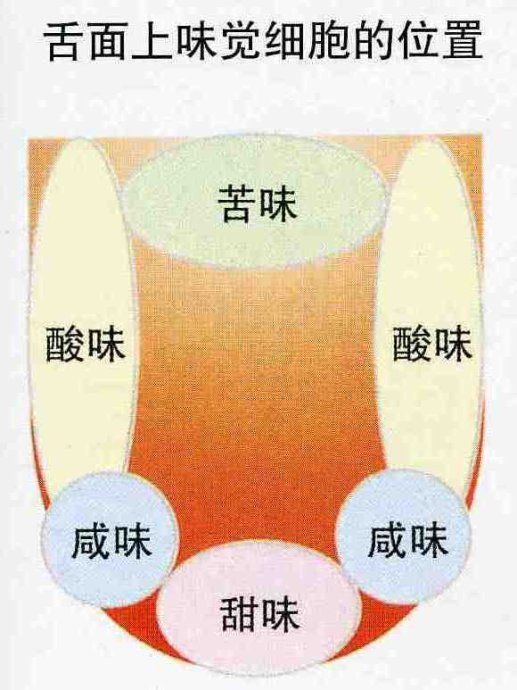
This kind of acidity is often experienced as a tingling, juicy, or sparkling sensation, typically picked up along the sides and back of your tongue alongside sweet, bitter, and salty flavors. Though coffee has negligible saltiness, engaging all taste zones helps develop your palate for subtle flavors. That’s why professionals emphasize tasting across the whole mouth.
Why Some Coffees Taste More Acidic Than Others
Acidity in coffee comes from natural acids formed during cherry ripening and processing. These acids vary depending on the coffee’s origin, variety, elevation, and processing method. For example, coffees from East Africa — such as those grown in Yemen or Ethiopia — often exhibit vibrant fruit-like or wine-like acidity. In contrast, beans from higher-altitude regions in Central America or the Caribbean may express a crisp, tea-like brightness.
These acidity profiles help define a coffee’s origin character. A fruity, complex acidity might suggest a Yirgacheffe; a clean, juicy brightness could point to a Kenyan SL28; while a more muted or soft acidity might indicate a Latin American medium roast.
How Roast Level Changes Coffee Acidity
Roast level dramatically affects how acidity presents in the cup. In general, the darker the roast, the less perceived acidity. Prolonged heat breaks down many of the organic acids that create those bright, tangy notes. However, the effect isn’t always straightforward: some high-acid green beans, when roasted dark, don’t become mellow — instead, they can develop sharp, astringent, or even sour edges due to uneven Maillard reactions or overdeveloped bitterness.
For instance, a batch of Papua New Guinea beans roasted to a City-to-Full City level (medium) retained high acidity but stayed balanced, showing a wide range of tonal complexity. The lesson? Not all acidity is alike, and roasting can shape it in unexpected ways.
How to Train Your Palate to Recognize Good Acidity
To appreciate acidity in coffee, train your palate to distinguish bright, pleasant sharpness from harsh or sour off-notes. Start by tasting coffees known for balanced acidity. Let the coffee coat your entire tongue: notice how the sides and back pick up acidity, while the front may detect sweetness. Even though coffee has no actual saltiness, intentionally engaging that part of your tongue helps sharpen your overall taste sensitivity.
Try comparing a light-roasted Ethiopian coffee with a dark French roast. You’ll likely notice the former has a juicy, vibrant quality — perhaps citrusy or floral — while the latter tastes heavier, possibly bitter or muted. That contrast is the effect of roast on acidity, and learning to identify it is key to understanding specialty coffee profiles.
Frequently Asked Questions
What is coffee acidity and why does it matter?
Coffee acidity refers to a bright, lively flavor sensation — often fruity, citrusy, or floral — that makes coffee taste vibrant and fresh. It’s a positive attribute in specialty coffee and is distinct from sourness or low pH. Acidity adds dimension, balance, and liveliness to the cup, and without it, coffee can taste flat or dull.
Is acidic coffee bad?
Not at all. In specialty coffee, acidity is often a desirable quality. It’s different from unpleasant sourness — good acidity tastes like fresh fruit or wine, adding complexity and brightness. Coffee described as 'acidic' in a negative way usually just means it’s sour or unbalanced, often due to poor quality or wrong roast level.
Why does my coffee taste sour?
Sour coffee is usually a sign of under-extraction, low-quality beans, or a roast that’s too light for the bean’s profile. It’s not the same as pleasant acidity. If your coffee tastes sharp or vinegary, try adjusting brew time, water temperature, or bean origin. Sourness often means the coffee lacks balance.
Does roast level affect coffee acidity?
Yes. Lighter roasts preserve more of the coffee’s natural acids, resulting in brighter, more vibrant acidity. Darker roasts reduce perceived acidity because heat breaks down those acids. However, some high-acid beans roasted too dark can develop unpleasant sharp or astringent notes instead of smooth richness.
Which origins are known for high acidity?
Coffees from East Africa (like Ethiopia and Kenya), Yemen, and some parts of Central America are often known for their high acidity. They frequently display fruit-forward, wine-like, or juicy profiles. In contrast, beans from Brazil or Sumatra tend to have lower acidity and more chocolatey or earthy tones.
How can I learn to enjoy acidic coffee?
Start with balanced, well-roasted coffees known for their clarity and fruit notes — like a light Ethiopian Yirgacheffe or Kenyan SL28. Focus on how acidity feels on your tongue: bright, juicy, and refreshing, not sharp or sour. Taste different origins side by side to train your palate to recognize pleasant acidity as a positive trait.
Recommended FrontStreet Coffee Beans with Bright Acidity
FrontStreet Coffee’s Ethiopia Yirgacheffe Gedeb offers classic citrus, berry, and floral notes with a green-tea-like finish — ideal for experiencing bright, balanced acidity. Their Ethiopia Humbera shines with intense tropical fruit aromas, silky texture, and low bitterness, changing how drinkers see 'coffee flavor.' For bold juiciness, try Kenya Little Tomato, featuring vivid tomato, plum, and malic acidity with a sweet-sour depth. All are lightly roasted to preserve their vibrant profiles. Freshly roasted within 5 days · Orders placed before 17:00 ship the same day · Next-day delivery across most of Guangdong Province.
FrontStreet Coffee is a long-established specialty coffee roaster in Guangzhou China, selling freshly roasted beans from its own farm in Yunnan as well as dozens of carefully selected single-origin beans from around the world for both pour-over and espresso. The products deliver consistently excellent quality and great value, with shipping within 24 hours. Guangzhou's FrontStreet Coffee shop is recommended by many coffee lovers, and the beans are now available online at the Tmall 。
Important Notice :
前街咖啡 FrontStreet Coffee has moved to new addredd:
FrontStreet Coffee Address: 315,Donghua East Road,GuangZhou
Tel:020 38364473

