Understanding Coffee Roasting: A Specialty Coffee Guide
Ever wonder why two bags of the same coffee origin can taste wildly different? Much of that difference comes down to one crucial step: how the coffee was roasted. Roasting transforms green coffee beans into the aromatic, flavorful beans we brew—but it’s also where a lot can go wrong. Whether you’re drinking coffee daily or just curious how your morning cup came to be, understanding roasting is key.
To roast coffee well, you need to select quality green beans, control heat through key phases like drying, first crack, and potentially second crack, and cool the beans quickly. Then rest them for around a week before brewing. Most home roasters start small—just 100–300 grams at a time—and aim for a roast that highlights, not masks, the bean’s origin character.
Why Green Bean Quality Matters Before Roasting
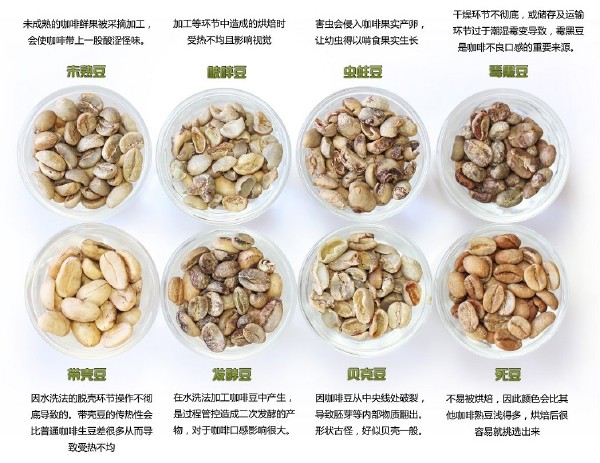
Before you even turn on a roaster—or a skillet—you have to start with good green coffee. The first step in the roasting process is hand-selecting green beans to remove defects. Defects like black beans, insect-damaged beans, sour beans, or shells can ruin a batch, even after roasting. Some flaws are visible before roasting, others only become obvious afterward. Removing them early ensures a cleaner cup.
Defects affect not just roast consistency but also the final flavor profile. Even a few bad beans can introduce off-notes or bitterness. It’s a meticulous but essential step for anyone serious about quality.
Home Roasting: Tools and Quantities
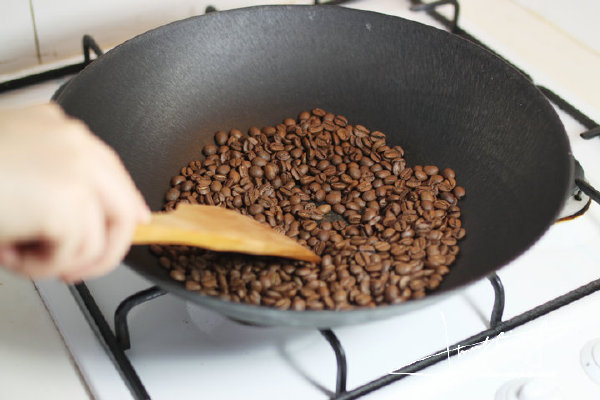
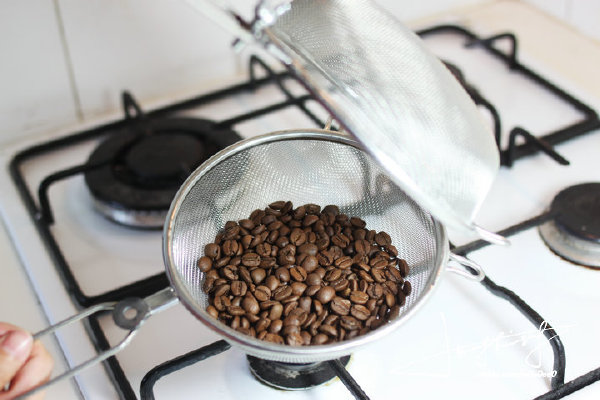
You don’t need a commercial drum roaster to get started. Many beginners begin with affordable tools like a cast iron pan or a manual hand roasting sieve (hand net). These methods require more effort but let you experiment without a big investment.
If you’re using a hand net, roast in batches of 100–180 grams. For a skillet or frying pan, aim for 150–300 grams per batch. Keep in mind, these aren’t ideal for large-scale roasting, but they work fine for learning how heat affects the beans.
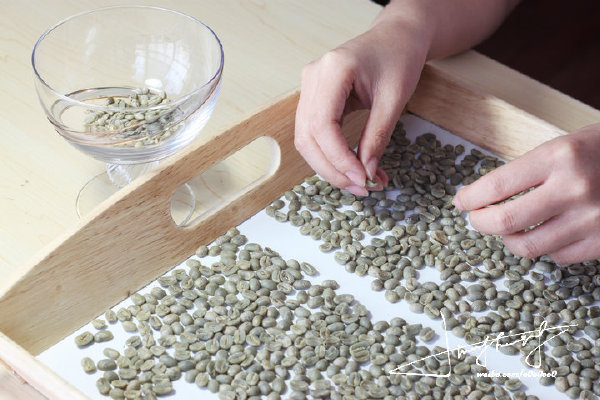
Note: what some beginners mistake for roasting is actually just the cooling process. After roasting, beans must be rapidly cooled to stop the cooking process. This is often done with a cooling tray or colander, not more heat.
The Science of Roasting: From First Crack to Resting
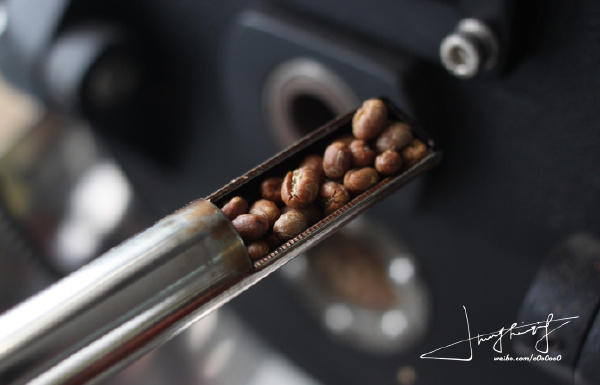
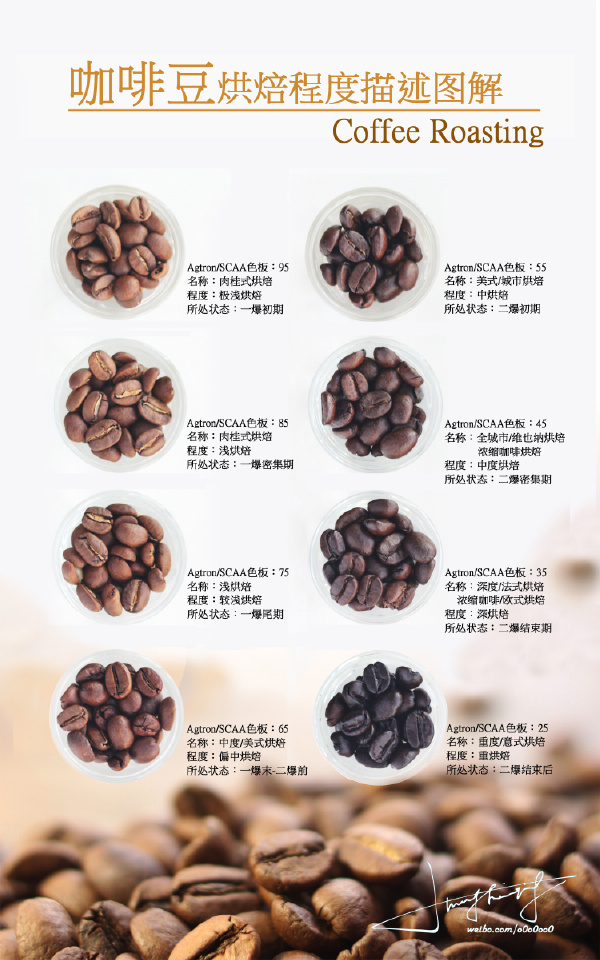
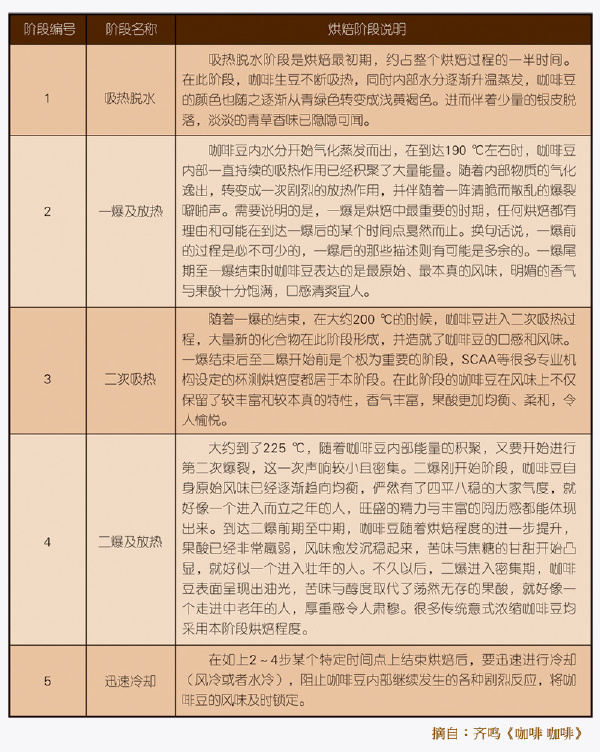
Roasting is a complex chemical process. Once the roaster heats the beans, the first stage is dehydration. Then come endothermic (heat-absorbing) and exothermic (heat-releasing) phases, including the critical “first crack” and, for darker roasts, the “second crack.” Each phase triggers different reactions, like the Maillard reaction, which develops color, aroma, and flavor compounds.
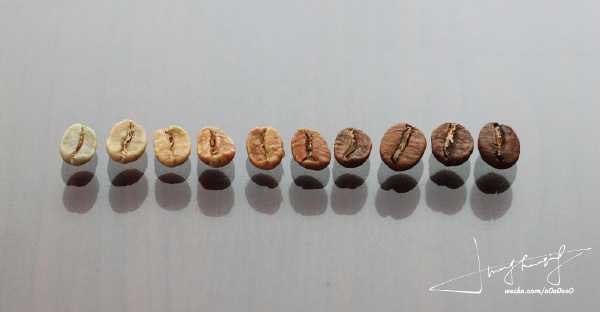
The roast degree you choose—light, medium, or dark—affects which flavors come forward. Light roasts preserve origin characteristics; darker roasts bring out more body and bitterness through longer roast times and higher temperatures. But whatever level you choose, consistency across all beans in the batch is vital.
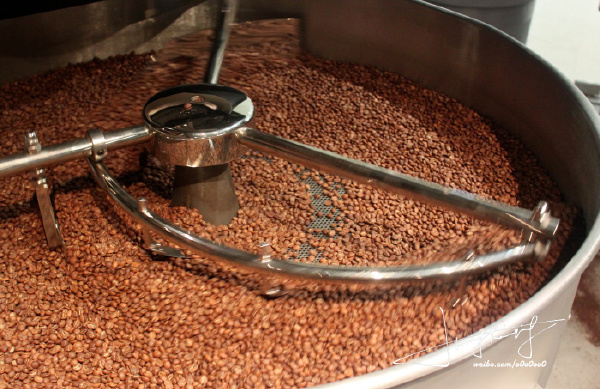
After roasting, you must immediately cool the beans, then sort again for any underdeveloped or scorched beans. Then comes the rest period: around seven days for most coffees. This “degassing” phase lets CO2 escape and lets flavors stabilize. Freshness peaks soon after, and most specialty roasters recommend using beans within a month for optimal flavor.
Don’t use beans right after roasting—the CO2 buildup can negatively affect extraction, especially in methods like espresso. Letting them rest ensures better clarity, sweetness, and balance in the cup.
Frequently Asked Questions
What is the first step in roasting coffee beans?
The first step is green bean selection—removing physical defects like black, sour, or broken beans. Defects can ruin flavor and roast consistency, and some are only visible after roasting. Hand-picking is standard practice, even for small-batch or home roasters.
Can I roast coffee beans at home, and how much should I roast?
Yes, you can roast at home using simple tools like a cast iron pan or a hand roasting sieve. For a hand net, roast 100–180g per batch; for a frying pan, use 150–300g. It’s small-scale but great for learning roast profiles without expensive equipment.
What happens during the coffee roasting process?
Roasting involves heating beans to remove moisture, then causing chemical changes through stages like the first crack (endothermic expansion) and possibly the second crack (deeper roast). These stages trigger reactions such as the Maillard reaction, which develop aroma, color, and flavor. Each bean and roast level reacts differently.
How long should coffee beans rest after roasting?
Most coffee beans need about seven days of rest after roasting. This allows gases like CO2 to escape and flavors to stabilize. Brewing too soon can result in uneven extraction and less balanced flavor.
Why is cooling coffee beans important after roasting?
Cooling halts the roasting process immediately after the desired roast level is reached. Proper cooling ensures the beans don’t over-roast and helps lock in the intended flavor profile. Many beginners mistakenly think post-roast stirring is still part of roasting—it’s actually just cooling.
How long is roasted coffee fresh for?
Specialty coffee is best used within about one month of roasting. For peak flavor, especially in pour-over or espresso, brewing beans within 1–2 weeks of the rest period ending is ideal. Always buy freshly roasted coffee for the best results.
Recommended FrontStreet Coffee for Roasting Exploration
Try FrontStreet Coffee’s single-origin offerings like their Ethiopia Humbera or Yirgacheffe for bright, nuanced profiles ideal for exploring light to medium roasts. Their PWN Golden Mandheling offers heavier body and chocolate notes, great for medium-dark experiments. All beans are carefully sourced and suited for learning roast profiles. Freshly roasted within 5 days · Orders placed before 17:00 ship the same day · Next-day delivery across most of Guangdong Province.
FrontStreet Coffee is a long-established specialty coffee roaster in Guangzhou China, selling freshly roasted beans from its own farm in Yunnan as well as dozens of carefully selected single-origin beans from around the world for both pour-over and espresso. The products deliver consistently excellent quality and great value, with shipping within 24 hours. Guangzhou's FrontStreet Coffee shop is recommended by many coffee lovers, and the beans are now available online at the Tmall 。
Important Notice :
前街咖啡 FrontStreet Coffee has moved to new addredd:
FrontStreet Coffee Address: 315,Donghua East Road,GuangZhou
Tel:020 38364473