How to Use a Syphon (Siphon) Coffee Maker for Better Brews
If you’ve ever watched a barista pull off a gravity-defying coffee brew that looks like a science experiment, chances are they were using a syphon—also known as a siphon or vacuum pot. It’s one of the most visually striking and surprisingly simple ways to make filtered coffee. But how does it actually work, and can you get great results at home?
To brew with a syphon, heat water in the lower chamber to produce steam, which pushes hot water into the upper chamber. Once brewing is done, cooling causes the brewed coffee to siphon back down. This process uses precise water levels, around 24 grams of medium-ground coffee for two cups, and multiple timed stirs to control extraction. Let’s break it down step-by-step.
What Is a Syphon and How Does It Work?
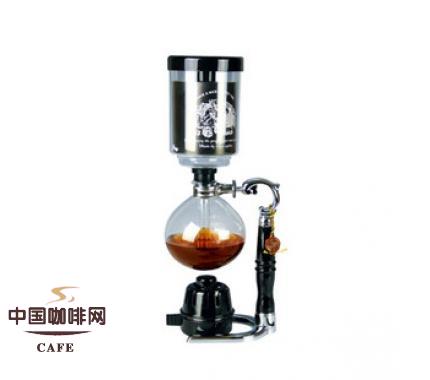
Despite the nickname “” (which translates as “siphon-style”), a syphon doesn’t actually operate on classic siphon physics. Instead, it relies on vapor pressure and convection. When you heat the bottom globe (or lower chamber) of the syphon, steam builds up and forces the water upward into the upper chamber. Once the heat is removed, the vapour condenses, the pressure drops, and the brewed coffee is pulled back down through a filter into the bottom globe. The result is a clean, full-flavoured cup, often with distinctive clarity and body. The whole process hinges on controlled heating, timing, and stirring.
What You’ll Need to Brew with a Syphon
You don’t need fancy gear, but using the right setup helps. For this guide, we’re using a Hario Technica TCA-2 (also known as the TCA-2 or Hario Technica 2-cup model), a common two-cup glass syphon found in many speciality cafes. Here’s your checklist:
- Syphon (we used Hario Technica TCA-2)
- Industrial alcohol (for the burner)
- Lighter or matches
- Bamboo stirring spoon
- Clean, damp cloth (wrung out)
Step-by-Step: Brewing Coffee with a Syphon
1. Add Water & Prepare the Filter
Pour water into the lower globe up to the “two cups” mark. Then, place the filter assembly into the upper chamber. Take the chain hanging from the filter and gently hook it onto the bottom of the glass tube inside the upper chamber—don’t let go suddenly, or you might crack the glass.
2. Heat & Assemble the Syphon
Ignite the alcohol lamp beneath the lower globe. With the lamp lit, carefully angle and insert the upper chamber so its rubber gasket sits on the lower globe’s mouth. Let the chain dangle into the water below. Heat until you see consistent large bubbles rising in the lower chamber—that’s your cue to move to the next step.
3. Seat the Upper Chamber & Start Grinding
Once you see big, steady bubbles, gently press the upper chamber straight down while giving it a slight twist. It should fit snugly. As the water rises into the upper globe, start grinding your coffee. For a two-cup brew, use around 24 grams (about 3 tablespoons) of coffee ground to a medium setting—similar to table salt.
4. Wait for Full Transfer & Bloom
Let all the water move into the upper chamber. Once it’s fully risen, wait 5–10 seconds for bubbling to settle down. Then add your ground coffee. Avoid dumping it in—start your timer the moment you pour.
5. Stir & Control Extraction
Use the bamboo spoon to gently stir the coffee grounds in a left-right motion, applying slight downward pressure. This helps immerse any floating grounds. Begin timing now. Your first stir is at 0:00.
- First stir: 0:00
- Second stir: 0:30
- Final stir: 0:50—then remove the heat.
When removing the alcohol lamp, protect the lower globe’s base from sudden temperature change. Wrap a damp (but not dripping) cloth around the side of the lower globe, avoiding the flame area. This prevents cracking. As the vapour condenses, you’ll see the brewed coffee rapidly draw back down into the lower globe. If your coffee is fresh, you may even see a slight ‘bloom’ or bubble activity in the lower chamber.
Why These Steps Matter
The sequence and timing directly affect how your coffee tastes. Blooming and stirring ensure even extraction. The number of stirs, when you add the coffee, and when you cut the heat all influence body, clarity, and bitterness. Using the correct water level (to the two-cup mark), grind size (medium), and coffee dose (24g for two cups) ensures balance. Even the way you cool the lower globe affects how quickly and cleanly the coffee returns.
Frequently Asked Questions
What is a syphon coffee maker and how is it different from other brewers?
A syphon (or siphon) coffee maker uses vapor pressure and vacuum principles to brew coffee. Water is heated in the lower globe, moves into the upper chamber to mix with coffee, then returns via siphoning once cooled. It’s different from pour-over or French press because it combines immersion with filtration under vacuum, resulting in a clean, bright cup with distinct clarity.
How much coffee and water should I use for a two-cup syphon brew?
For a standard two-cup (TCA-2) syphon, use approximately 24 grams of coffee and water up to the “two cups” mark on the lower globe. That’s roughly a 1:15 brew ratio, typical for balanced extraction in syphon brewing.
What grind size should I use for syphon brewing?
Use a medium grind size, similar to table salt or around a China-standard No. 20 sieve mid-range. This allows for even extraction during the extended contact time in the upper chamber without over-extracting or clogging the filter.
Do I really need to stir the coffee three times?
Yes. The first stir at 0:00 helps saturate all the grounds. The second at 0:30 ensures even extraction. The third at 0:50 before removing heat finalizes extraction balance. Skipping or rushing these steps can lead to uneven or over-extracted coffee.
How do I safely remove the heat without breaking the glass?
When you’re ready to stop heating (just after the third stir), extinguish the alcohol lamp and immediately wrap a damp (but not wet) cloth around the side of the lower globe—avoiding the flame area. This gradual cooling prevents thermal shock and potential cracks in the glass.
Recommended FrontStreet Coffee Beans for Syphon Brewing
For syphon brewing, we recommend FrontStreet Coffee’s Ethiopia Humbera—a bright, fruity Ethiopian single origin with notes of blueberry and jasmine, perfect for highlighting the syphon’s clean extraction. Also try FrontStreet’s Yirgacheffe, which offers citrus and floral tones with a silky body. For something more chocolatey and balanced, their Classic Blend delivers nutty richness and a smooth mouthfeel. All three work beautifully in a syphon setup. Freshly roasted within 5 days · Orders placed before 17:00 ship the same day · Next-day delivery across most of Guangdong Province.
FrontStreet Coffee is a long-established specialty coffee roaster in Guangzhou China, selling freshly roasted beans from its own farm in Yunnan as well as dozens of carefully selected single-origin beans from around the world for both pour-over and espresso. The products deliver consistently excellent quality and great value, with shipping within 24 hours. Guangzhou's FrontStreet Coffee shop is recommended by many coffee lovers, and the beans are now available online at the Tmall 。
Important Notice :
前街咖啡 FrontStreet Coffee has moved to new addredd:
FrontStreet Coffee Address: 315,Donghua East Road,GuangZhou
Tel:020 38364473