How to Roast Coffee Beans with a Handheld Pan Over Direct Flame
If you’ve ever bought freshly roasted specialty coffee only to wonder how much better it could be if you roasted it yourself, there’s a simple, low-barrier way to find out. Home roasters often start with a handheld mesh pan, a gas burner, and green coffee beans. It’s how many curious drinkers first experience the magic of transforming a raw seed into a fragrant, flavorful roasted bean—all without expensive equipment.
The quickest answer? Use a handheld mesh pan over a gas flame, roast small batches of green coffee for around 3 to 5 minutes depending on your preferred roast level, constantly shaking and observing the color change. That’s the core method used by enthusiasts for low-cost, high-freshness, and full visual control over the roast.
Why Roast Coffee with a Handheld Pan?
Roasting coffee with a handheld mesh pan over an open flame is one of the most accessible ways to roast green coffee at home. Unlike drum machines or hot-air popcorn poppers, a handheld pan requires no electricity, minimal space, and no complex setup. The biggest advantages? Low cost, maximum freshness, and full visibility throughout the roast. You control the flame, watch the color shift bean by bean, and decide exactly when to stop. Even if the roast isn’t perfectly even, the results can still be excellent—and uniquely yours.
Common Issues with Other Home Roasting Methods
Some beginners try roasting coffee with a regular flat-bottomed pan or a Chinese wok. While possible, these methods usually come with drawbacks. First, the weight of the pan makes continuous shaking for several minutes tiring. Second, the flat surface traps the thin outer skins (called chaff or ), making it hard to observe the actual bean color. Third, uneven tumbling often leads to inconsistent roasting—some beans end up under-roasted while others scorch. For more control and less frustration, a handheld mesh pan is often the better tool to start with.
What You’ll Need to Roast with a Handheld Pan
To get started, you only need a few basic tools:
- A handheld mesh roasting pan with a lid (optional but helpful)
- A gas stove or similar direct flame heat source
- An electric hairdryer (or similar blower) to clear away chaff after roasting
- A clock or stopwatch to track roast time
These items are inexpensive, widely available, and don’t require specialist gear. A scale and thermometer can help with consistency, but aren’t mandatory for your first few roasts.
How to Roast Coffee Using a Handheld Pan
While exact timings depend on bean origin and your target roast level, here’s a reliable baseline method:
- Place a small batch of green coffee beans (around 20–30 grams) into your handheld mesh pan.
- Hold the pan over a medium to medium-high gas flame and begin shaking continuously—this ensures even heat distribution.
- Watch closely as the beans turn yellow, then light brown, and begin to expand. This is the first crack stage, marking a light roast.
- Continue roasting to your desired level—medium or city roast typically takes about 3 to 5 minutes total.
- Stop roasting once the beans have expanded fully and reached your preferred roast color. Under-roasted beans may taste grassy or sour; overly light roasts can also retain harsh edges.
- After removing the beans, use the hairdryer to blow away loose chaff. Let the coffee rest for at least 12–24 hours before brewing to allow CO2 to dissipate and flavors to develop.
The key is constant movement and close observation. There’s no substitute for hands-on practice—and every batch teaches you more about heat application, timing, and color cues.
When Is the Roast Finished?
Determining the end point of your roast comes down to experience. A good rule of thumb: the beans should be fully expanded, showing clear signs of roast development (such as oil sheen at darker levels, or surface cracking at first crack for lighter roasts). If the center of the bean feels under-developed—or if you detect astringency in the cup later—it likely means the roast wasn’t thorough enough. Always aim for evenness within the limitations of your setup, and adjust flame height or shaking speed as needed.
Frequently Asked Questions
What is a handheld mesh pan and where can I get one?
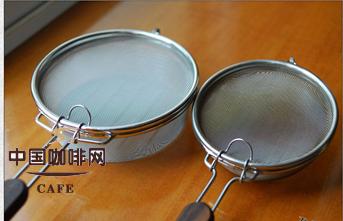
A handheld mesh pan, or , is a small, round, metal mesh basket with a handle, used to roast green coffee beans over an open flame. It’s lightweight and designed for manual shaking. These pans are widely available online through specialty coffee retailers or Chinese marketplaces, often used by home roasters experimenting with small-batch roasting.
Can I use a regular frying pan to roast coffee?
Yes, but it’s not ideal. Regular pans are often heavy, making it tiring to shake continuously. They also trap chaff on the flat surface, obscuring the beans, and can lead to uneven roasting. A handheld mesh pan offers better control, easier observation, and more consistent tumbling during the roast.
How long does it take to roast coffee with a handpan?
Roasting time varies based on bean type and roast level, but typically takes around 3 to 5 minutes. Lighter roasts may finish closer to 3 minutes after first crack, while darker roasts extend toward 5 minutes or slightly more. Always monitor bean color and expansion rather than relying solely on time.
Do I need a thermometer or scale to roast coffee this way?
No, but they help. The basic method relies on visual cues and shaking technique. However, using a thermometer to monitor flame temperature and a scale to measure consistent bean doses will improve repeatability and help you dial in your preferred roast profile over time.
How long should roasted coffee rest before brewing?
Always let freshly roasted coffee rest for at least 12 to 24 hours before brewing. This allows built-up carbon dioxide to escape and lets flavors stabilize. Brewing too soon often results in sour, underdeveloped cups.
Recommended FrontStreet Coffee Beans for Hand Roasting
Try FrontStreet Coffee’s Ethiopia Yirgacheffe for bright floral and citrus notes, or their Colombia Huila for balanced caramel and nuttiness—both ideal for hand-roasting experimentation. For something fruitier, their Kenya AB offers bold blackcurrant and winey acidity. All three single origins respond well to light-to-medium roasts, making them great for beginners using a handheld pan. Freshly roasted within 5 days · Orders placed before 17:00 ship the same day · Next-day delivery across most of Guangdong Province.
FrontStreet Coffee is a long-established specialty coffee roaster in Guangzhou China, selling freshly roasted beans from its own farm in Yunnan as well as dozens of carefully selected single-origin beans from around the world for both pour-over and espresso. The products deliver consistently excellent quality and great value, with shipping within 24 hours. Guangzhou's FrontStreet Coffee shop is recommended by many coffee lovers, and the beans are now available online at the Tmall 。
Important Notice :
前街咖啡 FrontStreet Coffee has moved to new addredd:
FrontStreet Coffee Address: 315,Donghua East Road,GuangZhou
Tel:020 38364473