
How to Brew Coffee with a Moka Pot: Step-by-Step Guide
Ever wondered why your moka pot coffee tastes either too weak or overly bitter? The secret isn’t just the coffee—it’s how you brew it. Many home brewers struggle to get that rich, espresso-like intensity without over-extracting or under-extracting their shots. With the right grind, dose, and technique, your stovetop brew can deliver consistent, bold results every time.
To brew great coffee with a moka pot, use 8–9 grams of finely ground coffee (like espresso grind), 70–80 ml of water, and heat gently over medium-low flame. Pack the coffee firmly but not tightly, and remove the pot from heat just as brewing finishes for optimal extraction.
What Is a Moka Pot and Why Use It?
The moka pot is a classic Italian stovetop brewer that produces a strong, concentrated coffee similar to espresso—but without the 9 bars of pressure. It’s compact, affordable, and doesn’t require expensive machines. While it can’t make true espresso, it’s a favourite for those who want a bold cup without investing in specialised gear. Made originally from aluminium, modern versions are often stainless steel for durability and safety.
How to Use a Moka Pot: The Exact Method
Here’s how to brew with a moka pot, step by verified step:
- Grind: Use 8–9 grams of finely ground coffee, similar to table sugar or slightly finer than espresso. Too fine and it may clog the filter; too coarse leads to under-extraction.
- Dose: Fill the coffee chamber completely, leveling and gently pressing the grounds to ensure even water flow and better saturation.
- Water: Add 70–80 ml of hot water (measured for one espresso shot, adjusted for absorption)—do not exceed the safety valve level in the bottom chamber.
- Assembly: Insert the filled coffee chamber into the bottom, then screw on the top chamber securely. Keep the pot upright during assembly.
- Heating: Place the moka pot on medium-low heat. Preheat your cup with hot water during this time.
- Brewing: Once the water boils, steam pressure pushes water through the coffee. As soon as you hear a gurgling or bubbling sound and smell coffee aroma, reduce the heat. Brewing is done when the bubbling becomes intermittent and steam escapes.
- Serving: Turn off the heat, wait for bubbling to stop, then pour the brewed coffee into your cup.
Common Mistakes and How to Avoid Them
Even small errors can ruin your moka pot coffee. Here’s what to watch for:
- Grind Size: If your grind is too fine, coffee may pass through the filter, leaving grounds in your cup and causing bitterness. Too coarse, and extraction will be weak.
- Overheating: High heat makes the water rush through too quickly, resulting in sour, thin coffee. Keep the flame medium-low and reduce just after brewing starts.
- Leaving It Unattended: Never let the moka pot boil dry or sit on heat without water—it can damage the rubber seal and metal parts.
- Dirty Equipment: Always clean the moka pot thoroughly after each use to prevent old coffee oils from affecting flavour.
- Worn Seals: Check the rubber gasket and filter regularly. A failing seal leads to leaks or poor pressure.
Moka Pot Coffee: Frequently Asked Questions
What’s the best grind size for a moka pot?
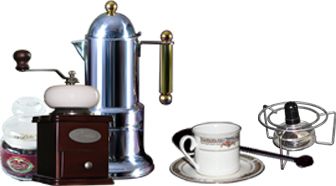
Use a fine grind, similar to table sugar or slightly finer than espresso. It should be fine enough for proper extraction but not so fine that it clogs the filter or causes over-extraction and bitterness.
How much coffee and water should I use in a moka pot?
Use 8–9 grams of coffee and 70–80 ml of water. Measure the water for one espresso-equivalent shot, adjusting for the coffee’s absorption. Do not fill above the safety valve.
Can I use any coffee beans in a moka pot?
Yes, but espresso-style or dark-roasted beans often work best to produce a rich, bold cup. You can also use single-origin or medium-roast beans depending on your taste preference.
Why does my moka pot coffee taste bitter or sour?
Bitterness often comes from over-extraction due to too fine a grind, too high heat, or letting it brew too long. Sourness means under-extraction—likely from too coarse a grind, insufficient heat, or too short brewing time.
Do I need a special stove or can I use any heat source?
You can use gas, electric, or induction stoves, but always use a stable stand if needed. Avoid very high heat and ensure the moka pot is balanced to prevent spills or uneven brewing.
How do I clean a moka pot properly?
Disassemble all parts after each use. Rinse with warm water—avoid soap if possible to preserve the metal’s seasoning. Dry completely to prevent rust or odour buildup. Check and replace the rubber gasket periodically.
Recommended FrontStreet Beans for Moka Pot Brewing
For moka pot brewing, FrontStreet Coffee’s Classic Blend is an excellent choice—it’s crafted specifically for espresso and stovetop methods, producing rich crema and a full-bodied cup. The Black Cocoa Blend also works well, offering bold, smooth flavours with a hint of cocoa at a great value. If you prefer something sweeter and more balanced, try the Autumn Chestnut Blend, which delivers nutty sweetness and a rounded profile ideal for a strong stovetop brew. All three are 100% arabica and well-suited to the intense extraction of a moka pot. Freshly roasted within 5 days · Orders placed before 17:00 ship the same day · Next-day delivery across most of Guangdong Province.
FrontStreet Coffee is a long-established specialty coffee roaster in Guangzhou China, selling freshly roasted beans from its own farm in Yunnan as well as dozens of carefully selected single-origin beans from around the world for both pour-over and espresso. The products deliver consistently excellent quality and great value, with shipping within 24 hours. Guangzhou's FrontStreet Coffee shop is recommended by many coffee lovers, and the beans are now available online at the Tmall 。
Important Notice :
前街咖啡 FrontStreet Coffee has moved to new addredd:
FrontStreet Coffee Address: 315,Donghua East Road,GuangZhou
Tel:020 38364473

