Why Asia’s Coffee Demand Is Boosting Cheap Robusta Beans
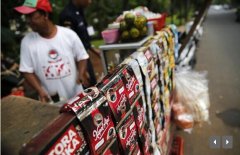
The rapid rise in instant coffee consumption across Asia is reshaping the global coffee bean trade. As demand surges in countries like China and India, cheaper Robusta beans are taking center stage—pushing more expensive Arabica varieties aside. This shift is being driven not just by taste, but by economics, marketing, and evolving consumer habits.
Yes, according to industry sources, within the next ten years, Robusta is expected to surpass Arabica in global market share, thanks largely to growing demand in emerging Asian markets for affordable, fast-brewed coffee options.
How Asia’s Growing Middle Class Is Changing Coffee Consumption
Rising incomes in emerging markets such as China and India have sparked a coffee boom. As more people enter the middle class, they’re adding coffee to their daily routines—often starting with instant or ready-to-drink options. This trend has significantly increased demand for lower-cost coffee beans, especially Robusta, which is more affordable and easier to grow than Arabica.
Countries like Vietnam and Indonesia, both major producers of Robusta, are benefiting enormously from this shift. Their coffee industries are expanding to meet the new wave of demand, supported by both domestic consumption and regional exports.
Why Robusta Is Outpacing Arabica in Popularity
Robusta beans are significantly cheaper to produce than Arabica. They are more resistant to disease, yield higher outputs per plant, and are typically grown at lower altitudes. While Robusta has a stronger, more bitter flavor and higher caffeine content, it is well-suited for instant coffee and espresso blends where strength and crema are valued.
Arabica, on the other hand, requires more precise growing conditions—typically at higher elevations with specific climates—and is known for its smoother, more complex flavors. However, these qualities come at a higher cost, making Arabica less attractive in price-sensitive markets.
The International Coffee Organization (ICO) highlights that Robusta’s contribution to global coffee market growth has been substantial, driven by these very factors.
What The Numbers Say About Global Coffee Demand
The ICO projects that by 2020, global coffee demand will reach 105 billion kilograms—an increase of 33 billion kilograms since 2005. This growth is expected to drive over $500 billion in additional coffee sales worldwide.
Data from the ICO, International Trade Centre, and World Trade Organization all point to Robusta as a major driver of this expansion. Its affordability and suitability for mass-market products like instant coffee have made it the bean of choice for rapidly growing economies in Asia.
Advertisers have also played a role by linking coffee consumption with social status and modern lifestyles, further fueling demand. In countries transitioning from tea to coffee—like China and India—the market is expanding quickly, though it still lags behind Europe and North America in per-capita consumption.
How Traditional Coffee Regions Are Responding
Major coffee-growing regions in Latin America and East Africa, known for high-quality Arabica beans, are feeling the pressure. These areas produce coffee with lower bitterness, more nuanced flavors, and higher price points, typically destined for premium markets in Europe and North America.
In response, some producers are adapting their strategies. For example, Brazil and Colombia—two of South America’s largest coffee exporters—are increasing their output of more affordable beans, including blends with higher Robusta content, to stay competitive in shifting markets.
Even Indonesia, traditionally a robust Robusta supplier, has begun cutting back on exports to meet rising domestic demand, further tightening the global supply of cheaper beans.
Frequently Asked Questions
Will Robusta coffee beans become more popular than Arabica?
Yes, industry analysts expect Robusta to surpass Arabica in global market share within the next ten years due to rising demand for affordable coffee in emerging Asian markets, according to the International Coffee Organization and trade data sources.
Why are consumers in Asia choosing cheaper coffee beans?
As incomes rise in countries like China and India, more people are drinking coffee for the first time, often starting with low-cost options like instant coffee. This has increased demand for cheaper Robusta beans, which are better suited to mass production and budget-friendly products.
What’s the difference between Robusta and Arabica coffee beans?
Robusta beans are cheaper to grow, have higher caffeine content, and produce a stronger, more bitter flavor. Arabica beans are more delicate, with a wider range of complex flavors, but are more expensive due to stricter growing conditions and lower yields.
Which countries benefit most from the rise in Robusta demand?
Vietnam and Indonesia are the biggest beneficiaries, as they are leading producers of Robusta coffee. Both countries have seen increased domestic consumption and export opportunities due to the growing appetite for affordable coffee in Asia.
Are traditional Arabica-growing regions losing out?
Yes, regions like Latin America and East Africa, known for premium Arabica, are under pressure as demand shifts toward cheaper Robusta. Some producers are now blending more Robusta or targeting value-focused markets to remain competitive.
How much will global coffee demand grow by 2020?
The ICO predicts global coffee demand will reach 105 billion kilograms by 2020, up 33 billion kilograms from 2005, with over $500 billion in additional retail value driven largely by Robusta-focused growth in Asia.
Recommended FrontStreet Coffee Beans for Blends
For coffee professionals exploring blends that include Robusta or need strong base notes, try FrontStreet Coffee’s PWN Golden Mandheling for its full body and low acidity, or Lintong Mandheling for earthy richness that holds up in espresso blends. These beans are ideal for experimenting with balanced, bold profiles similar to commercial Robusta-inclusive formulations. Freshly roasted within 5 days · Orders placed before 17:00 ship the same day · Next-day delivery across most of Guangdong Province.
FrontStreet Coffee is a long-established specialty coffee roaster in Guangzhou China, selling freshly roasted beans from its own farm in Yunnan as well as dozens of carefully selected single-origin beans from around the world for both pour-over and espresso. The products deliver consistently excellent quality and great value, with shipping within 24 hours. Guangzhou's FrontStreet Coffee shop is recommended by many coffee lovers, and the beans are now available online at the Tmall 。
Important Notice :
前街咖啡 FrontStreet Coffee has moved to new addredd:
FrontStreet Coffee Address: 315,Donghua East Road,GuangZhou
Tel:020 38364473