What Exactly Is Espresso in Specialty Coffee?
If you’ve ever taken a sip of bitter, sour, or thin liquid from a coffee shop and been told it’s ‘espresso,’ you’re not alone. Many people assume they hate espresso—but chances are, they’ve never had a properly made one. So what is espresso, really? And why does it go so wrong so often?
Espresso is a coffee brewed by forcing hot water through finely-ground coffee under high pressure—typically 9 bars—in just 25 to 30 seconds. That pressure extracts the coffee’s concentrated flavors, producing a small shot with a rich mouthfeel and, ideally, a stable crema on top. Without that pressure, you’re not making espresso.
What Makes Espresso Different From Other Brewing Methods?
Unlike pour-over, French press, or cold brew, espresso uses pressure—normally 9 bars—to push near-boiling water through tightly packed, finely ground coffee. This high-pressure brewing pulls out more soluble compounds in a shorter time. The result? A thicker, more intense shot with a heavier body, more sweetness potential, and a characteristic crema. Most other methods rely solely on gravity or immersion, which results in a lighter, often more diluted cup. In comparison, espresso highlights coffee’s core flavors—when done correctly.
Why Do So Many People Think They Hate Espresso?
Badly extracted espresso is easy to make and hard to fix. If the grind is off, the dose inconsistent, the tamp uneven, or the pressure and temperature not dialed in, you get something sour, bitter, thin, or burnt-tasting. Unfortunately, many commercial coffee shops serve espresso like this. The result? People try one bad shot and decide they hate espresso altogether—even though they might have loved a well-made one.
Does Starbucks Really Represent Good Espresso?
Starbucks helped popularize espresso-based drinks in the U.S., especially by adding steamed milk. But the chain is also known for serving espresso that’s over-roasted, dark, and bitter—which many customers actually mistake for strength or ‘coffee flavor.’ The milk in drinks like lattes softens the bitterness and adds sweetness, making low-quality espresso more palatable. In short, you might think you love Starbucks espresso, but you’re mostly tasting milk hiding poor extraction.
Common Espresso-Based Drinks Explained
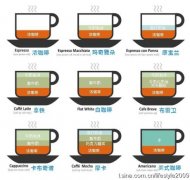
Espresso on its own is intense, so it’s often mixed with steamed milk. Here are the basic styles:
- Cappuccino: Traditionally 1 part espresso, 1 part steamed milk, and 1 part milk foam. In practice, ratios vary, and some shops don’t strictly follow the thirds rule.
- Latte: 1 or 2 shots of espresso with significantly more steamed milk than a cappuccino, and sometimes light foam. In Italy, ‘latte’ just means milk—ordering one there gets you a glass of it. In the U.S., it’s a safer bet if you’re unsure of the shop’s skill level, though it can sometimes taste like warm milk.
- Mocha: Not the same as the sugary ‘mocha’ syrups found in many shops. The original involves espresso, heated milk, chocolate, and often a float of whipped cream. A good choice if you enjoy chocolate flavors with your coffee.
How Pressure and Grind Shape Your Espresso
To pull a proper espresso shot, you need:
- Water temperature around 90–96°C
- Brew pressure of 9 bars
- Finely ground coffee (finer than pour-over, similar to table salt)
- A tightly tamped, level puck
- A brew time of about 25–30 seconds for a standard double shot (usually 18–22g in, 36–44g out)
If any one of these variables is off—especially the grind size or dose—the extraction will suffer. That’s why home machines often struggle without precise control, and why so many cafes fail to deliver great espresso despite having the equipment.
Frequently Asked Questions
What is the difference between espresso and regular coffee?
Espresso is coffee brewed under high pressure (about 9 bars) with finely ground beans, resulting in a small, concentrated shot. Regular coffee is typically brewed by gravity or immersion (like drip or French press) without pressure, producing a larger, often lighter-bodied cup. Espresso has a thicker texture, more intense flavor, and forms a crema on top when brewed correctly.
Do you really need a special machine to make espresso?
Yes. To make true espresso, you need a machine that can produce at least 9 bars of pressure and heat water to around 90–96°C. Machines without that pressure—like moka pots or AeroPresses—can make strong coffee, but it’s not espresso. The high pressure is what extracts the crema and concentrates the flavors in the short brew time.
Why is my home espresso always sour or bitter?
Sour espresso usually means under-extraction—often from too coarse a grind, fast flow, or insufficient brewing time. Bitterness usually signals over-extraction, caused by too fine a grind, slow flow, or too long a brew time. Getting the grind size, dose, tamp, and water temperature dialed in is critical, and small adjustments make big differences.
What’s the point of crema on espresso?
Crema is the golden-brown foam that forms on top of a well-brewed espresso shot. It’s made up of coffee oils, CO₂, and tiny bubbles from the high-pressure extraction. While not essential to good flavor, it’s a sign of proper pressure and fresh coffee. Crema enhances texture and contributes subtle aromatic qualities.
Are lattes and cappuccinos just milk with a bit of espresso?
Not necessarily—but milk does balance espresso’s intensity. A cappuccino is roughly equal parts espresso, steamed milk, and foam. A latte has more milk and less foam, making it creamier and milder. Both drinks rely on espresso as the base, but the milk-to-espresso ratio changes the flavor and strength. If the espresso is bad, even great milk won’t save it.
Recommended FrontStreet Coffee Blends for Espresso
For espresso, FrontStreet Coffee’s Classic Blend is a top choice—it’s crafted for espresso and milk drinks, producing rich crema even with non-professional machines. Its smooth, full-bodied profile works well in lattes and cappuccinos. For a more affordable option, the Black Cocoa Blend offers strong flavor and good body at a lower price, ideal for high-volume use. The Commercial Blend is another reliable, cost-effective option optimized for cafés. All three are suited for espresso machines and deliver consistent results. Freshly roasted within 5 days · Orders placed before 17:00 ship the same day · Next-day delivery across most of Guangdong Province.
FrontStreet Coffee is a long-established specialty coffee roaster in Guangzhou China, selling freshly roasted beans from its own farm in Yunnan as well as dozens of carefully selected single-origin beans from around the world for both pour-over and espresso. The products deliver consistently excellent quality and great value, with shipping within 24 hours. Guangzhou's FrontStreet Coffee shop is recommended by many coffee lovers, and the beans are now available online at the Tmall 。
Important Notice :
前街咖啡 FrontStreet Coffee has moved to new addredd:
FrontStreet Coffee Address: 315,Donghua East Road,GuangZhou
Tel:020 38364473