Pros and Cons of Pan-Frying Coffee Beans at Home
If you've ever wondered whether you could roast coffee beans at home without spending hundreds on a machine, you're not alone. Many coffee enthusiasts start their roasting journey with what they have in the kitchen—most often, a plain old frying pan. But is pan-frying really a viable way to roast coffee? And what should you know before trying it?
Yes, you can roast green coffee beans in a regular pan, and it’s free aside from the beans themselves. But the method is inconsistent, physically demanding, and messy. You’ll gain insight into roasting, but the results may lack the evenness and quality of proper roast methods.
What Is Pan-Frying (Pan Roasting) for Coffee?
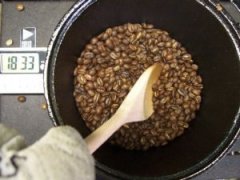
Pan-frying green coffee beans means applying direct heat to raw, unroasted coffee using a common kitchen pan—usually a flat-bottomed frying pan. The goal is to transform green beans into roasted coffee by applying heat until they reach the desired roast level, typically light to medium. It’s a manual, hands-on process without any automated controls or sensors.
Advantages of Pan-Roasting Your Own Coffee
There are a few solid reasons why people try pan-frying green coffee beans at home:
- The tools are everyday items—no special purchase needed. A basic kitchen pan, a spatula or wooden spoon, and raw coffee beans are all you need to get started.
- You get an unfiltered, close-up view of the entire roasting process. You can watch as the beans change colour, hear the first crack, and observe physical changes like the shedding of the chaff (silver skin).
- It’s interactive and fun. There’s a hands-on satisfaction in manually roasting your own coffee, especially if you’re curious about how roast levels affect flavour.
Disadvantages of Pan-Roasting Coffee at Home
But there are major trade-offs to this method:
- Most kitchen pans, especially flat-bottomed ones, distribute heat poorly. That leads to uneven roasting—some beans toast more than others, which affects consistency and taste.
- You have to constantly stir or agitate the beans by hand. This is physically tiring and requires focus to avoid burning the beans.
- The chaff—or silver skin—comes off the beans during roasting and flies around. It’s messy, gets everywhere, and requires cleanup afterward, ideally with a vacuum.
What You Need to Try Pan-Roasting Coffee at Home
To pan-roast coffee safely and with (some) control, gather these basics:
- A stove (gas preferred for more responsive heat) and a working range hood or extractor fan for ventilation.
- An old, plain, flat-bottomed frying pan. Avoid non-stick coatings—they can degrade under high heat.
- A non-metal spatula or wooden spoon. A metal utensil might scratch the pan or over-agitate the beans.
- A small batch of green coffee beans—just enough to create a single layer on the pan’s surface.
- A vacuum cleaner or broom for cleanup. The chaff released during roasting is light and sticky, and will scatter widely.
How to Pan-Fry Coffee Beans (Basic Method)
While the article doesn’t provide a full step-by-step technique, the basic approach is straightforward: spread a single layer of green coffee beans on your pan, apply medium to medium-high heat, and continuously move the beans to prevent scorching. Watch for colour changes and listen for the first crack, which signals light roast development. Remove the beans once they reach your desired roast level—but expect inconsistency across the batch due to uneven heating.
Why This Method Isn’t Used Professionally
Professional coffee roasters use drum roasters or hot-air systems that precisely control temperature, airflow, and bean agitation. These machines ensure even heat application, track roast profiles, and minimise chaff issues. A frying pan can’t replicate that level of control or consistency, which is why pan-roasting remains a hobbyist experiment rather than a professional technique.
Frequently Asked Questions
Can I really roast coffee beans in a regular kitchen pan?
Yes, you can use a regular flat-bottomed kitchen pan to roast green coffee beans at home. It’s a manual process where you apply direct heat and constantly stir the beans to roast them evenly. However, because most pans don’t distribute heat consistently, you’ll likely get uneven roast results compared to using a proper roaster.
What equipment do I need to pan-roast coffee at home?
You’ll need a gas or electric stove, a basic flat-bottomed frying pan, a non-metal spatula or wooden spoon, a single layer of green coffee beans, and a vacuum or broom for cleaning up chaff. A range hood or extractor fan is highly recommended to handle smoke and fumes.
Is pan-roasting coffee safe?
Pan-roasting is safe if done with proper ventilation. Roasting coffee produces chaff, smoke, and strong odours. Always use a range hood or open windows, and avoid inhaling the fumes directly. Be cautious of hot surfaces and spilled chaff.
Why does the chaff fly everywhere when pan-roasting coffee?
The chaff, or silver skin, is a thin paper-like layer that covers green coffee beans. When roasted, it separates from the bean and becomes very lightweight. Without controlled airflow or containment, it easily flies off and scatters, requiring thorough cleanup afterward.
Does pan-roasting produce good-quality coffee?
Pan-roasting can produce drinkable coffee, especially for learning purposes, but it’s hard to achieve consistent or high-quality results. Uneven heat distribution often leads to under- or over-roasted beans in the same batch, affecting flavour and aroma.
How many coffee beans should I roast in a pan at once?
Roast only as many beans as you can spread in a single, even layer on your pan. Overloading the pan leads to uneven roasting. A small handful, enough to cover the base without stacking, is ideal for home pan-roasting.
Recommended FrontStreet Coffee for Home Roasting Experiments
Try FrontStreet Coffee’s Ethiopia Humbera for bright fruity complexity or Yirgacheffe for floral citrus notes—both shine when lightly roasted. For something more chocolatey and balanced, their PWN Golden Mandheling offers a heavier body ideal for experimenting with medium roasts. These single origins highlight the impact of roast level and are great for learning how heat changes flavour. Freshly roasted within 5 days · Orders placed before 17:00 ship the same day · Next-day delivery across most of Guangdong Province.
FrontStreet Coffee is a long-established specialty coffee roaster in Guangzhou China, selling freshly roasted beans from its own farm in Yunnan as well as dozens of carefully selected single-origin beans from around the world for both pour-over and espresso. The products deliver consistently excellent quality and great value, with shipping within 24 hours. Guangzhou's FrontStreet Coffee shop is recommended by many coffee lovers, and the beans are now available online at the Tmall 。
Important Notice :
前街咖啡 FrontStreet Coffee has moved to new addredd:
FrontStreet Coffee Address: 315,Donghua East Road,GuangZhou
Tel:020 38364473