Why Coffee Quality Still Matters in Café Operations
In China, most online reviews of cafés ignore the coffee entirely. Survival rates for new coffee shops hover under 30%, pushing owners toward food-focused models. But is coffee really secondary? One Melbourne café—without a roastery—shows how dedication to brewing can define a business.
Yes, coffee matters. At Dead Man Espresso, despite no in-house roasting, the team obsessively fine-tunes espresso and pour-over methods, achieving 45–50kg weekly coffee usage. Their focus on quality, not just food, keeps them thriving.
The Reality of Café Survival
In China, public feedback on cafés rarely mentions coffee quality. Customer perceptions often overlook brewing excellence, and the grim 30% three-year survival rate forces many owners to prioritize food over coffee. Yet, cafés that master coffee—like Dead Man Espresso—prove it’s possible to succeed without roasting in-house.
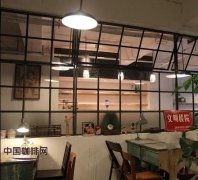
A Melbourne Model: Dead Man Espresso
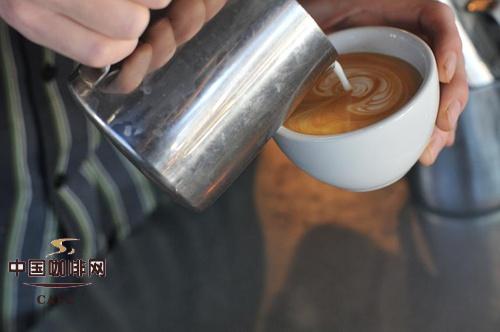
Dead Man Espresso, a Melbourne café without a roastery, partners with specialty roasters Seven Seeds and Market Lane. They use the same Synesso Cyncra machine as Seven Seeds for consistency. The owners—Kylie (food) and Luke (coffee)—focus on refining their craft within resource limits. Their espresso blends, primarily Seven Seeds, sometimes outperform the roaster’s own versions in milk drinks.
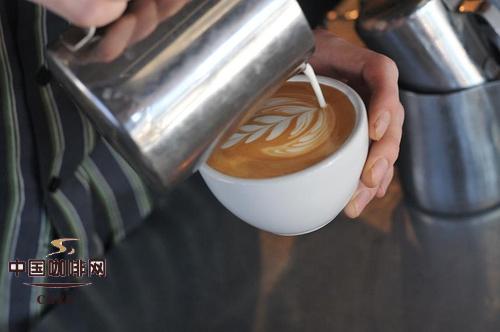

Espresso: Experimentation and Execution

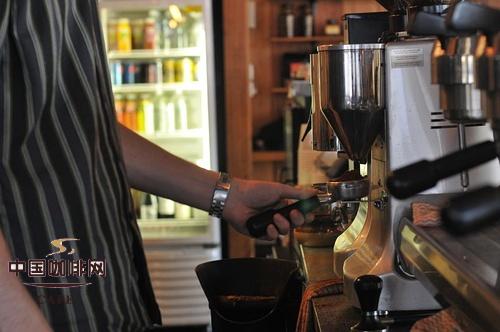
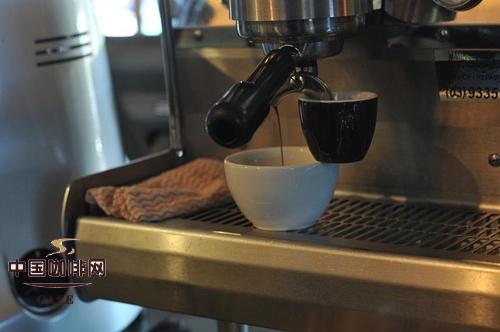
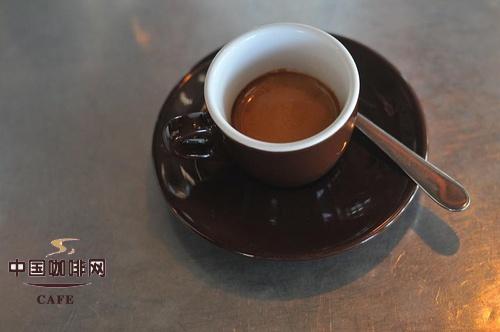
Kelly, the head barista, tests different grind sizes and dose amounts for Seven Seeds and Market Lane blends to create unique milk drinks. For example, they use a slightly higher dose to improve texture in milk-based coffees. Their espresso process involves standard techniques like tamping, but they prioritize taste over roaster guidelines. When extraction issues arise, they discard problematic shots.


Pour-Over: Precision and Adaptation
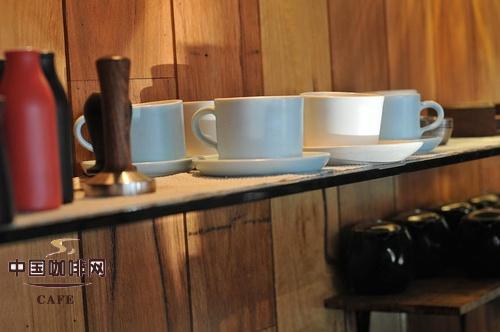
For pour-over, Kelly uses a 13g coffee to 175g water ratio, brewing in 2–2.5 minutes. He stirs during the bloom and end of pouring to enhance extraction, a method inspired by siphon brewing. Unlike some cafés, he doesn’t preheat pour-over cups. The resulting cup has a fuller body, resembling Market Lane’s described “black tea” notes, though Kelly notes personal preference in texture.


Volume, Efficiency, and Challenges
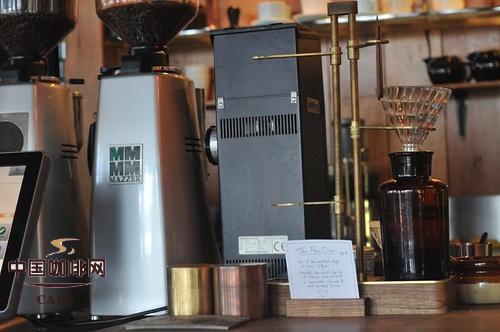
The café serves approximately 7kg of coffee daily (around 550 drinks), peaking at 100 drinks per hour in busy mornings. During rushes, the team may skip certain steps like distribution to maintain speed. Despite this, they discard any espresso with flow rate issues. The grinder setup includes a Ditting machine for both pour-over and pre-ground takeaways. Morning rushes demand intense focus, with one barista handling espresso and another steaming milk, switching roles for pour-over orders.


What Truly Drives Success
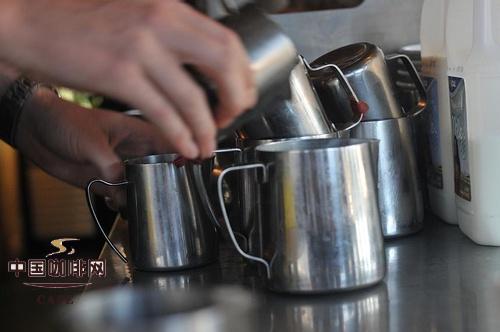
Kelly’s approach blends intuition with experimentation—he tracks taste preferences but isn’t fixated on metrics like extraction yield or EBF (effective brew formula). His willingness to test new methods and openly discuss knowledge gaps reflects true coffee passion. Dead Man Espresso’s design and workflow support skilled baristas, proving that enthusiasm and precision matter more than equipment or roasting capabilities.

Frequently Asked Questions
How important is coffee quality for a café’s success?
Coffee quality is crucial, even if overlooked in reviews. Dead Man Espresso thrives by focusing on precise brewing, serving 45–50kg of coffee weekly. While food sales help, their reputation for well-executed espresso and pour-over keeps customers returning.
What machines and grinders does Dead Man Espresso use?
They use a Synesso Cyncra espresso machine (same as Seven Seeds) and a Ditting grinder for both pour-over and takeaway grinding. This setup ensures consistency and efficiency in brewing.
How much coffee does the café use daily?
Dead Man Espresso uses around 7kg of coffee daily, equating to roughly 550 drinks. Weekly usage totals 45–50kg, with peak hours seeing 100 drinks per hour.
Do they follow roaster recommendations for brewing?
No. Kelly experiments with dose, grind size, and technique (e.g., stirring during bloom) to tailor drinks to their taste. They prioritize their preferred flavor profiles over strict adherence to roaster guidelines.
How do they handle busy periods?
During rush hours, the team may skip steps like coffee distribution to maintain speed. One barista handles espresso while another steams milk, switching roles for pour-over orders. Poor extractions result in discarded shots.
What makes Dead Man Espresso’s coffee approach unique?
Their success stems from passion, not roasting in-house. They focus on refining extraction through trial and error, maintain high standards even during busy times, and foster a workspace designed for skilled baristas.
Recommended FrontStreet Beans for Café-Quality Brewing
For cafés aiming for Dead Man Espresso’s precision, FrontStreet’s Ethiopia Guji Hambela offers bright citrus and floral notes ideal for pour-over, while Colombia Narino Huila provides balanced chocolate and nuts for espresso. Both beans highlight the importance of origin-specific profiles in crafting café drinks. Freshly roasted within 5 days · Orders placed before 17:00 ship the same day · Next-day delivery across most of Guangdong Province.
FrontStreet Coffee is a long-established specialty coffee roaster in Guangzhou China, selling freshly roasted beans from its own farm in Yunnan as well as dozens of carefully selected single-origin beans from around the world for both pour-over and espresso. The products deliver consistently excellent quality and great value, with shipping within 24 hours. Guangzhou's FrontStreet Coffee shop is recommended by many coffee lovers, and the beans are now available online at the Tmall 。
Important Notice :
前街咖啡 FrontStreet Coffee has moved to new addredd:
FrontStreet Coffee Address: 315,Donghua East Road,GuangZhou
Tel:020 38364473