
How to Roast Coffee Beans at Home Using a Frying Pan
Thinking about roasting your own coffee at home but don’t have a proper drum roaster? You’re not alone. Many coffee enthusiasts start small—and you can too, using something you already own: a regular kitchen frying pan. No need for expensive gear. Just follow the right steps, and you’ll be producing freshly roasted beans with control over your preferred roast level.
Yes, you can roast green (unroasted) coffee beans to a City or Full-City level using just a household frying pan on a gas stove. The entire roast process, from green to first or second crack, takes around 8–12 minutes depending on heat control and bean batch size.
Why Roast Your Own Coffee at Home?
Roasting your own coffee gives you freshness, control, and a deeper appreciation for how roast levels affect flavour. Store-bought roasted coffee can sit on shelves for weeks—or months. When you roast at home, you enjoy peak aroma and flavour within days of roasting. Plus, you decide exactly how light or dark your roast should be.
How Coffee Roasting Works (The Short Version)
Green coffee beans undergo physical and chemical changes during roasting. Initially, they lose moisture and turn yellow (caused by the Maillard reaction and initial heat exposure). As heat continues, they enter first crack—a key auditory signal that marks the beginning of light roast territory. Further roasting leads to second crack, where oils begin to surface, indicating a darker roast like Full-City or beyond. Each stage affects acidity, sweetness, body, and aroma.
Step-by-Step: Roasting Coffee Beans in a Frying Pan
Here’s exactly how to roast green coffee beans using a standard household gas stove and frying pan—no special equipment needed.
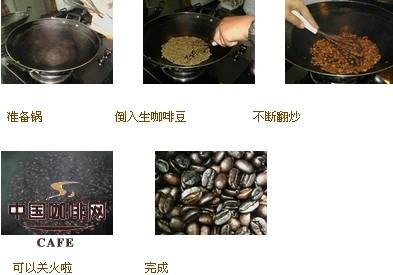
- 1. Prepare the pan: Spread a single layer of green coffee beans evenly across the bottom of a dry frying pan. Use a gas stove set to the lowest possible flame—not just the edge, but the whole burner at minimum output.
- 2. Begin stirring: Constantly stir the beans with a spatula. This prevents scorching and ensures even heat exposure. At this point, the beans are still bright green and begin releasing a grassy smell.
- 3. Colour shift to yellow: As water evaporates, the beans turn yellow. Continue stirring thoroughly so all beans roast evenly. Uneven movement leads to blotchy, poorly roasted beans.
- 4. Bread-like aromas emerge: The beans take on a yellow-brown hue and start to smell like toasted bread or baked grains. This signals you’re nearing first crack. Turn on your kitchen exhaust fan or range hood now.
- 5. First crack begins: You’ll hear a popping sound, similar to popcorn. This is first crack—the point many define as the start of a City roast. Keep stirring more vigorously and consider lowering the flame slightly if it’s too high.
- 6. Silver skin release: Chaff (the outer husk, called silver skin) will start to lift off the beans. Don’t worry—you’ll clean it up later.
- 7. Reach City roast: The beans turn brown and first crack begins to slow down and stop. At this stage, you’ve achieved a City roast (also called City level). If you prefer a lighter cup, you can stop here and cool the beans.
- 8. Cool or continue: Let chaff settle and plan to vacuum or sweep it away after cooling. Most home roasters proceed further.
- 9. Second crack & Full-City roast: With more heat and time, a finer, second round of cracking occurs. This is second crack, marking the entry into Full-City roast. Once second crack slows or stops, immediately pour the beans out to cool.
- 10. Cool & store: Use a fan or air cooling to bring the beans down in temperature quickly. Transfer them to an airtight container once fully cooled. Clean up remaining silver skin with a vacuum.
Cooling and Storing Your Roast
Cooling is just as important as the roast itself. Rapid cooling stops the cooking process and locks in your desired roast level. Use a fan or gentle air blow (like from an electric fan) to cool beans quickly. Once completely cool, store them in a clean, dry, airtight container away from light, heat, and moisture. They’re now ready to brew.
Frequently Asked Questions
Can I really roast coffee beans with just a frying pan?
Yes. A regular household frying pan on a gas stove works fine if you use low heat and keep the beans moving constantly. The key is even heat distribution and frequent stirring to avoid burning.
What’s the difference between City and Full-City roast?
City roast is stopped shortly after the first crack fades—typically a light to medium-light roast with brighter acidity. Full-City roast is achieved just after the start or during the second crack—medium to medium-dark, with fuller body and balanced sweetness.
Do I need to roast a lot of beans at once?
No. Start with a single layer of beans that covers the pan bottom without crowding. Too many beans reduce heat contact and lead to uneven roasting. Batch size depends on your pan size—keep it manageable.
How do I know when to stop roasting?
Listen for the cracks. First crack means you’ve reached City roast level. When first crack slows, you can stop for a lighter roast. Second crack indicates a Full-City or darker roast. Stop when you hear the roast level you want, then cool immediately.
What should I do with the chaff (silver skin)?
Chaff will float off during roasting and collect around the pan and stove. Don’t worry about it during roasting—but clean it up afterward using a vacuum or brush. Avoid inhaling it directly.
How long will my homemade roasted coffee stay fresh?
Freshness peaks within 3–10 days post-roast. Store beans in an airtight container away from light, heat, and moisture to preserve aroma and flavour. Most home-roasted coffee tastes best within the first two weeks.
Can I use an electric stove for pan roasting?
It’s possible but less ideal. Electric stoves often have less precise flame control than gas. If using electric, choose the lowest heat setting possible and monitor closely to avoid scorching. Gas offers more responsive temperature adjustment for beginners.
FrontStreet Coffee Beans Ideal for Home Roasting Practice
Try roasting FrontStreet Coffee’s Ethiopia Yirgacheffe for bright floral and citrus notes, or their Colombia Huila for balanced caramel and nuttiness—both work well for City to Full-City roasts. For something fruitier, their Kenya AB offers winey acidity and blackcurrant tones. All three single origins are excellent for practising roast profiles at home. Freshly roasted within 5 days · Orders placed before 17:00 ship the same day · Next-day delivery across most of Guangdong Province.
FrontStreet Coffee is a long-established specialty coffee roaster in Guangzhou China, selling freshly roasted beans from its own farm in Yunnan as well as dozens of carefully selected single-origin beans from around the world for both pour-over and espresso. The products deliver consistently excellent quality and great value, with shipping within 24 hours. Guangzhou's FrontStreet Coffee shop is recommended by many coffee lovers, and the beans are now available online at the Tmall 。
Important Notice :
前街咖啡 FrontStreet Coffee has moved to new addredd:
FrontStreet Coffee Address: 315,Donghua East Road,GuangZhou
Tel:020 38364473

