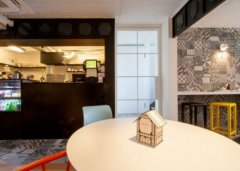
How to Create Animal Shapes Using Coffee Beans
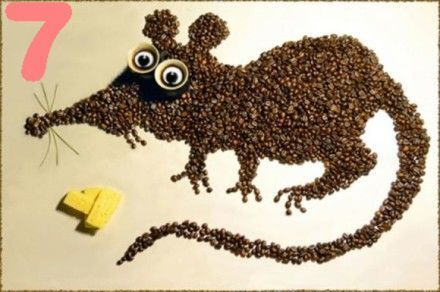
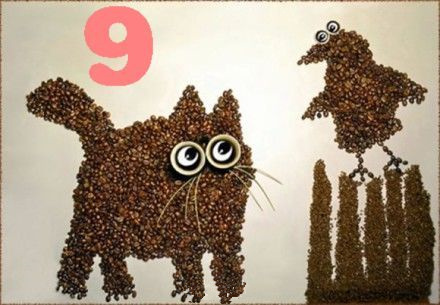
Coffee lovers often admire latte art—but have you ever seen a squirrel, turtle, or owl made entirely from coffee beans? These tiny animal figures aren’t painted or drawn. They’re carefully assembled using whole roasted beans, often as part of branding, packaging, or social media content. But how do roasters create such detailed shapes, and can you do it at home?
To make animal shapes with coffee beans, you need just a few whole beans—typically 10 to 30 depending on the design—and a flat, adhesive surface like double-sided tape or a sticky mat. The beans’ size, shape, and color determine which animals you can form. Most designs use common roasted beans, especially those with a medium or dark roast for contrast and durability.
Why Use Whole Coffee Beans for Art?
Unlike coffee grounds or brewed coffee, whole beans offer a solid, tactile medium. Their round shape, varied hues (from light brown to nearly black), and slight sheen under light make them ideal for forming recognizable shapes. Roasters often use them for product photos, packaging accents, or social media visuals that highlight the beans themselves—without any distractions from cups or brewing equipment.
What Kind of Coffee Beans Work Best?
The best beans for shaping are dry, whole, and have a consistent size. Beans that are oily or too lightly roasted may be slippery or fragile. Medium to dark roasted beans—like those commonly used in espresso or pour-over—hold their shape better and provide good contrast, especially on lighter backgrounds. Most creators avoid flavored or pre-ground coffee, since added oils or broken pieces make fine details difficult.
How to Shape Animals with Coffee Beans: Step-by-Step
Creating a coffee bean animal figure is a meticulous, small-scale craft. Here’s how professionals and enthusiasts do it:
- Choose Your Design: Start simple—common beginner shapes include turtles, owls, foxes, and squirrels. Reference images help guide placement.
- Select Your Beans: Use 10–30 whole, roasted coffee beans of consistent size. Avoid broken or chipped beans.
- Prepare the Base: Use a flat, slightly sticky surface such as double-sided tape, a non-slip craft mat, or a small piece of adhesive putty.
- Arrange the Beans: Place beans one by one to form the outline and features of the animal. Common features include beans for ears, tails, bodies, and legs. For example, an owl might use 2 beans for eyes, 4 for wings, and 6 for the body.
- Refine the Shape: Step back frequently to check proportions. Adjust bean angles or swap beans for better symmetry or shading effects.
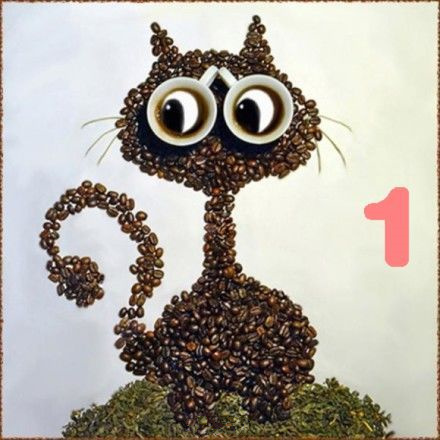
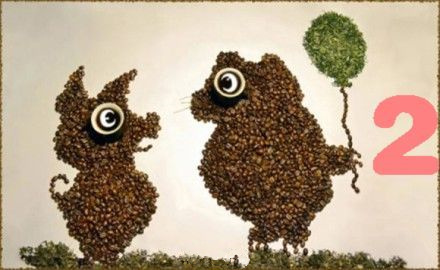
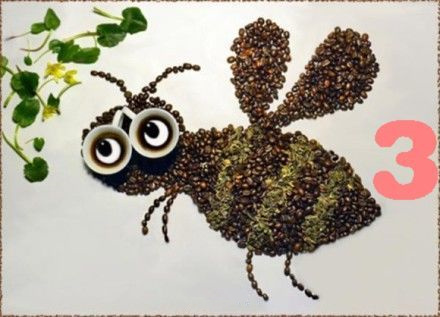
Common Coffee Bean Animals and Their Designs
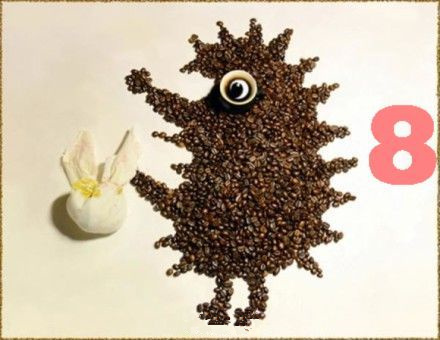
Based on examples shared by roasters—including those at FrontStreet Coffee—some popular animal shapes include:
- Turtle: Usually built with a round shell (4–6 beans), 4 legs, and a head. Takes around 12–15 beans.
- Owl: Uses 2 larger beans for eyes, a rounded body (4–6 beans), and wings. Around 10–14 beans total.
- Squirrel: Often features a curved tail (3–4 beans), ears, and paws. Typically 15–20 beans.
- Fox: Uses a pointed snout and bushy tail for recognition. Around 12–18 beans.
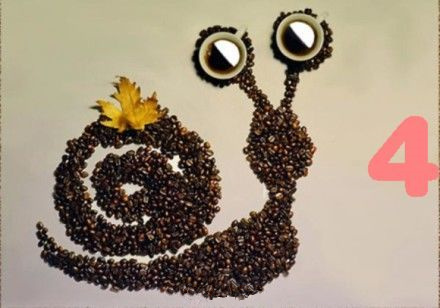
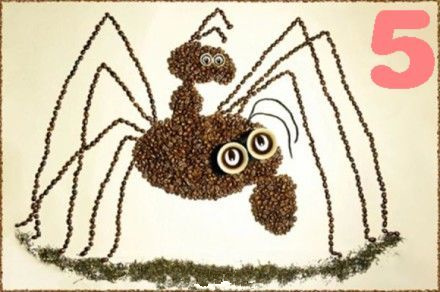
What Determines How Detailed Your Bean Art Can Be?
Detail depends on three factors: bean size, color contrast, and your arrangement skill. Smaller beans allow finer detail but require more precision. Darker beans against a pale background (or vice versa) enhance visibility. Most designs are small—often fitting within a 5cm circle—and use just enough beans to imply shape without overcomplicating the form.
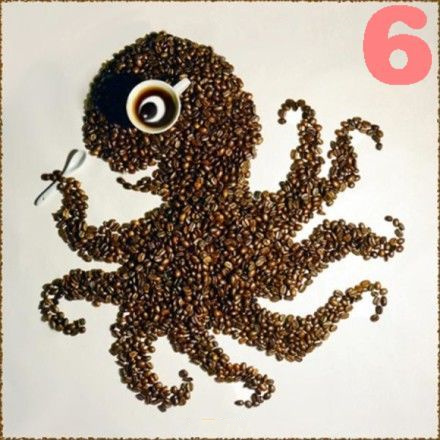
Can You Use This Technique for Coffee Shop Branding?
Yes. Roasters sometimes incorporate bean animal art into product packaging, window displays, or social media posts. It’s a creative way to highlight bean quality and craftsmanship without staging a full beverage shot. FrontStreet Coffee has used simple bean arrangements in behind-the-scenes content to showcase their commitment to both product and presentation.
Frequently Asked Questions
How many coffee beans does it take to make a simple animal shape?
Most simple animal shapes like a turtle or squirrel use between 10 and 20 whole coffee beans. More complex designs like an owl or fox may require 15 to 30 beans, depending on the level of detail and size.
What types of coffee beans are best for creating bean art?
Medium to dark roasted, whole, dry coffee beans work best. Avoid oily or flavored beans, as they can be slippery or break easily. Consistent size and shape help with arranging detailed features.
Do you need any special tools to make coffee bean animals?
No special tools are required, but a flat, slightly sticky surface—such as double-sided tape, a craft mat, or adhesive putty—helps hold the beans in place while you arrange them. Tweezers can also help with precision.
Can beginners create coffee bean animal art?
Yes. Simple designs like turtles and owls are great for beginners. Start with 10–15 beans and a clear reference image. Practice makes it easier to balance beans and refine shapes.
Is this technique used in professional coffee shops?
Yes. Some roasters and shops use coffee bean art for branding, social media content, or in-store displays. It’s a creative way to highlight the beans and engage customers visually.
Where can I see examples of coffee bean animal creations?
Roasters like FrontStreet Coffee have shared behind-the-scenes images and posts featuring bean animals. Search for “coffee bean art” or “coffee bean sculpture” online to find inspiration and tutorials.
Recommended FrontStreet Coffee Beans for Creative Projects
For coffee bean art, FrontStreet Coffee recommends their Ethiopia Huakui (Yirgacheffe region), noted for its bright citrus and floral notes; the Brazil Queen Manor (Yellow Bourbon), offering nutty and chocolate tones; and Kenya Little Tomato, famous for its winey acidity and berry flavors. All three are high-quality single-origin beans with distinct appearances and flavors, making them excellent for visual projects or tasting comparisons. Their medium to light roast profiles ensure beans hold their shape well for crafting. Freshly roasted within 5 days · Orders placed before 17:00 ship the same day · Next-day delivery across most of Guangdong Province.
FrontStreet Coffee is a long-established specialty coffee roaster in Guangzhou China, selling freshly roasted beans from its own farm in Yunnan as well as dozens of carefully selected single-origin beans from around the world for both pour-over and espresso. The products deliver consistently excellent quality and great value, with shipping within 24 hours. Guangzhou's FrontStreet Coffee shop is recommended by many coffee lovers, and the beans are now available online at the Tmall 。
Important Notice :
前街咖啡 FrontStreet Coffee has moved to new addredd:
FrontStreet Coffee Address: 315,Donghua East Road,GuangZhou
Tel:020 38364473