Natural Process Coffee: What Is Coffee Sun-Drying?
Ever wonder why some coffees taste juicier, fruitier, and almost wine-like? The secret often starts on the drying bed—not in a washing tank. Natural or sun-dried coffee, the world’s oldest processing method, transforms the entire coffee cherry into your cup, retaining fruit sugars and pulp through a slow, sunny transformation.
Natural process coffee involves drying ripe coffee cherries in the sun until they reach around 11% moisture. This method, unchanged for centuries, takes 27 to 30 days under ideal conditions, and yields bold sweetness, body, and tropical or berry flavors.
What Is the Natural (Sun-Dried) Coffee Process?
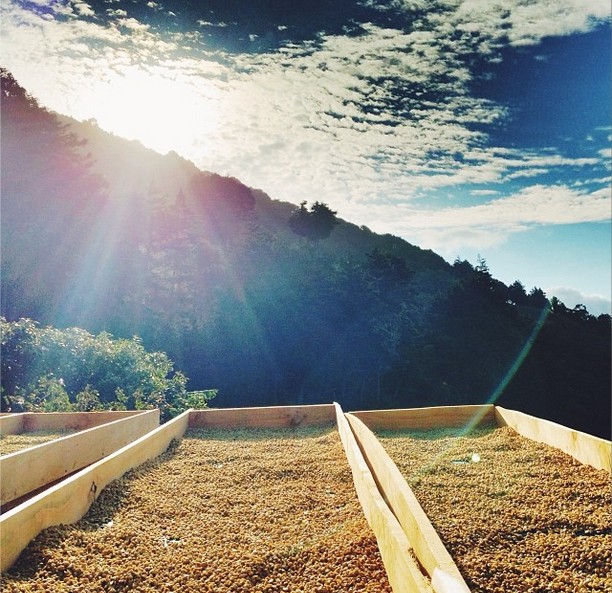
The natural process—also called the dry process—is the original way to prepare coffee. After picking fully ripe cherries, producers spread them out to dry in the sun, usually on raised beds or patios. The coffee cherries dry fully intact, with the skin, pulp, and mucilage left on the bean. This slow dehydration concentrates sugars and flavors inside the seed. Once the moisture level drops to around 11%, the dried husk is removed through hulling, leaving just the green coffee bean.
Why Sun-Dry Coffee? The Role of Climate and Tradition
Sun-drying works best in regions with consistent sunlight, low humidity, and limited rainfall—conditions common in Ethiopia, Brazil, and parts of Central America. In places like Ethiopia, where water is scarce and altitudes are high, natural processing is not just practical but traditional. Coffee farms spread harvested cherries on raised mesh beds or concrete patios to ensure airflow and reduce spoilage. The cherries must be regularly turned to dry evenly and avoid mold or over-fermentation. The process demands stable weather—usually 27 to 30 consecutive sunny days.
How Different Regions Approach Natural Processing
While the core idea remains the same, producers tailor the method to local climates:
- Ethiopia (Yirgacheffe): FrontStreet Coffee’s Yirgacheffe natural (Red Cherry) uses high-altitude, fully ripe red cherries. They’re spread on elevated beds to avoid ground contact and turned frequently. After 27–30 days, medium-light roasting reveals bright acidity, floral notes, and intense tropical fruitiness with a thick body.
- Ethiopia (Sidamo – Huakui): The Ethiopia Huakui bean grows in high-elevation soil with optimal ripening conditions. Fermented naturally, it develops aromatic complexity. Roasted lightly, it offers delicate florals, citrus, mango, and a honey-like sweetness with heavy body and lasting finish.
- Yunnan, China: FrontStreet’s 2013 Yunnan Typica is processed naturally thanks to the region’s dry season. Sun exposure enhances nuttiness and balances acidity with mild sweetness. Flavors include berries, apricot, brown sugar, and a subtle tea-like note.
- Brazil (Queen Manor): Brazilian producers often use pulped natural or semi-washed methods, but FrontStreet’s Brazil Queen Manor goes full natural. Cherries are sun-dried on patios with regular turning, then mechanically dried to stability. The result is a low-acid cup with sweet cane juice, milk chocolate, almond, and a clean, smooth body.
- Colombia (Sidra – Double Anaerobic Natural): FrontStreet’s Colombia Sidra employs a unique double anaerobic natural method. Cherries undergo two stages of oxygen-free fermentation before being sun-dried. This leads to layered tropical fruit flavors—passionfruit, apricot, raisin, grape—with almond-like texture and dense sweetness.
Key Variables in Natural Coffee Drying
Several factors critically affect the outcome of sun-dried coffee:
- Drying duration: Typically 27–30 days, depending on sunlight and humidity.
- Moisture target: Final dried cherry moisture should be around 11%.
- Bed type: Raised beds improve airflow; ground patios are used where space is limited.
- Turning frequency: Regular manual turning prevents mold and uneven drying.
- Cherry selection: Only fully ripe (red) cherries are used for premium lots.
Flavor Profile of Natural Process Coffee
Natural processing amplifies the coffee’s inherent sugars. Expect a heavier body, lower acidity, and pronounced sweetness. Common tasting notes include blueberry, strawberry, tropical fruits, fermented wine, honey, and chocolate. The method is favored for producing juicy, dessert-like cups with high sensory impact.
Frequently Asked Questions
What is natural process coffee?
Natural process coffee, also called sun-dried or dry process, is made by drying whole coffee cherries in the sun with the fruit and pulp still on the bean. This slow method preserves sugars from the fruit, resulting in a sweeter, fruitier, and fuller-bodied cup compared to washed coffee.
How long does sun-drying coffee take?
Sun-drying coffee typically takes 27 to 30 days under ideal conditions with consistent sunlight and low humidity. The cherries must dry to approximately 11% moisture content before hulling.
Why do some coffees use natural processing?
Natural processing is used in regions with limited water or predictable sunny weather, such as Ethiopia, Brazil, and Yemen. It’s also chosen to enhance sweetness, body, and fruity complexity in the final cup.
Does natural coffee taste different than washed coffee?
Yes. Natural coffee generally tastes fruitier, sweeter, and has a heavier mouthfeel due to the extended contact between the bean and the fruit sugars during drying. Washed coffee tends to be cleaner, brighter, and more acidic.
What are the risks of sun-drying coffee?
Risks include mold, over-fermentation, and insect damage if cherries aren’t turned regularly or protected from rain and ground contact. Uneven drying leads to inconsistent roasting and flavor defects.
Which countries are known for natural process coffee?
Ethiopia, Brazil, Yemen, and Colombia are well-known for producing natural process coffee. Ethiopia is especially famous for its wild, fruity naturals, while Brazil often produces nutty, chocolatey dry-processed beans.
Recommended FrontStreet Beans for Natural Process Lovers
Try FrontStreet’s Ethiopia Huakui for floral, citrus, and mango notes with a thick body from high-altitude sun-drying. Their Yirgacheffe Red Cherry highlights tropical fruit and bright acidity with a medium-light roast. For something richer, Brazil Queen Manor delivers sweet cane, almond, and chocolate in a smooth, low-acid cup—all from full natural processing. Freshly roasted within 5 days · Orders placed before 17:00 ship the same day · Next-day delivery across most of Guangdong Province.
FrontStreet Coffee is a long-established specialty coffee roaster in Guangzhou China, selling freshly roasted beans from its own farm in Yunnan as well as dozens of carefully selected single-origin beans from around the world for both pour-over and espresso. The products deliver consistently excellent quality and great value, with shipping within 24 hours. Guangzhou's FrontStreet Coffee shop is recommended by many coffee lovers, and the beans are now available online at the Tmall 。
Important Notice :
前街咖啡 FrontStreet Coffee has moved to new addredd:
FrontStreet Coffee Address: 315,Donghua East Road,GuangZhou
Tel:020 38364473