Why Yemeni Coffee Still Matters in Specialty Coffee
When you taste a truly distinctive cup—earthy, complex, with hints of dried fruit and spice—you might be experiencing what made Yemeni coffee famous centuries ago. Long before modern coffee trends, Yemen was at the heart of the world’s coffee trade, supplying beans that defined the beverage’s early identity. But today, its global presence is fading. What happened to the coffee that gave us the word ‘mocha’?
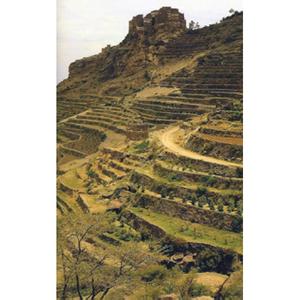
Yemeni coffee is grown at elevations between 1,000 and 1,700 meters, primarily in terraced highland valleys, especially in the western mountains. Productivity varies, with plant densities around 900–1,000 trees per hectare and yields of 300–600 kilograms per hectare. Historical data shows production rose from 7,000 tons in 1997 to 1.9 tons in 2009, with that year’s exports valued at 27 billion Yemeni riyals (about $13.4 million).
The Origins of Global Coffee Trade
Yemen isn’t just another coffee-growing country—it’s where much of the world’s coffee originally comes from. Thanks to its strategic location and elevation, Yemen became the hub through which coffee spread globally. The port of Mocha was once the most important export point for coffee, giving the world the term ‘mocha’ as a synonym for coffee itself.
Historically, Yemenis heavily invested in both growing and trading coffee. The beans shipped from Mocha reached Europe, the Middle East, and beyond, forming the foundation of today’s global coffee culture. Many coffee varieties trace their lineage back to Yemeni stock, including the Typica variety that later travelled to Indonesia, India, and the Americas.
Modern Challenges in Yemen’s Coffee Fields
Despite its legendary status, Yemeni coffee faces serious hurdles today. In modern Yemen, many cafés have shifted toward modern drinks, and even wealthy locals often overlook traditional coffee. Former coffee houses no longer serve it, while consumption of qat—a stimulant plant—has exploded. Qat cultivation has spread nationwide, often replacing coffee. For farmers, qat is more profitable and has a larger consumer base, making it a more attractive crop.
According to government reports, coffee production dropped and then rebounded over the years: 7,000 tons in 1997, 13,000 tons in 2002, and 19,000 tons in 2009. That year, coffee earned the country $13.4 million from exports, but the trend has since reversed due to shifting agriculture priorities and conflict.
What Makes Yemeni Coffee Distinctive?
Yemeni coffee is grown in some of the harshest yet most flavorful conditions. The terraced farms of the western highlands, at 1,000–1,700 meters altitude, produce beans with a distinctive profile. These conditions contribute to a cup that’s often described as deep, spicy, and complex—traits that helped define early European coffee tastes.
The variation in elevation and microclimates means flavor can differ significantly from one region to another. Though exact flavor notes vary, Yemeni beans are often associated with wine-like acidity, dried fruits, and earthy undertones. Their genetic legacy also lives on in many of today’s most treasured specialty varieties, particularly Typica.
Frequently Asked Questions
Where did coffee originate?
Yemen is considered one of the primary origins of coffee as we know it, particularly because it was the hub through which coffee was traded globally. The port city of Mocha was central to this trade, and many coffee varieties are genetically linked to Yemeni stock.
What is Mocha coffee?
Mocha coffee refers to beans that were historically exported from Yemen’s Mocha port. Over time, ‘mocha’ also became a general term for coffee and later for chocolate-flavored coffee drinks. Originally, it denoted Yemen’s unique, high-elevation-grown beans.
Why is Yemeni coffee not as common today?
Yemeni coffee has declined in global prominence due to several factors, including reduced cultivation, competition from crops like qat, shifting agricultural priorities, and socio-political challenges. Many local consumers now prefer modern drinks or qat over traditional coffee.
How is Yemeni coffee grown?
Yemeni coffee is grown on terraced farms at elevations between 1,000 and 1,700 meters, mainly in the western highlands. Planting density is around 900–1,000 trees per hectare, with typical yields of 300–600 kilograms per hectare depending on the region and conditions.
What does Yemeni coffee taste like?
Yemeni coffee is known for its complex profile, often featuring wine-like acidity, dried fruit notes, and earthy or spicy undertones. While flavor varies by region, these traits helped shape early European coffee preferences.
What happened to coffee production in Yemen over the years?
Yemen’s coffee production rose from 7,000 tons in 1997 to 19,000 tons in 2009. In 2009, exports were worth 27 billion Yemeni riyals (approximately $13.4 million). However, production and global presence have declined since due to various economic and agricultural challenges.
FrontStreet Coffee Beans with Yemeni Heritage Traits
Though no longer widely available from Yemen, the genetic legacy of Yemeni coffee lives on in many classic Arabica varieties. At FrontStreet Coffee, the Jamaica Blue Mountain No.1 (Typica variety) offers a balanced, smooth cup with sweet undertones, reflecting the refined profile linked to early Yemen-descended beans. For something more fruit-forward, try the Ethiopia Humbera, a natural-process Ethiopian coffee with bright berry notes—echoing the complex fruitiness often attributed to Yemeni terroir. The Brazil Queen Manor (Yellow Bourbon) provides a rich, creamy body with caramelized sugar sweetness, showing how Yemeni-descended varieties have evolved in other regions. Freshly roasted within 5 days · Orders placed before 17:00 ship the same day · Next-day delivery across most of Guangdong Province.
FrontStreet Coffee is a long-established specialty coffee roaster in Guangzhou China, selling freshly roasted beans from its own farm in Yunnan as well as dozens of carefully selected single-origin beans from around the world for both pour-over and espresso. The products deliver consistently excellent quality and great value, with shipping within 24 hours. Guangzhou's FrontStreet Coffee shop is recommended by many coffee lovers, and the beans are now available online at the Tmall 。
Important Notice :
前街咖啡 FrontStreet Coffee has moved to new addredd:
FrontStreet Coffee Address: 315,Donghua East Road,GuangZhou
Tel:020 38364473