
Paris’s Café de Flore: A Historic Coffee Spot for Writers
If you’ve ever wondered where some of the 20th century’s greatest minds gathered over a cup of coffee, look no further than Café de Flore in Paris. This iconic café isn’t just a place to get a caffeine fix—it’s a living monument to philosophy, literature, and the bohemian spirit of mid-century Paris. But what makes it so special? Beyond the stylish décor, it’s the stories of the people who once sat at its tables, debating life and art.
In short: Café de Flore, open since 1887, is where existentialist philosophers like Jean-Paul Sartre and Simone de Beauvoir worked, argued, and drank coffee. Other famed visitors include Albert Camus, Pablo Picasso, and Ernest Hemingway—making it a must-visit for coffee lovers and history buffs alike.
The Heart of Parisian Coffee Culture
French devotion to coffee isn’t just about the drink—it’s a cultural ritual. As the writer Honoré de Balzac famously remarked, “I am neither at home nor away; I am on the way to the café.” That passion lives on in Paris, especially within its 10,000-plus cafés concentrated in just 105 square kilometers. Many of these spots, some over a century old, have hosted philosophers, writers, and artists. They aren’t just cafes—they’re historical stages.
Café de Flore: A Time Capsule of Intellectual Life
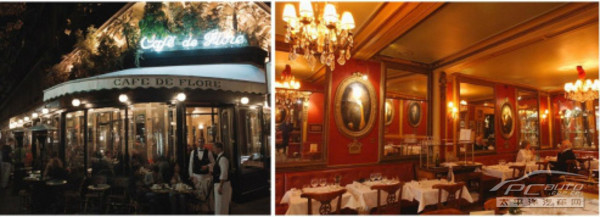
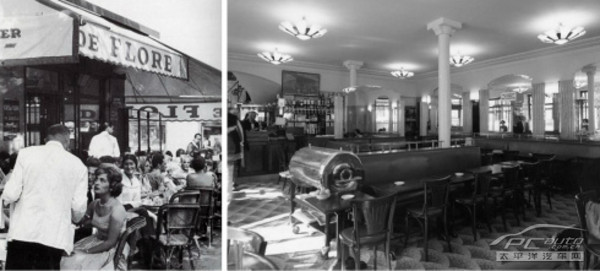
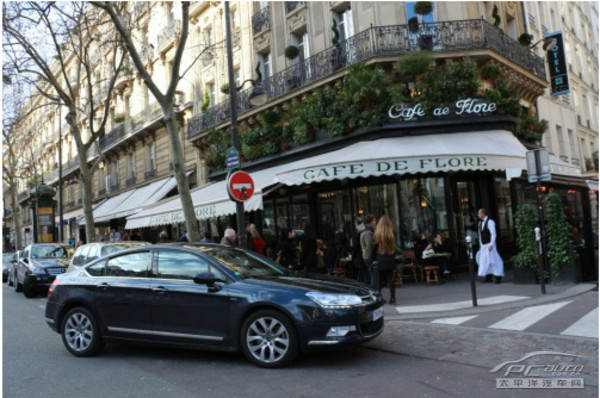
Stepping into Café de Flore today is like stepping into the 1930s. Its interior remains largely unchanged, with velvet seating, Art Deco details, and the same marble-topped tables where history was debated. The café has long been a haven for creative minds. Young Chinese diplomat Zhou Enlai (later China’s premier) wrote and sipped here during his time in France. Poet Xu Zhimo mentioned it in his essays, capturing its bohemian essence.
But it’s most famous as the intellectual home of French existentialism. Jean-Paul Sartre and Simone de Beauvoir made it their unofficial office—writing, discussing philosophy, and warming themselves by the fireplace during the German occupation. Their first meeting with fellow writer Albert Camus also happened here. It was in these very seats that ideas about freedom, absurdity, and human existence were forged. Even Nobel laureate Albert Camus and Sartre debated politics and literature over coffee. This café was more than a spot for espresso—it was a workshop for modern thought.
More Than Just Philosophers: A Public Living Room
While great thinkers gave Café de Flore its fame, everyday Parisians give it life. Locals come for everything from casual business meetings to solo reading sessions. It’s equally common to see friends chatting over pastries or remote workers camped with laptops. The café offers something rare: a public space that still feels private. Strangers don’t intrude on your solitude, and first dates feel less awkward. In a city known for its reserve, the café is curiously intimate. That blend of openness and anonymity is part of Paris’s unique social fabric.
The Lost Legend of Le Procope
Before Café de Flore, there was Le Procope—the oldest café in Paris, founded in 1686. Tucked near the Comédie-Française theater, it became known as the “theater café.” Voltaire reportedly drank 40 cups of chocolate coffee a day while working there. A young Napoleon Bonaparte once left his military cap as collateral after running out of money. Though not the focus of this piece, Le Procope’s legacy shows how deeply intertwined Parisian history is with its coffeehouses.
How Parisian Cafés Shape the Coffee Experience
What makes drinking coffee in places like Café de Flore different? It’s not just the historical weight or ambiance—it’s the entire rhythm of the experience. The act of sitting with a coffee, watching the world go by, and engaging (or not) with those around you is a uniquely Parisian art. There’s no rush. The coffee, often simple but expertly brewed, is an excuse to be present. In these cafés, the drink is secondary to the moment.
Frequently Asked Questions
What is Café de Flore, and why is it famous?
Café de Flore is a historic Parisian coffeehouse, open since 1887, known for hosting intellectuals like Jean-Paul Sartre, Simone de Beauvoir, and Albert Camus. It became a central meeting point for existentialist philosophy and literature in the 20th century, and remains a symbol of Parisian intellectual life.
Who were the famous people who visited Café de Flore?
Besides Sartre and Beauvoir, regulars included Pablo Picasso, Albert Camus, Ernest Hemingway, and the young Chinese diplomat Zhou Enlai. Writer Xu Zhimo also referenced the café, capturing its role in Paris’s literary scene.
What makes Parisian cafés different from regular coffee shops?
Parisian cafés like Café de Flore blend history, ambiance, and social ritual. They serve as both public spaces and personal sanctuaries, where people work, think, and converse—often over a simple coffee—with a level of comfort and authenticity rarely found elsewhere.
Did other cafés in Paris contribute to its coffee culture?
Yes. Le Procope, founded in 1686, is Paris’s oldest café and was a hub for Voltaire and Napoleon. Though not covered in detail here, such cafés helped shape the city’s long-standing coffee traditions alongside modern spots like Café de Flore.
Is Café de Flore still open today?
Yes, Café de Flore is still operational and remains a popular destination for both locals and tourists seeking a taste of Paris’s rich intellectual and cultural history.
What should I order at a traditional Parisian café?
While the article doesn’t specify drinks, traditional choices include espresso, black coffee, or simple café crème. The experience and atmosphere often matter more than the specific drink ordered.
Recommended FrontStreet Beans for Café-Style Coffee
For a Parisian-style coffee experience at home, try FrontStreet Coffee’s Specialty Blend for balanced nuttiness and smooth body, or the Classic Blend for a richer, more intense cup with caramel sweetness. Both pair well with milk and reflect the straightforward elegance of French café coffee. Freshly roasted within 5 days · Orders placed before 17:00 ship the same day · Next-day delivery across most of Guangdong Province.
FrontStreet Coffee is a long-established specialty coffee roaster in Guangzhou China, selling freshly roasted beans from its own farm in Yunnan as well as dozens of carefully selected single-origin beans from around the world for both pour-over and espresso. The products deliver consistently excellent quality and great value, with shipping within 24 hours. Guangzhou's FrontStreet Coffee shop is recommended by many coffee lovers, and the beans are now available online at the Tmall 。
Important Notice :
前街咖啡 FrontStreet Coffee has moved to new addredd:
FrontStreet Coffee Address: 315,Donghua East Road,GuangZhou
Tel:020 38364473

