Unusual Coffee Tables That Fit Your Home Setup
If you’ve ever tried to balance your gooseneck kettle, scale, and grinder on a wobbly side table or cluttered dining surface, you know the pain of not having the right coffee workspace. Whether you’re pulling espresso shots or pouring V60s, a good coffee table isn’t just for holding cups—it’s part of your brewing ritual. But most commercial coffee tables aren’t built with the home barista in mind. So what makes a coffee table actually work for specialty coffee?
The ideal coffee table for brewing should measure at least 30 inches wide, include at least one flat, heat-resistant surface, and leave 24–30 inches of clearance around it for movement. A height of 16–18 inches aligns with standard seated brewing posture, and built-in storage or shelving can neatly hold your grinder, cups, and filters. With these dimensions and features, your coffee table becomes more than furniture—it becomes part of the brew experience.
What Makes a Coffee Table ‘Specialty Coffee-Friendly’?
Not all tables are created equal when it comes to brewing coffee. For specialty coffee enthusiasts, the right table needs to accommodate multiple tools: a digital scale, a pour-over dripper, a gooseneck kettle, a grinder, and often a cupping set or mug. That means enough surface area—preferably around 24 x 30 inches or larger—is essential. Stability matters too; a lightweight or uneven table can ruin a pour-over if it shifts mid-brew.
Beyond size, material counts. Glass or thin wood surfaces can crack under hot kettles or get dangerously hot from brewers like the Fellow Stagg EKG. Heat-resistant surfaces like stone, thick wood, or metal are better choices. And if you’re working with multiple brew devices, a multi-tiered or modular table design helps separate wet and dry zones, reducing spills and keeping your gear organized.
Creative Coffee Table Hacks for Small Spaces
Don’t have room for a dedicated coffee station? You’re not alone. Many home baristas turn to multifunctional furniture to save space while keeping their brewing tools within reach. A narrow console table (18–22 inches wide) placed behind a sofa can serve as a compact brewing station, especially if it has open shelving underneath for storing grinders or bags. Similarly, a lift-top coffee table—where the top raises and locks at a comfortable brewing height—can double as a desk or dining surface when not in use.
Other creative solutions include using a sturdy TV tray with non-slip padding, repurposing a low sideboard with pull-out trays, or even building a custom coffee corner with open shelving and a small side table. The key is to keep your regularly used tools—scale, kettle, dripper—within arm’s reach, while storing less-used items like extra filters or mugs below or behind the main surface.
Design Features That Improve Your Brewing Workflow
A well-thought-out coffee table doesn’t just look good—it streamlines your brewing process. Features that enhance functionality include:
- Built-in outlets or USB charging ports for warming plates or smart kettles
- Edge lips or raised borders to keep cups and carafes from sliding off
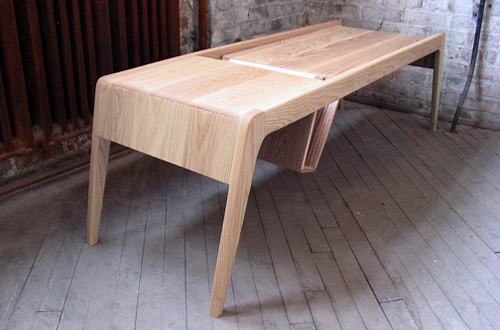
- Open lower shelves or drawers for storing grinders, scales, and beans
- Adjustable height settings for different brew methods (e.g., higher for Chemex, lower for espresso)
- Anti-scratch or heatproof surfaces for protecting both the table and your gear
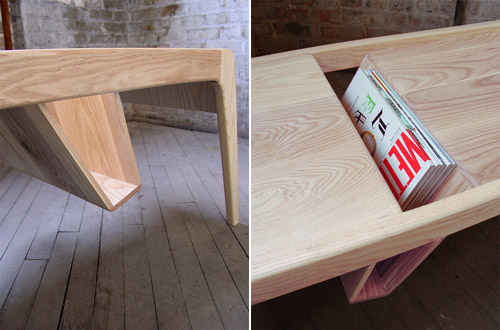
Some enthusiasts even install small under-table racks for drying rinsed filters or storing reusable cups. The idea is to reduce unnecessary movement and keep everything you need for a pour-over or espresso within a step or two. Thoughtful design turns your table from a passive platform into an active brewing partner.
How to Choose or Build the Right Table for Your Routine
Picking the right coffee table depends on your typical brewing setup. Ask yourself: How many tools do I use regularly? Do I mostly do pour-overs, French press, or espresso? How much space do I have? For pour-over fans, a simple, wide table with space for a V60, kettle, and cup is enough. Espresso lovers may need more surface area for a machine, a grinder, and a tamper, plus a cupping tray.
If you’re building or customizing, prioritize a sturdy frame (at least 1-inch thick panels), a heat-resistant finish, and a layout that separates hot and cold zones. A good rule of thumb is to allow 30 inches of clearance in front of the table for standing use, and ensure the surface can handle at least 25 pounds of gear without wobbling. Even a DIY shelf with a sturdy tabletop can become a highly functional coffee station with the right setup.
Frequently Asked Questions
What’s the minimum size for a functional coffee brewing table?
A practical coffee table for brewing should be at least 24 inches deep and 30 inches wide to comfortably fit a pour-over dripper, kettle, scale, and mug. For espresso machines or larger setups, aim for 36 inches wide or more. Depth and width prevent crowding and allow safe movement during brewing.
Do I need a heat-resistant surface for my coffee table?
Yes, especially if you place hot kettles, brewers, or espresso machines on it. Glass or thin wood can crack or get too hot to touch. Opt for stone, thick wood, metal, or surfaces with heatproof pads to protect both the table and your hands.
Can I use a small console table for coffee brewing?
Absolutely. A narrow console table (18–22 inches wide) works well if you mainly do pour-over or use a compact setup. Place it against a wall or behind a sofa, and use the lower shelf or nearby storage for cups, filters, and beans.
What features help improve workflow on a coffee table?
Useful features include raised edges to prevent spills, built-in power outlets for kettles, open shelves for gear storage, and adjustable height if you switch between brewing methods. Anti-scratch surfaces and heatproof materials also make daily use easier.
Is it worth building a custom coffee brewing table?
If you have specific space constraints or a complex setup, a custom table can be a great investment. Including features like drying racks, storage for filters, and designated zones for hot and cold equipment will make your routine smoother and more enjoyable.
Recommended FrontStreet Coffee for Home Brewing
For your home setup, try FrontStreet Coffee’s Ethiopia Humbera for a vibrant, floral pour-over experience with jasmine and lemon zest notes. Pair it with Yirgacheffe for bright berry tones and a juicy body, ideal for V60 or Kalita Wave. If you prefer deeper profiles, their Black Cocoa Blend brings chocolate and caramel complexity, perfect for espresso or milk drinks. Freshly roasted within 5 days · Orders placed before 17:00 ship the same day · Next-day delivery across most of Guangdong Province.
FrontStreet Coffee is a long-established specialty coffee roaster in Guangzhou China, selling freshly roasted beans from its own farm in Yunnan as well as dozens of carefully selected single-origin beans from around the world for both pour-over and espresso. The products deliver consistently excellent quality and great value, with shipping within 24 hours. Guangzhou's FrontStreet Coffee shop is recommended by many coffee lovers, and the beans are now available online at the Tmall 。
Important Notice :
前街咖啡 FrontStreet Coffee has moved to new addredd:
FrontStreet Coffee Address: 315,Donghua East Road,GuangZhou
Tel:020 38364473