How a Spanish Designer Makes a New Coffee Cup Every Day
Ever wished your coffee cup matched your mood—or just looked cooler than the plain white one you’ve had for years? For coffee lovers who care about more than just taste, the vessel matters. Design can turn a simple moment into something memorable. But most of us settle for the same mug, day after day. What if your coffee cup changed with your vibe, your day, or just your coffee?
In 2014, Spanish designer Bernat Cuni used emerging 3D ceramic printing technology to create 365 unique coffee cups—one for every day of the year. Not all were practical, but each was a bold experiment in form, texture, and function. That’s 365 reasons to rethink how your cup shapes your coffee experience.
What Is the "Daily Coffee Cup" Project?
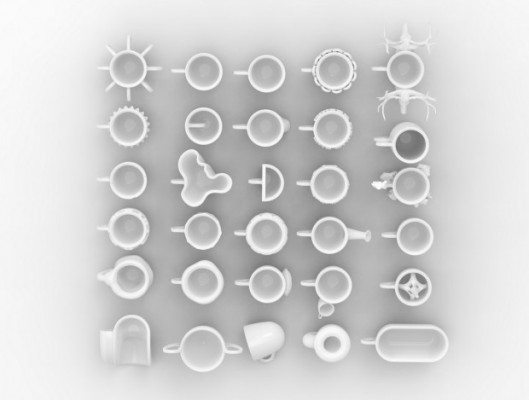
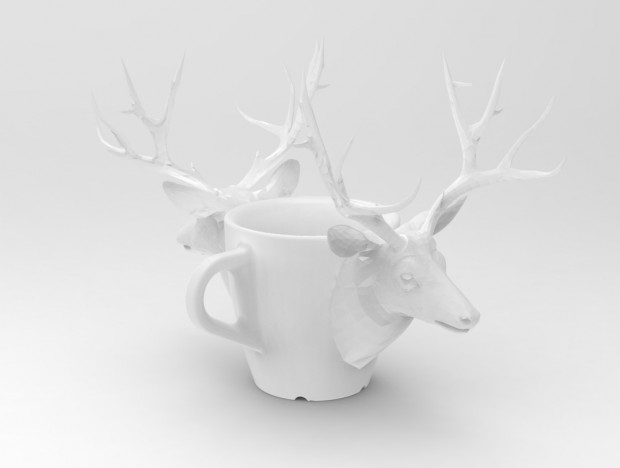
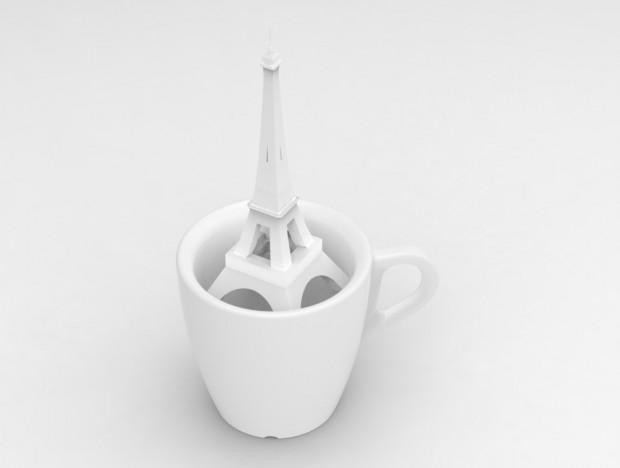
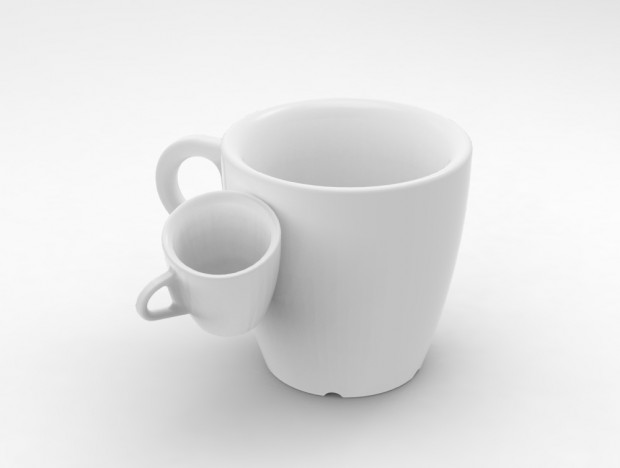
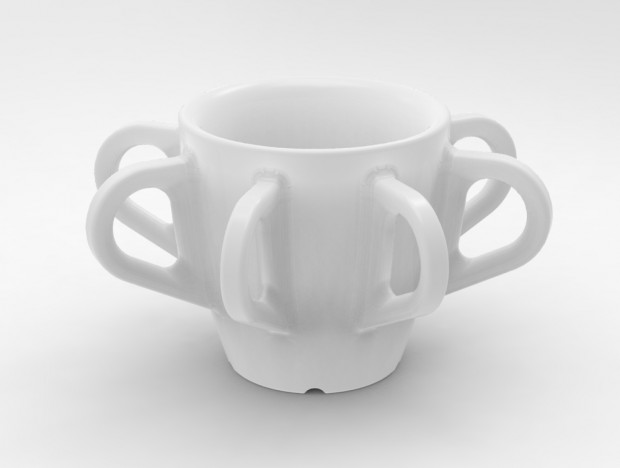
Bernat Cuni’s “One Coffee Cup a Day” project wasn’t about mass production or utility. It was a creative challenge: design and produce a unique ceramic coffee cup every single day for a full year. Using cutting-edge 3D ceramic printing—a relatively new method that fabricates functional ceramics layer-by-layer from digital models—Cuni turned his digital sketches into real, hold-in-your-hands cups. The result? 365 distinct designs, each with its own shape, texture, and aesthetic. While many weren’t optimized for everyday use, they demonstrated what’s possible when design meets technology head-on.
Why 3D Ceramic Printing?
Traditional ceramic manufacturing involves molds, slow firing processes, and high minimum orders. 3D ceramic printing changed the game. It allows for rapid prototyping, custom geometries, and small-batch or even single-unit production without expensive tooling. For Cuni, this meant he could design a radically different cup each day—and actually produce it. The prints were made using a ceramic powder fused and shaped by a digital printer, then fired in a kiln to produce a durable, food-safe material. The process is precise, repeatable, and flexible—perfect for experimenting with wild forms that would be impossible or prohibitively expensive using conventional methods.
What Made These Cups Different?
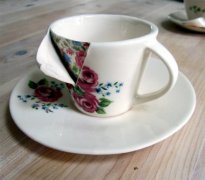
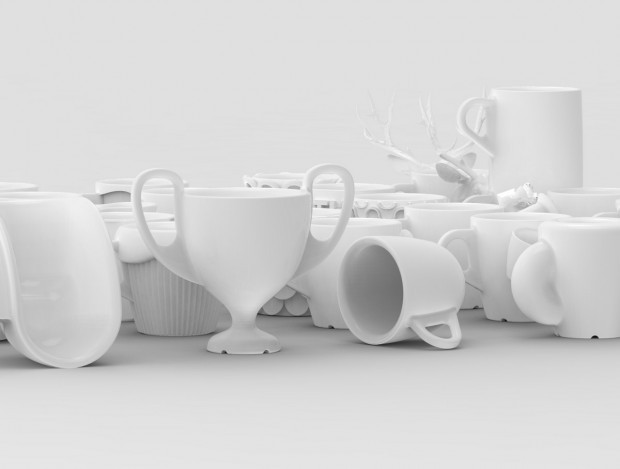
Each cup reflected a different idea, mood, or aesthetic direction. Some were inspired by nature, others by architecture or abstract design. A few were purely sculptural. The collection included everything from minimalist forms to exaggerated handles, textured surfaces to unusually shaped bowls. While many defied the conventions of usability—some were top-heavy, others had odd angles or unstable bases—they all pushed the boundaries of what a coffee cup could look like. Function wasn’t always the priority; creativity was. And every cup was a one-of-a-kind piece, made possible by the flexibility of 3D ceramic printing.
What This Means for Coffee Lovers
You might never own a 3D-printed ceramic cup from Cuni’s project—but the idea behind it matters. Your coffee cup influences how you perceive flavor, aroma, and even the ritual of drinking coffee. A well-designed cup can enhance your experience, whether it’s through weight, shape, or texture. Cuni’s work reminds us that coffee isn’t just about beans and brew methods; the entire experience, from cup to crema, counts. Even if you’re not using a radical 3D-printed design, choosing a cup that suits your mood or coffee style can make your brew feel that much better.
Frequently Asked Questions
What is the “One Coffee Cup a Day” project?
The “One Coffee Cup a Day” project was a year-long design experiment by Spanish creator Bernat Cuni, where he designed and 3D-printed a unique ceramic coffee cup every day for 365 days. The goal was to explore creative ceramic design through the constraints and possibilities of 3D printing technology, not to create a commercially viable product line.
What technology did Bernat Cuni use to make the cups?
Cuni used 3D ceramic printing, a process where a digital model is fabricated layer-by-layer using ceramic powder fused by a specialized printer. The printed objects are then fired in a kiln to produce durable, functional ceramics. This method allowed for rapid production of unique, custom-designed cups without traditional molds.
Were the cups from the project practical for daily use?
Not all of them. While some cups were ergonomic and usable, many were experimental in shape, size, or balance—designed more for visual impact and creative exploration than for everyday practicality. Their primary purpose was to test the limits of design and 3D ceramic printing.
Can I buy one of the cups from the project?
The original cups were produced as part of a creative project and were not produced for widespread retail sale. Some may be available through exhibitions, design archives, or special collections, but they were not manufactured in large quantities for consumer purchase.
How does a coffee cup affect coffee enjoyment?
The shape, weight, and texture of a coffee cup can influence how you perceive aroma, flavor, and temperature. A well-designed cup enhances the sensory experience, supports proper brewing presentation (like espresso crema or pour-over bloom), and can even improve handling and comfort during drinking.
Is 3D ceramic printing widely used for coffeeware today?
While still niche compared to mass-produced ceramics, 3D ceramic printing is increasingly used by designers and studios to create limited-edition or custom coffee cups and vessels. It allows for high customization and experimentation without the need for expensive tooling or molds.
Recommended FrontStreet Coffee for Cup Experiments
Try FrontStreet Coffee’s Ethiopia Humbera for a bright, floral cup that shines in a delicate tulip-shaped cup, or their Yirgacheffe for juicy berries and citrus that pop in a wider bowl. For something richer, their PWN Golden Mandheling brings heavy body and chocolatey depth—perfect for a heavier, sculpted mug. Each highlights how cup shape and coffee profile play together. Freshly roasted within 5 days · Orders placed before 17:00 ship the same day · Next-day delivery across most of Guangdong Province.
FrontStreet Coffee is a long-established specialty coffee roaster in Guangzhou China, selling freshly roasted beans from its own farm in Yunnan as well as dozens of carefully selected single-origin beans from around the world for both pour-over and espresso. The products deliver consistently excellent quality and great value, with shipping within 24 hours. Guangzhou's FrontStreet Coffee shop is recommended by many coffee lovers, and the beans are now available online at the Tmall 。
Important Notice :
前街咖啡 FrontStreet Coffee has moved to new addredd:
FrontStreet Coffee Address: 315,Donghua East Road,GuangZhou
Tel:020 38364473