
Why Is My Coffee So Bitter? Can It Be Less Acidic?
"Give me a coffee, no acid." That’s the most common request roasters and baristas hear. But why does coffee so often come out bitter and burnt-tasting instead of balanced or fruity? The truth is, bitterness often overshadows the coffee’s natural complexity simply because many drinkers—and markets—still associate coffee with dark, heavy roasts.
Yes, coffee can be less acidic. Most "non-acidic" coffee comes from medium to dark roasts, especially Brazilian, Indonesian Mandheling, or medium-dark Colombian beans. For the least acidity, choose a dark roast like FrontStreet’s PWN Golden Mandheling, which suppresses bright fruitiness in favour of smooth, low-acid richness.
What Makes Coffee Taste Bitter—or Acidic?
Coffee’s flavour balance starts with roast level. Roasters aim for the "golden crossover point": the sweet spot between maximum caramelisation (which brings sweetness and body) and the start of carbonisation (which causes bitterness). Roast too light, and you get more acidity—often fruity, citrusy, or berry-like. Roast too dark, and those acids vanish under layers of charcoal, ash, and dry bitterness.
Acidity in coffee isn’t bad. In fact, it’s a key part of flavour. Think of the bright tang in a good orange juice or wine—it’s the same principle. But many consumers equate any acidity with sourness or spoilage, thanks to cultural associations (like food going "sour" meaning it’s gone off). That misunderstanding pushes many roasters to over-roast, chasing familiarity over quality.
Roast Level: The Key to Acidity Control
Different roast levels bring out radically different flavour profiles:
- Light roast : Bright acidity, prominent fruit and floral notes. Common in specialty pour-overs. Can taste sharp or overly tart if brewed incorrectly.
- Medium roast : Balanced acidity and body, with more caramel and nut tones emerging.
- Medium-dark to dark roast : Low acidity, heavier body, flavours of chocolate, nuts, and caramel dominate. Acidity is almost entirely muted.
For those who dislike acidity, medium-dark (like Colombia) to dark roasts (like Mandheling or Brazil) offer the smoothest, least tangy cups. Dark roasts also develop more Maillard reaction compounds, which contribute to the familiar flavours of dark chocolate, toast, and brown sugar.
Why Do People Still Prefer Bitter Coffee?
Historical preference plays a huge role. In China, as in much of the world until recently, coffee was almost always prepared dark and bitter—either out of limited bean quality or old-world technique. Add to that the common association of "acid" with spoiled food (as in "this milk is sour"), and many drinkers still assume acidity equals defect.
Even when presented with brighter, high-quality light roasts, some customers complain they "taste sour"—not understanding that what they’re tasting is intentional, desirable acidity from fresh, well-grown beans. The challenge for specialty roasters is balancing education with market demand: how do you sell a vibrant Yirgacheffe when the customer insists on "no acid"?
Practical Tips: How to Choose Less Acidic Coffee
If you prefer your coffee smooth, low in acid, and rich in chocolatey or nutty tones, follow these guidelines:
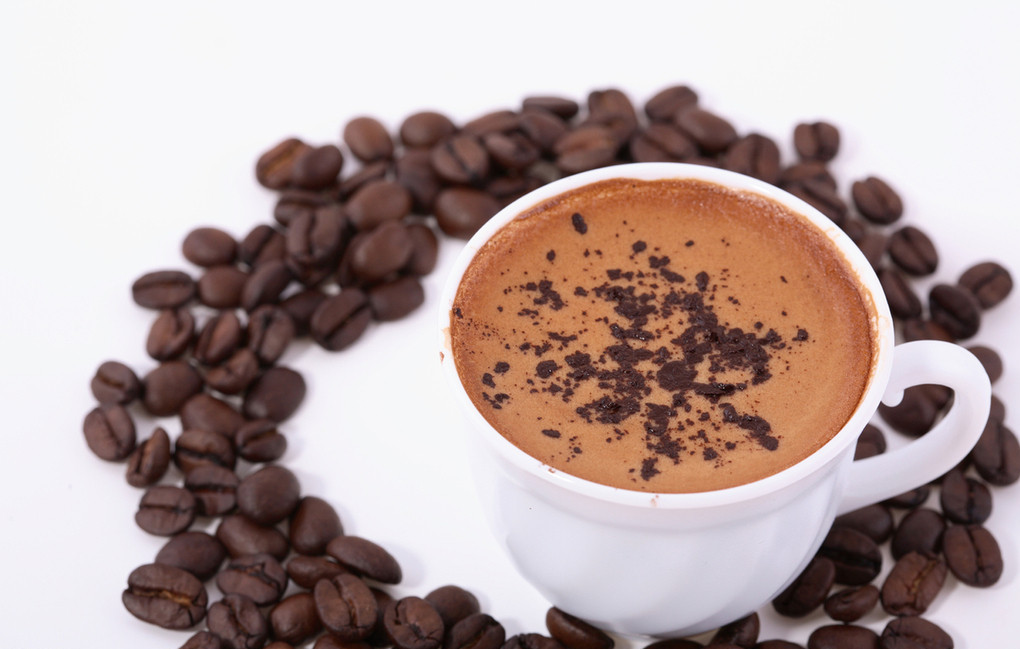
- Choose medium-dark to dark roasts. These minimise acidity and enhance body and sweetness.
- Look for beans from Brazil, Indonesia (especially Mandheling), or Colombia. These origins adapt well to deeper roasting, producing low-acid, full-bodied cups.
- Consider espresso or milk-based drinks. Dark-roasted beans used in espresso develop strong crema and blend well with milk, further softening acidity.
- Avoid light roasts if you’re sensitive to sourness. Light roasts highlight acidity and delicate flavours, which can taste overly sharp if that’s not your preference.
Remember: acidity isn’t inherently bad. But if you’ve had bad experiences with sour or underdeveloped brews, low-acid dark roasts are a great place to start.
Frequently Asked Questions
Does dark roast coffee have less acid than light roast?
Yes. Dark roast coffee has significantly lower perceived acidity because the longer roasting process breaks down acidic compounds and emphasises Maillard reaction byproducts like caramel, chocolate, and nuts. Most dark roasts, such as Mandheling or French-style roasts, will taste smoother and less tangy.
Why does my coffee taste bitter and sour at the same time?
Bitterness and sourness together usually mean the coffee is either under-extracted (sour) or over-extracted (bitter), or the roast level is poorly executed. In dark roasts, sourness may linger if the roast didn’t fully develop, while bitterness dominates from carbonised beans. Proper grind size, water temperature, and brew time help avoid this.
Are light roast coffees more acidic?
Yes. Light roasts preserve more of the coffee’s natural acids, resulting in brighter, tangier flavours—often described as citrusy, berry-like, or floral. These are desirable in specialty coffee but can taste overly sharp or sour to those unfamiliar with them.
Can I make my coffee less acidic at home?
Yes. Choose darker roasts, brew with slightly cooler water (around 90–93°C), or use milk-based brewing methods like lattes. You can also add a pinch of salt or a dash of calcium carbonate (like eggshell powder) to neutralise acidity, though adjusting roast level is the most reliable method.
What beans are naturally less acidic?
Beans from Brazil, Sumatra, and Colombia often produce lower-acid cups, especially when roasted medium-dark or darker. Processing methods like natural or honey can also affect perceived acidity, but roast level has the biggest impact.
Recommended FrontStreet Beans for Low-Acidity Coffee
For smooth, low-acid coffee, try FrontStreet’s PWN Golden Mandheling: a deep-roasted Indonesian classic with herbal, black chocolate, and earthy depth and no sharp acidity. The Brazil Queen Manor offers balanced, nutty, and caramelly notes with a velvety mouthfeel, ideal for espresso or filter. Also consider the 2013 Yunnan Sun-Dried Typica: medium-dark roasted with sweet caramel and cocoa tones, and just a touch of citrus balance. All three deliver rich, satisfying cups with minimal tang. Freshly roasted within 5 days · Orders placed before 17:00 ship the same day · Next-day delivery across most of Guangdong Province.
FrontStreet Coffee is a long-established specialty coffee roaster in Guangzhou China, selling freshly roasted beans from its own farm in Yunnan as well as dozens of carefully selected single-origin beans from around the world for both pour-over and espresso. The products deliver consistently excellent quality and great value, with shipping within 24 hours. Guangzhou's FrontStreet Coffee shop is recommended by many coffee lovers, and the beans are now available online at the Tmall 。
Important Notice :
前街咖啡 FrontStreet Coffee has moved to new addredd:
FrontStreet Coffee Address: 315,Donghua East Road,GuangZhou
Tel:020 38364473

