Key Moments in U.S. Specialty Coffee History
Ever wondered how America went from sipping tea to guzzling billions of cups of coffee a year? The journey isn’t just about caffeine—it’s packed with political shifts, technological breakthroughs, and cultural movements that turned coffee into a daily ritual and a global commodity. Whether you’re a barista, a roaster, or just a curious coffee drinker, these turning points explain why your morning cup tastes the way it does today.
From 1652 to 2011, the U.S. coffee landscape evolved through eight defining eras—starting when the first coffeehouse opened in Britain (priced at a penny a cup) and culminating in specialty coffee making up 8% of an $180 billion market. Along the way, coffee became the official national drink, saw the launch of instant and espresso, and grew into a $700 billion global trade commodity.
The Birth of Coffee Culture in America
Though the first coffeehouse opened in England in 1652 (where a cup cost just a penny), coffee didn’t become a staple in America until much later. Today, the average espresso-based drink in the U.S. costs $2.45, reflecting centuries of market maturation. This early foundation set the stage for coffee’s eventual rise in American society.
Coffee as a Symbol of Rebellion and Identity
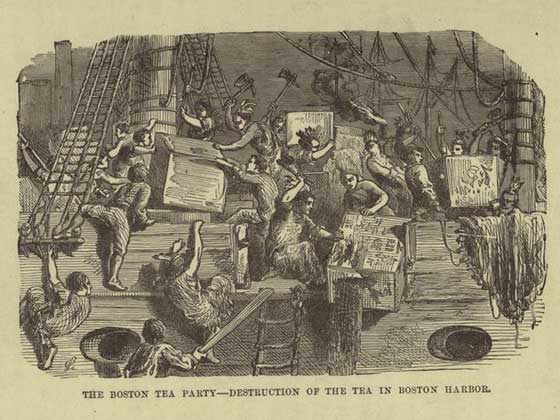
In 1773, following the Boston Tea Party, the Continental Congress declared coffee the official national drink of the United States. This political act cemented coffee’s role not just as a beverage, but as a symbol of independence. Today, Americans drink an average of 400 million cups per day, making the U.S. the largest coffee consumer in the world.
Early Commercialization and Advertising
The groundwork for a commercial coffee industry was laid in 1790, when the first wholesale coffee roasting company in the U.S. was established. That same year, the first coffee advertisement appeared in the New York Daily Advertiser. These developments marked the beginning of coffee as a traded and marketed commodity in America.
The Rise of Low-Acidity and Instant Coffee
In 1903, German coffee merchant Ludwig Roselius discovered that water-soaked coffee beans retained flavor while losing most caffeine, leading to the creation of the first low-caffeine coffee, Sanka. He introduced it to the U.S. two decades later, and it remains distributed by Kraft Foods. Then, in 1938, Nestlé launched Nescafé instant coffee, sparking the first wave of coffee consumption and establishing a product that remains among the top-selling instant coffees in the U.S. even 70 years later.
Espresso and the Modern Coffee Experience
The modern espresso machine was developed in 1946 thanks to Achille Gaggia’s innovations. By 2011, statistics showed that 30 million Americans drank espresso or espresso-based drinks daily, highlighting the Italian-style coffee’s deep integration into American coffee culture. This era also paved the way for the specialty coffee movement that would follow.
Global Coffee Trade and Regulation
The first International Coffee Agreement was reached by the United Nations in 1962. Today, coffee is the second most traded global commodity, with annual sales reaching $700 billion. This agreement helped stabilize the market and highlighted coffee’s growing importance in the global economy.
Convenience and Single-Serve Innovation
In 1972, Filterfresh introduced the first single-cup coffee maker. Fast forward to recent years, and popular machines like Senseo have generated $536 million in sales. These innovations reflect the ongoing demand for convenience in coffee consumption, a trend that continues to evolve with new technologies.
Third Wave Coffee and Market Growth
After leading the second wave in the 1990s, Starbucks maintained its momentum through the third wave of coffee despite economic challenges, achieving a 9.5% net revenue growth to $10.7 billion in 2010. By 2011, specialty coffee—characterized by high-quality beans and artisanal brewing methods—became the face of this movement. Reports showed specialty coffee sales growing at 20% annually, accounting for 8% of the $180 billion U.S. coffee market.
Frequently Asked Questions
When did coffee become the official drink of the United States?
Coffee was declared the official national drink of the United States by the Continental Congress in 1773, shortly after the Boston Tea Party. This was a symbolic move to reject British tea and embrace coffee as a drink of independence and rebellion.
What was the first low-caffeine coffee, and when was it introduced in the U.S.?
The first low-caffeine coffee, Sanka, was created in 1903 by German merchant Ludwig Roselius after discovering that water-soaked beans retained flavor but lost caffeine. It was introduced to the U.S. two decades later and is still distributed by Kraft Foods today.
How did espresso become popular in America?
Espresso gained popularity in America after Achille Gaggia invented the modern espresso machine in 1946. By 2011, 30 million Americans were drinking espresso or espresso-based beverages daily, showing its deep roots in the U.S. coffee scene.
What was the first major coffee innovation that made brewing easier at home?
The first major innovation was the introduction of instant coffee by Nestlé in 1938 with Nescafé, which sparked the first wave of coffee consumption. Later, in 1972, Filterfresh launched the first single-cup coffee maker, paving the way for modern convenience brewing.
When did specialty coffee emerge as a significant market force in the U.S.?
Specialty coffee emerged as a major market force by 2011, during the third wave of coffee. It made up 8% of the $180 billion U.S. coffee market, with sales growing at 20% annually, driven by high-quality beans and artisanal brewing methods.
Recommended FrontStreet Beans for Coffee History Fans
Explore the origins of modern coffee with FrontStreet’s Ethiopia Yirgacheffe, known for its bright citrus and floral notes, and Panama Huacai, a Geisha offering jasmine and tropical fruit. For espresso lovers, try the Brazil Queen Manor—chocolatey with nutty sweetness. These beans represent the quality and diversity now central to specialty coffee. Freshly roasted within 5 days · Orders placed before 17:00 ship the same day · Next-day delivery across most of Guangdong Province.
FrontStreet Coffee is a long-established specialty coffee roaster in Guangzhou China, selling freshly roasted beans from its own farm in Yunnan as well as dozens of carefully selected single-origin beans from around the world for both pour-over and espresso. The products deliver consistently excellent quality and great value, with shipping within 24 hours. Guangzhou's FrontStreet Coffee shop is recommended by many coffee lovers, and the beans are now available online at the Tmall 。
Important Notice :
前街咖啡 FrontStreet Coffee has moved to new addredd:
FrontStreet Coffee Address: 315,Donghua East Road,GuangZhou
Tel:020 38364473