An Introduction to Specialty Coffee Bean Roasting
If you’ve ever wondered why some cups of coffee taste bright and complex while others are flat or bitter, the answer often starts long before brewing — with how the beans were roasted. Roasting transforms green coffee into the flavorful beans we know, but getting it right is far from simple. Whether you’re curious about professional techniques or want to try roasting at home, understanding the fundamentals is key.
To roast coffee well, you need to understand the entire process: from sorting out defective beans, through the physical and chemical changes during roasting, to cooling, sorting again, and resting. Each stage affects the final cup. Most home roasters start small, using basic tools, and learn through trial and error.
Why Green Bean Quality Matters
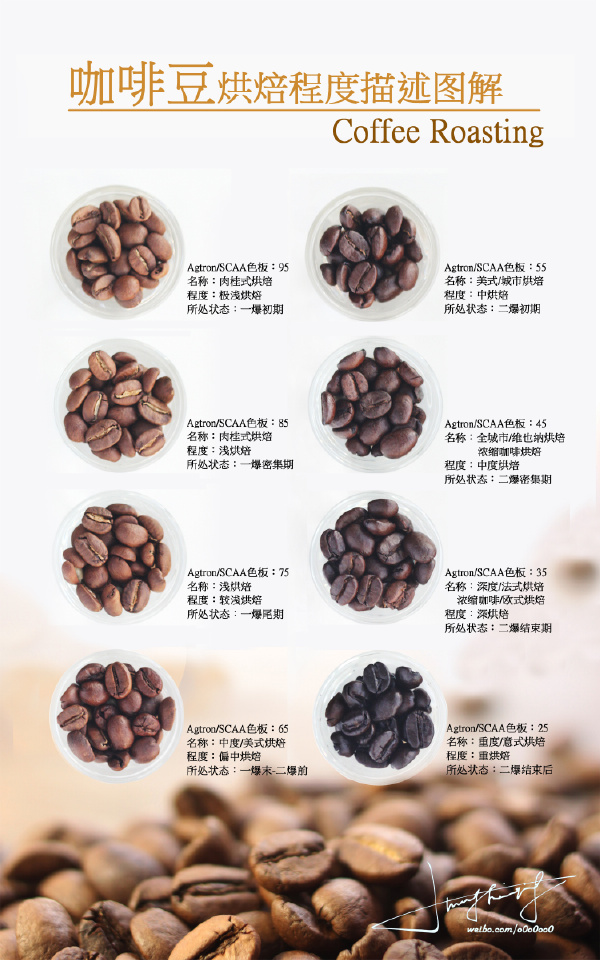
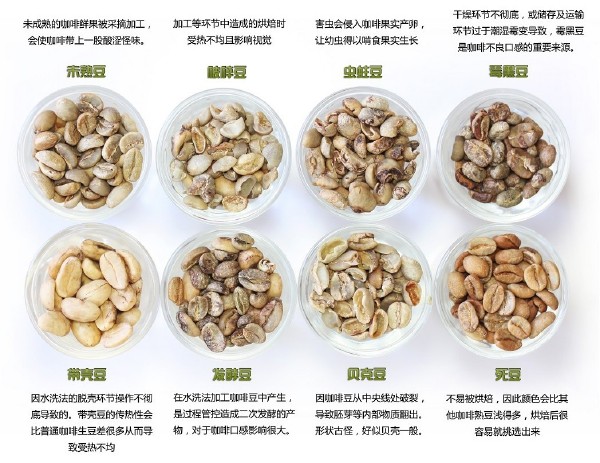
Before roasting even begins, the first critical step is hand-sorting green coffee beans to remove defects. Defective beans — such as insect-damaged, moldy, or underripe ones — can ruin the flavor of the entire batch, even after roasting. Some flaws are visible before roasting, but many only become obvious afterward. Removing these beans is essential for quality, especially in specialty coffee.
How Home Roasting Works
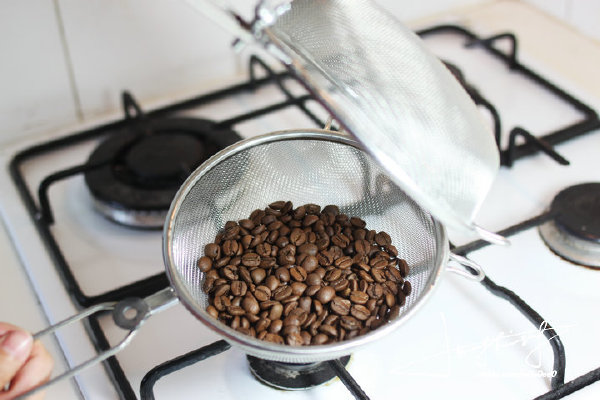
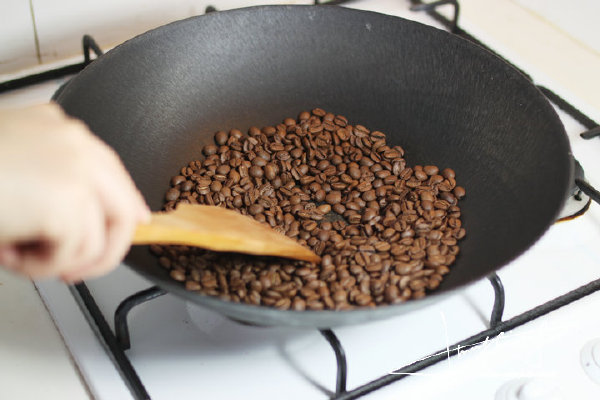
You don’t need a commercial roaster to get started. Many beginners begin with simple tools like a cast iron pan or a hand-cranked sieve roaster . These methods are low-cost and effective for learning the basics. For hand sieves, a typical batch is 100–180g; for a frying pan, aim for 150–300g per roast. Keep in mind: simply stirring hot beans in a pan isn’t roasting — it’s just cooling them down after the roast.
The Science of Roasting Coffee
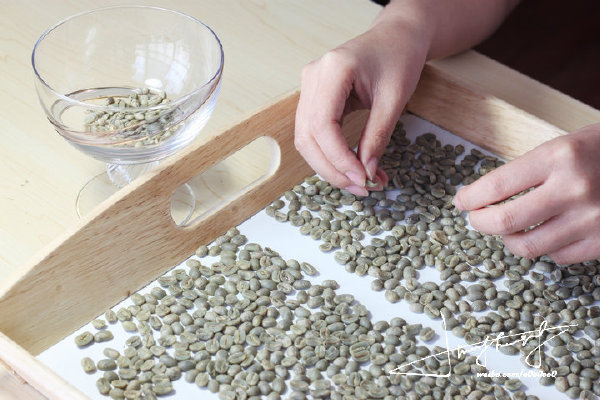
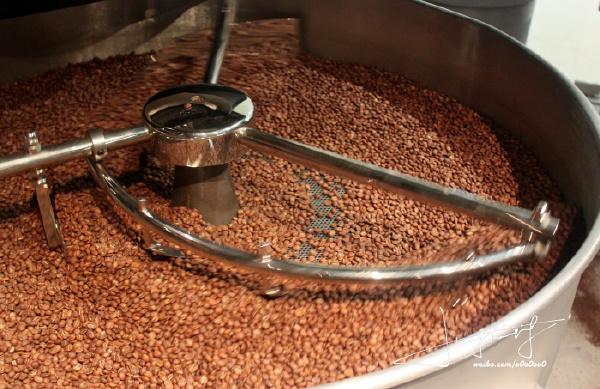
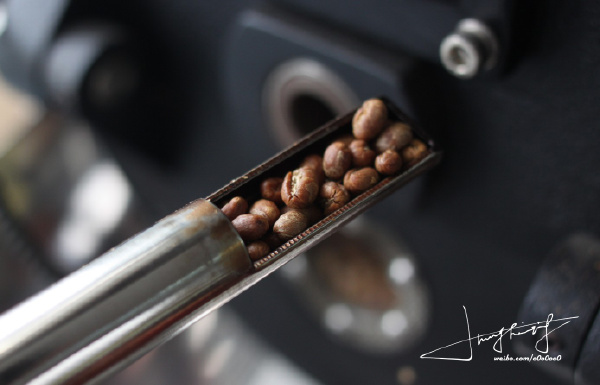
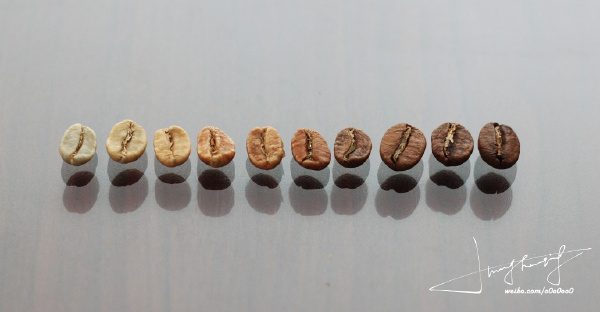
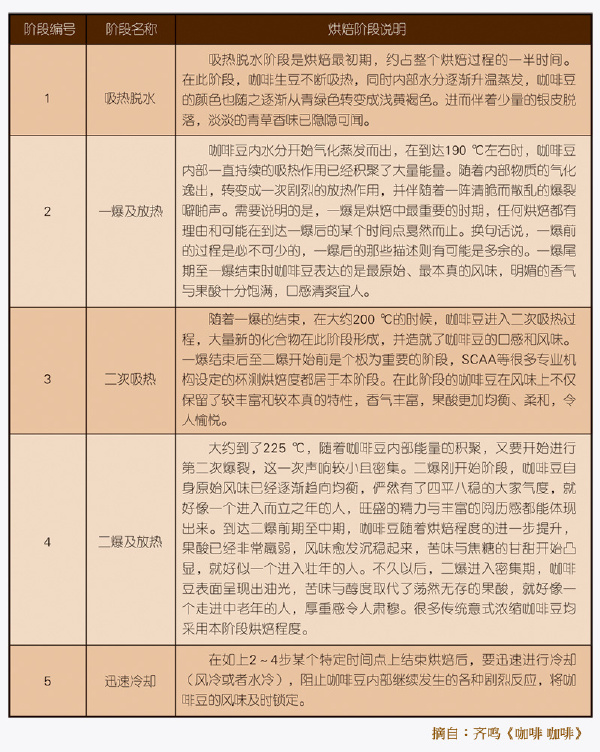
Roasting is a complex process driven by precise heat application. It typically follows stages: drying (removing moisture), then an initial heating phase where beans expand (often called the ‘turning point’), followed by the first and second cracks . These cracks signal physical expansion and major internal chemical shifts, including the Maillard reaction and caramelization. Every coffee origin and variety responds differently, which is why roasters rely on repeated experimentation — both roasting and cupping — to dial in profiles.
Cooling, Sorting, and Resting
Right after roasting, beans must be cooled quickly to stop the process. Then, a second round of defect sorting is done — this time looking for underdeveloped or scorched beans. Freshly roasted coffee needs time to degas, typically around one week, before reaching its optimal flavor window. This resting period is crucial: drinking coffee too soon after roasting often leads to baked or unpleasant flavors. For best results, use beans within one month of roasting and always grind them fresh before brewing.
Frequently Asked Questions
What is the first step in roasting coffee beans?
The first step is hand-sorting or visually inspecting green coffee beans to remove defects like insect damage, mold, or underripe beans. Defects can ruin cup quality and are often more visible after roasting, so removing them early is essential for high-quality specialty coffee.
Can I roast coffee beans at home without a machine?
Yes, you can start roasting at home using basic tools like a cast iron pan or a hand-cranked sieve roaster . For hand sieves, roast 100–180g per batch; for pans, use 150–300g. These methods are low-cost and good for learning, though they require effort and practice.
What happens during the coffee roasting process?
Roasting involves drying the beans, causing them to expand, and then going through physical cracks known as first crack and second crack . These stages trigger chemical reactions like the Maillard reaction and caramelization, which develop flavor. Each origin reacts differently, requiring experience to roast consistently well.
Do I need to cool roasted coffee beans right away?
Yes, cooling roasted beans immediately after the roast stops is crucial to halt further cooking. Proper cooling ensures the roast profile stops where intended and prevents over-roasting or baked flavors.
How long should coffee rest after roasting?
Coffee should rest for about one week after roasting to allow gases like CO₂ to dissipate. This resting or “degassing” period helps the coffee reach its optimal flavor. Most specialty coffee tastes best within one month of roasting.
Why do some roasted beans still have defects?
Some defects, like underdevelopment or scorching, are only visible after roasting. That’s why a second round of sorting is necessary right after roasting, to remove any beans that didn’t roast properly and could negatively affect the cup.
Recommended FrontStreet Coffee for Roasting Beginners
Start your roasting journey with FrontStreet Coffee’s single-origin offerings: try their Ethiopia Yirgacheffe for floral and citrus notes, or their Colombia Huila for balanced caramel and nuttiness. Both are excellent for learning roast profiles and developing your palate. These beans are carefully sourced and ideal for experimenting with home roasting techniques. Freshly roasted within 5 days · Orders placed before 17:00 ship the same day · Next-day delivery across most of Guangdong Province.
FrontStreet Coffee is a long-established specialty coffee roaster in Guangzhou China, selling freshly roasted beans from its own farm in Yunnan as well as dozens of carefully selected single-origin beans from around the world for both pour-over and espresso. The products deliver consistently excellent quality and great value, with shipping within 24 hours. Guangzhou's FrontStreet Coffee shop is recommended by many coffee lovers, and the beans are now available online at the Tmall 。
Important Notice :
前街咖啡 FrontStreet Coffee has moved to new addredd:
FrontStreet Coffee Address: 315,Donghua East Road,GuangZhou
Tel:020 38364473