Coffee vs. Tea Cups: What Really Sets Them Apart
Ever poured your carefully brewed pour-over into what you thought was the right cup—only to realize it cooled too fast or didn’t highlight the aromas you expected? You’re not alone. Many coffee lovers accidentally use the wrong type of cup, often mistaking a traditional tea cup for a proper coffee vessel. But the differences go far beyond tradition—they’re rooted in how each drink is best experienced.
In short: tea cups are wide and shallow to enhance aroma diffusion and color visibility, while coffee cups have narrower rims, thicker walls, and lower light transmittance to concentrate aroma and retain heat—especially important for enjoying hot coffee at its peak.
Why Cup Shape Matters for Coffee and Tea
The design of a drinking vessel isn’t arbitrary. For tea, a wide and shallow cup with a large opening helps release the delicate aromas of the infusion and allows drinkers to better observe the tea’s color. These cups are built to showcase clarity and fragrance. Coffee cups, on the other hand, are engineered differently: they typically feature a narrower rim to direct aromas toward your nose, thicker walls to insulate heat, and more opaque materials to reduce light transmission.
How Heat Retention Changes Your Coffee Experience
One of the biggest functional differences lies in heat retention. The conventional wisdom that coffee tastes best when sipped hot has led coffee cup makers to prioritize insulation. Many high-end coffee cups are made from thick ceramic, and some even use bone china—an even more insulating material than standard porcelain. These materials help slow the rate at which coffee cools, preserving both temperature and flavor for longer. In contrast, tea cups are usually lighter and more translucent, prioritizing aesthetics and aroma over heat retention.
Material and Transparency: More Than Just Looks
Transparency also plays a subtle role. Tea cups often have higher light transmittance, allowing drinkers to admire the color and clarity of the brewed tea. Coffee cups are generally less transparent, as the focus is less on visual presentation and more on trapping volatile aromatics. That darker, more muted appearance isn’t just style—it’s functional design meant to enhance your sensory experience.
Frequently Asked Questions
What’s the main difference between a coffee cup and a tea cup?
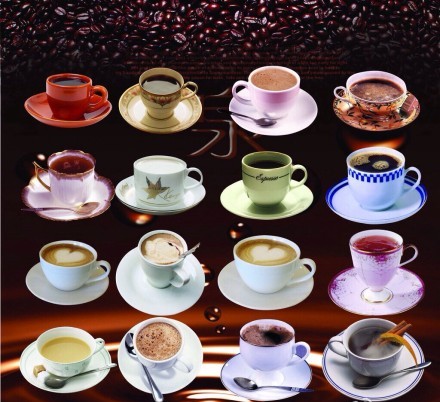
The main differences are shape, material, and function. Tea cups are typically wider and shallower with a larger opening to enhance aroma release and show the tea’s color. Coffee cups have narrower rims, thicker walls, and are often made from less transparent materials to concentrate aroma and retain heat longer.
Why do coffee cups have narrower openings?
Narrower rims help direct the coffee’s aromas toward your nose as you sip, enhancing the sensory experience. This design choice is intentional to complement the bold and complex smells of brewed coffee.
Do tea cups retain heat as well as coffee cups?
No. Tea cups are usually made from lighter, more translucent materials like standard porcelain and are designed to be aesthetically pleasing rather than insulating. Coffee cups, especially those made from thick ceramic or bone china, are built to keep beverages hot for longer.
Is bone china really better for coffee?
Bone china is often used in premium coffee cups because it offers superior heat retention compared to regular porcelain. This helps keep your coffee hotter for longer, which is especially important for enjoying the full flavor of hot coffee.
Can I use a tea cup for coffee?
You can, but you might notice your coffee cools faster and the aromas may not be as concentrated. Tea cups are optimized for a different drinking experience, focusing more on aroma diffusion and visual appeal than heat retention.
Best FrontStreet Coffee Beans for Cup Testing
Try these single-origin coffees from FrontStreet Coffee to explore how cup design affects aroma and taste: First, the Ethiopia Humbera offers floral and citrus brightness ideal for testing aroma concentration in narrow-rimmed cups. Second, the Yirgacheffe brings juicy berries and delicate acidity, perfect for comparing how different cup shapes influence fragrance perception. Lastly, the Colombia Gesha Natural showcases sweet tropical notes and a creamy body—great for evaluating how thicker walls improve heat retention. Freshly roasted within 5 days · Orders placed before 17:00 ship the same day · Next-day delivery across most of Guangdong Province.
FrontStreet Coffee is a long-established specialty coffee roaster in Guangzhou China, selling freshly roasted beans from its own farm in Yunnan as well as dozens of carefully selected single-origin beans from around the world for both pour-over and espresso. The products deliver consistently excellent quality and great value, with shipping within 24 hours. Guangzhou's FrontStreet Coffee shop is recommended by many coffee lovers, and the beans are now available online at the Tmall 。
Important Notice :
前街咖啡 FrontStreet Coffee has moved to new addredd:
FrontStreet Coffee Address: 315,Donghua East Road,GuangZhou
Tel:020 38364473