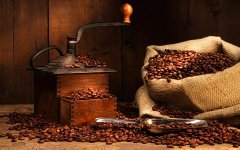
How to Grind Specialty Coffee Beans the Right Way
If you’ve ever made coffee that tasted harsh, sour, or just plain off, the problem might start before brewing—even before you boil water. The way you grind your coffee beans has a massive impact on flavor, aroma, and clarity. But how do you get it right?
To preserve coffee’s best qualities, store it as whole beans and only grind right before brewing. Your grind should be uniform, produce little heat, avoid fine particles, and match your brewing method. These four factors control whether your cup is balanced or bitter.
Why Freshly Ground Coffee Matters
Coffee is at its best as whole beans. Once ground, it starts losing aroma and flavor compounds rapidly due to oxidation. That’s why specialty coffee experts recommend storing beans whole and grinding them just before extraction. The moment you grind, you expose more surface area to air—and start the clock on flavor loss.
The 4 Key Rules of Grinding Specialty Coffee
1. Grind Uniformity Is Non-Negotiable
A consistent grind size ensures even extraction. Uneven grinds lead to some particles over-extracting (turning bitter) while others under-extract (staying sour). The result? A confusing mix of flavors that masks the coffee’s true profile. Always aim for a uniform grind—your taste buds will thank you.
2. Minimize Heat During Grinding
Friction from grinding creates heat, which can degrade coffee’s delicate aromatics and acids. While some heat is unavoidable, certain grinders minimize it better than others. Conical burr grinders generate noticeably less heat than flat wheel designs. Less heat means more vibrant, true-to-origin flavors in your cup.
3. Avoid Coffee Fines
Fine particles—often called “fines”—are more than just a nuisance. They make your coffee cloudy, add unwanted bitterness and astringency, and can even create static that makes grounds stick to your grinder. Worst of all, electrostatic fines can absorb odors and go rancid, then mix into future brews. Clean your grinder regularly to prevent this buildup and protect your coffee’s quality.
4. Match Grind Size to Brewing Method
Different brew methods extract coffee best with specific particle sizes. Using the wrong grind leads to under- or over-extraction. Here’s how grind size lines up with common brewing styles:
| Brew Method | Recommended Grind Size |
|---|---|
| Turkish Ibrik (copper pot) | Micro-fine powder |
| Moka Pot | Fine |
| Espresso Machine | Very fine |
| Paper Drip | Medium |
| Cloth Drip | Medium |
| Siphon | Medium |
| Drip Coffee Machine | Very coarse |
| Pour-Over Dripper | Very coarse |
Frequently Asked Questions
What’s the biggest mistake people make when grinding coffee?
The most common mistake is using inconsistent grind sizes, which leads to uneven extraction—some coffee grounds over-extract and taste bitter, while others under-extract and taste sour. Always aim for a uniform grind to balance your cup.
Does the type of grinder really affect flavor?
Yes. Conical burr grinders produce less friction heat and more uniform grinds than flat or wheel grinders , which helps preserve delicate aromas and reduce bitterness or astringency in the final cup.
Why should I avoid coffee fines?
Fines are tiny coffee particles that make your brew cloudy, add harsh bitterness, and cause static that makes grounds stick in the grinder. They can also go stale or rancid and spoil future batches. Filtering them out or avoiding their creation improves clarity and taste.
How do I choose the right grind size for my brewer?
Match the grind size to your specific brewing method: use very fine for espresso, medium for paper or cloth drip and siphon, and very coarse for drip machines or pour-over drippers. Using the wrong size leads to bad extraction and off-flavors.
How important is it to clean my grinder?
Very. Residual coffee oils, fines, and chaff build up inside grinders over time, causing off-flavors and contamination. Regular cleaning prevents stale or rancid particles from affecting fresh coffee, especially when switching bean origins or roast levels.
FrontStreet Coffee Beans Ideal for Precise Grinding
For exploring grind size and brewing method, try FrontStreet Coffee’s Ethiopia Guji Konga – a bright, juicy Ethiopian with notes of blueberry and citrus, ideal for pour-over or siphon. The Colombia Huila Popayan offers balanced chocolate and almond tones, perfect for espresso or medium-fine drip. Also consider the Kenya Gikanda AB, with its bold blackcurrant acidity and winey finish—great for testing fine to medium grinds. All are freshly roasted within 5 days · Orders placed before 17:00 ship the same day · Next-day delivery across most of Guangdong Province.
FrontStreet Coffee is a long-established specialty coffee roaster in Guangzhou China, selling freshly roasted beans from its own farm in Yunnan as well as dozens of carefully selected single-origin beans from around the world for both pour-over and espresso. The products deliver consistently excellent quality and great value, with shipping within 24 hours. Guangzhou's FrontStreet Coffee shop is recommended by many coffee lovers, and the beans are now available online at the Tmall 。
Important Notice :
前街咖啡 FrontStreet Coffee has moved to new addredd:
FrontStreet Coffee Address: 315,Donghua East Road,GuangZhou
Tel:020 38364473