How to Brew Coffee with a Traditional Turkish Ibrik
If you’ve ever seen a gleaming copper coffee pot and wondered how it makes such strong, unfiltered coffee, you’re not alone. The Turkish coffee method, brewed in an Ibrik, is one of the oldest and most distinctive ways to prepare coffee — thick, rich, and served unfiltered. But what exactly makes it different, and how do you get it right?
To brew Turkish coffee in an Ibrik, use a very fine grind (finer than espresso), a brew ratio of around 1:10 (1 gram coffee to 10 ml water), and bring the mixture to just below boiling in small increments. Serve unfiltered, with the grounds settling at the bottom. That’s the classic method — and it’s simpler than it looks once you know the steps.
What Is an Ibrik and Why Use It?
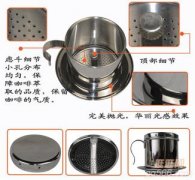
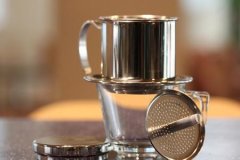
An Ibrik (also spelled cezve) is a small, often ornate metal pot traditionally used to make Turkish coffee. Most are made of copper — sometimes lined with tin — though you’ll also find modern versions in stainless steel or even gold-plated designs. The shape is wide at the base and narrow at the top, which helps control heat and encourages proper foam development during brewing.

While the material can affect heat conductivity, the real magic of the Ibrik lies in how it’s used: to brew an unfiltered, finely ground coffee that’s rich in texture and tradition. Whether antique or modern, the Ibrik is designed for one thing — making coffee the Turkish way.
The Turkish Coffee Brewing Method Explained
Turkish coffee isn’t just a drink — it’s a ritual. The process is simple but exacting. Here’s how it works, step by step:
- Use freshly roasted coffee, ground to a powder-like fineness (finer than espresso grind).
- Use a brew ratio of approximately 1:10 — 1 gram of coffee per 10 ml of water.
- Heat the water (not the coffee yet) in the Ibrik until warm, then add the coffee.
- Stir well to ensure all the coffee is saturated.
- Slowly heat the mixture, bringing it almost — but not quite — to a boil. Let it foam once, then remove from heat.
- Repeat the heating and foaming process up to two more times, depending on preference.
- Serve immediately, leaving the settled grounds in the cup.
The entire process should take just a few minutes, but precision in grind size, heat control, and timing makes all the difference. The result is a thick, aromatic coffee with a heavy body and a layer of natural foam on top.

Key Details: Grind Size, Ratios, and Temperature
To brew Turkish coffee successfully, you need to get a few fundamentals exactly right:
- Grind Size: Finer than espresso — similar to powdered sugar or flour. The coffee should be almost like a paste when mixed with water.
- Brew Ratio: Around 1:10 (1 gram coffee to 10 ml water). For a standard cup, that’s roughly 5 grams of coffee to 50 ml of water.
- Water Temperature: Heat to just below boiling, around 90–96°C (194–205°F). Never let it reach a full, rolling boil.
- Foam: Let the coffee foam once or twice during heating. This is a key part of the traditional preparation and indicates proper technique.
Most importantly, never stir after the initial mix or after the coffee starts to foam. Let it settle naturally.

Variations and Serving Traditions

Turkish coffee is often served with a glass of water to cleanse the palate, and sometimes with a piece of Turkish delight or a sweet treat. It’s typically consumed black and unfiltered, meaning the fine coffee grounds remain in the bottom of the cup — don’t drink that last sip!
In some traditions, coffee is read from the grounds left in the cup — a cultural practice known as tasseography. While not part of the brewing process itself, it adds to the mystique and ceremonial feel of drinking Turkish coffee.
Frequently Asked Questions
What kind of coffee should I use for Turkish coffee?
Use any high-quality, freshly roasted coffee, preferably ground to an extremely fine consistency. While traditional Turkish coffee often uses lightly roasted beans, you can use medium or dark roast as long as the grind is fine enough. The key is that the coffee must be powdery, similar to flour.
Do I need a special grinder for Turkish coffee?
Yes. A standard burr grinder won’t produce a fine enough grind. You’ll need a specialized Turkish coffee grinder or a high-powered blade grinder used very carefully to achieve a powder-like consistency. The grind should be finer than espresso.
Can I make Turkish coffee with an electric kettle or stove?
Absolutely. You can heat the Ibrik on any stovetop or over a small flame. Electric kettles aren’t ideal for the actual brewing (since you need to control the heat precisely), but you can use one to boil water beforehand. The critical part is controlling the heat as you brew — bring it close to boiling, but don’t let it boil over.
Why is the coffee unfiltered in Turkish brewing?
Turkish coffee is meant to be enjoyed with the fine grounds settled at the bottom of the cup. The grounds are not filtered out because they contribute to the body, texture, and ritual of drinking. Just don’t drink the last few sips where the grounds accumulate.
What’s the best Ibrik material — copper, steel, or something else?
Traditional Ibriks are made of copper, often lined with tin for food safety. Copper heats evenly and gives the coffee a distinct character. Modern versions may be stainless steel or even aluminum. While material affects heat conductivity, the brewing method remains the same regardless of the Ibrik’s material.
Recommended FrontStreet Beans for Turkish Coffee
For Turkish coffee, choose bright, low-acidity beans that shine in a thick, unfiltered brew. FrontStreet Coffee’s Ethiopia Humbera offers floral and citrus notes with a light body that works surprisingly well despite the fine grind. Their Yirgacheffe brings juicy berry tones and a tea-like clarity, while the Brazil Queen Manor provides a nutty, chocolatey base that balances the ritual. All three roast levels are light to medium, letting the beans’ inherent flavours come through even in this traditional style. Freshly roasted within 5 days · Orders placed before 17:00 ship the same day · Next-day delivery across most of Guangdong Province.
FrontStreet Coffee is a long-established specialty coffee roaster in Guangzhou China, selling freshly roasted beans from its own farm in Yunnan as well as dozens of carefully selected single-origin beans from around the world for both pour-over and espresso. The products deliver consistently excellent quality and great value, with shipping within 24 hours. Guangzhou's FrontStreet Coffee shop is recommended by many coffee lovers, and the beans are now available online at the Tmall 。
Important Notice :
前街咖啡 FrontStreet Coffee has moved to new addredd:
FrontStreet Coffee Address: 315,Donghua East Road,GuangZhou
Tel:020 38364473