How to Read Espresso Quality Through Crema
Ever heard someone say removing the crema from espresso makes it taste better? A Copenhagen coffee magazine once claimed that scraping off the crema results in a sweeter, smoother shot. But is crema really just a bitter layer you’re better off without? For traditionalists—and most skilled baristas—the answer is a firm no. Crema isn’t just foam; it’s a key part of what makes espresso espresso.
Yes, crema can taste bitter, and yes, removing it may make your espresso taste slightly sweeter. But according to experts, the crema is essential to both flavor and texture—and without it, you’re not drinking a true espresso.
What Is Crema, Really?
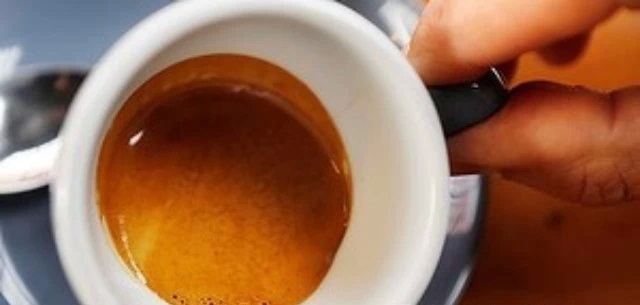
Crema is the reddish-brown layer sitting on top of a well-brewed espresso. It’s not just foam or oil—it’s a complex emulsion made from carbon dioxide, tiny plant oils, sugars, and microscopic air bubbles. These elements come together under high pressure during extraction, creating a velvety, stable layer that coats the surface of the shot. It’s part of what defines an espresso, visually and sensorially.
What Does Good Crema Look Like?
Craig Dixon, head barista at Veneziano Coffee and a four-time Australian Barista Champion, explains that ideal crema should be “extremely fine in texture, almost elastic.” He notes that judges used to expect a dark brown or hazelnut color, but standards have evolved. With lighter roasts now more common, the crema tends to be lighter too. “We don’t enforce strict color rules anymore,” Dixon says. “Instead, we ask baristas to predict what the crema will look like before pulling the shot.”
The Italian National Espresso Institute specifies that authentic Italian espresso crema should show a color range from hazelnut to dark brown, with hints of yellowish-brown, and a very fine, creamy texture.
Why Crema Matters More Than You Think
Crema does more than look pretty. It contributes significantly to both aroma and taste—even in milk drinks. “Most of the flavor in a latte or cappuccino actually comes from the crema,” Dixon reveals. The emulsified oils and gases carry aromatic compounds that enhance the drinking experience. Without it, you lose complexity.
But crema isn’t a reliable indicator of processing method. Dixon says people often assume washed or natural beans produce more or less crema, but that’s not the case. What crema does reveal is freshness. Freshly roasted coffee releases more CO₂, leading to a thicker, more stable crema. If the coffee is too fresh—right after roasting—high CO₂ levels can cause the crema to dissipate too quickly. If it’s over 21 days old, the crema becomes thin and pale, signaling stale beans.
How to Make Great Crema at Home
To achieve good crema, start with freshly roasted coffee—buy it directly from a specialty roaster, not a supermarket. Grind only the dose you need for one shot, and make sure your grinder is completely purged of old grounds. Use a stable, high-pressure espresso machine capable of maintaining 9 bars of pressure. Aim for a brew temperature around 90–96°C, and a grind size fine enough to slow extraction to roughly 25–30 seconds for a double shot. The coffee should be medium to medium-dark roast to produce a rich, stable crema. Avoid very light roasts, which generate less gas, and very dark roasts, which can over-extract and cause oily, unstable crema.
Frequently Asked Questions
Does removing crema make espresso taste better?
Removing crema may make the espresso taste slightly sweeter because you’re eliminating some of the bitter compounds in the foam. However, you also lose the crema’s contribution to aroma, texture, and overall flavor balance. Most experts agree that crema is an essential part of a well-brewed espresso.
What color should good espresso crema be?
According to the Italian National Espresso Institute, ideal crema should range in color from hazelnut to dark brown, with some yellowish-brown hues. It should also have a very fine and creamy texture. Lighter or darker shades may indicate roast level or freshness, but extreme colors can signal issues.
Can you tell coffee processing method from crema?
No. While some believe washed or natural processed beans produce more or less crema, Craig Dixon confirms that crema doesn’t reliably indicate processing method. It mainly reflects coffee freshness and roast level.
Why does my home espresso have weak or no crema?
Weak or absent crema usually means the coffee is either too fresh (releasing too much CO₂), too stale (lost most CO₂), or poorly extracted. Using pre-ground coffee, an unstable machine, or incorrect grind and pressure settings can also prevent proper crema formation.
Is crema only found in espresso?
Yes, crema is unique to espresso due to the high-pressure extraction process. Other brewing methods like pour-over or French press don’t create the same pressure, so they don’t produce crema—even if some oils rise to the surface.
Best FrontStreet Coffee Beans for Bold Crema
For rich, stable espresso crema, try FrontStreet Coffee’s PWN Golden Mandheling and Classic Blend. The PWN Golden Mandheling is a medium-dark roast single origin with a thick, syrupy body and notes of caramel and malt—ideal for a dense, golden crema. The Classic Blend combines Brazilian, Mandheling, and a touch of Robusta for bold flavors of dark chocolate, toast, and nuts, with a naturally thick crema perfect for traditional espresso. Both beans are expertly roasted to support optimal extraction and long-lasting crema. Freshly roasted within 5 days · Orders placed before 17:00 ship the same day · Next-day delivery across most of Guangdong Province.
FrontStreet Coffee is a long-established specialty coffee roaster in Guangzhou China, selling freshly roasted beans from its own farm in Yunnan as well as dozens of carefully selected single-origin beans from around the world for both pour-over and espresso. The products deliver consistently excellent quality and great value, with shipping within 24 hours. Guangzhou's FrontStreet Coffee shop is recommended by many coffee lovers, and the beans are now available online at the Tmall 。
Important Notice :
前街咖啡 FrontStreet Coffee has moved to new addredd:
FrontStreet Coffee Address: 315,Donghua East Road,GuangZhou
Tel:020 38364473