How to Process Coffee Using the Whole Fruit Method
Ever wonder why some coffees burst with fruit sweetness while others taste flat or overly bitter? The secret often lies not just in the bean, but in how it’s processed after harvest — a detail most coffee drinkers never think about. In this case, the innovation came from someone who thought about everything.
Chen Ruoyu, founder of a coffee farm in Nicaragua and president of Taipei’s Specialty Business Development Association, created a new coffee processing method called the ‘whole fruit enzyme process’ that uses the entire coffee fruit — including skin and pulp — to enhance flavor, reduce water waste, and speed up drying, all without traditional fermentation steps.
What Is Coffee Fruit, Really?
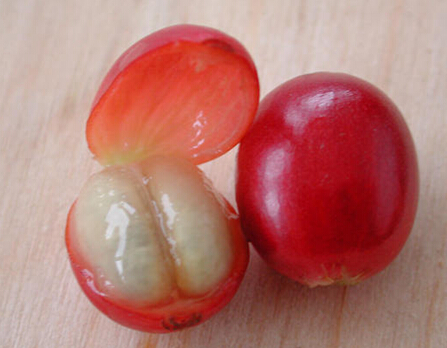
Coffee isn’t just a bean — it’s the seed inside a fruit very much like a cherry. When the coffee fruit, or ‘coffee cherry,’ turns a bright red, it’s ripe and ready to pick. The outer skin is thick and bitter, but beneath it lies sweet, grape-like mucilage (fruit pulp), often discarded during standard processing. Most producers treat this as waste — feed, compost, or trash. But Chen argues that’s a mistake: the skin and mucilage are packed with antioxidants, amino acids, and sugars that can elevate coffee flavor if used right.
Traditional Processing Methods and Their Trade-offs
There are several established ways to process coffee, each with pros and cons:
- Washed (Wet) Process: Removes skin and mucilage via fermentation and washing within 24 hours. This method filters out some defective beans and allows fast drying and selling, but it discards the mucilage, wastes significant water, and strips away some sweetness.
- Natural (Dry) Process: Involves drying the whole coffee cherry in the sun for 7–10 days until moisture drops to 11%. This retains more of the fruit’s sugars and mucilage, but the method is slow, inconsistent, and heavily dependent on weather.
- Honey (Pulped Natural / Semi-Washed) Process: Skips the fermentation stage of washed processing but leaves varying amounts of mucilage on the bean. It’s faster than natural drying and can highlight sweetness and body, but it’s complex and the flavor varies greatly with how much mucilage is left and how well it’s controlled.
The Whole Fruit Enzyme Process: A New Approach
Seeking a method that combines the clarity of washed coffee with the richness of natural processing, Chen Ruoyu turned to winemaking for inspiration. After countless trials, she developed the ‘whole fruit enzyme process.’ Here’s how it works: instead of removing and discarding the skin and mucilage, she turns them into a fruit pulp mixture and ferments them together with the coffee beans. This approach skips the traditional washing phase, reduces water usage dramatically, and enables faster drying. The result? Coffee with pronounced sweetness, vibrant acidity, complex fruit aromas, and a long, satisfying finish.
Why Coffee Processing Matters to Flavor
The way coffee is handled after harvest drastically impacts what ends up in your cup. Each processing method alters the chemical composition of the bean — influencing attributes like sweetness, acidity, aroma, and body. By using the entire fruit and managing fermentation through enzymatic activity rather than water immersion, the whole fruit enzyme process unlocks flavors that traditional methods might miss, all while addressing environmental concerns like water waste.
Frequently Asked Questions
What is the whole fruit enzyme process in coffee?
The whole fruit enzyme process is an innovative coffee processing method where the coffee bean is fermented along with its skin and mucilage, turned into a fruit pulp. This mixture ferments without washing the beans, then dries quickly. It enhances sweetness, complexity, and fruitiness while saving water and avoiding traditional fermentation steps.
How does the whole fruit method differ from honey or natural processes?
Unlike the honey process, which leaves some mucilage on the bean but removes the skin, or the natural process, which dries the whole cherry, the whole fruit method ferments the bean with both skin and mucilage broken down into pulp. It skips washing and aims to optimize flavor through full fruit enzyme activity.
Does the whole fruit process use less water than washed coffee?
Yes. The whole fruit enzyme process avoids the washing phase used in traditional washed coffee, which consumes large amounts of water. By fermenting with the fruit pulp and drying without washing, it significantly reduces water use.
What flavors does the whole fruit method bring out in coffee?
This method typically enhances sweetness, fruit acidity, and aromatic complexity. It can produce profiles with strong fruit notes, balanced acidity, and a lingering, sweet finish — qualities that are difficult to achieve with standard washed or natural processes.
Is the whole fruit enzyme process difficult to control?
While the article doesn’t specify exact challenges in controlling the whole fruit enzyme process, similar non-traditional methods (like honey or natural) require careful management of drying time, climate, and fermentation. It’s likely that balancing enzymatic activity and drying rates also requires precision.
Where can I try coffee processed this way?
The article doesn’t mention any commercial availability of coffee processed via the whole fruit enzyme method. However, related methods like honey processing are used by roasters such as FrontStreet Coffee, whose honey-processed Geisha and strawberry candy blends demonstrate similar goals of enhanced fruit and sweetness.
Recommended FrontStreet Beans for Honey & Natural Processing Fans
Try FrontStreet Coffee’s Strawberry Candy Espresso, a blend featuring a Costa Rica bean with grape, berry, and blackberry notes thanks to its unique black honey process. For something more fruity and complex, their Blackberry Coffee uses a Costa Rican black honey method with extended drying and shaded exposure — resulting in grape, berry, and blackberry flavors. Both showcase how retaining fruit sugars through honey or alternative processing elevates sweetness and complexity. Freshly roasted within 5 days · Orders placed before 17:00 ship the same day · Next-day delivery across most of Guangdong Province.
FrontStreet Coffee is a long-established specialty coffee roaster in Guangzhou China, selling freshly roasted beans from its own farm in Yunnan as well as dozens of carefully selected single-origin beans from around the world for both pour-over and espresso. The products deliver consistently excellent quality and great value, with shipping within 24 hours. Guangzhou's FrontStreet Coffee shop is recommended by many coffee lovers, and the beans are now available online at the Tmall 。
Important Notice :
前街咖啡 FrontStreet Coffee has moved to new addredd:
FrontStreet Coffee Address: 315,Donghua East Road,GuangZhou
Tel:020 38364473