How Coffee Flavor Changes with Extraction Variables
If your pour-over tastes either too sour or unpleasantly bitter, you’re not alone. Most coffee drinkers struggle to find the sweet spot where flavors are balanced—not overly sharp or dull. The challenge isn’t the beans alone, but how extraction conditions shape what ends up in your cup.
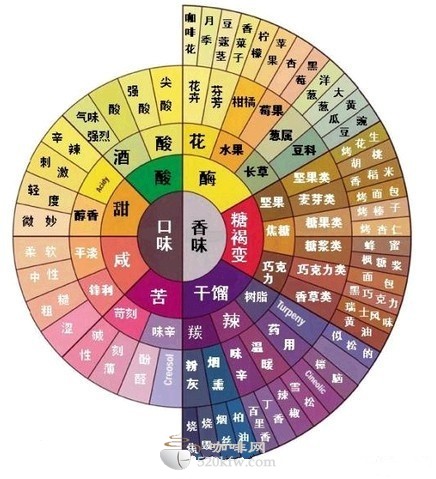
The key insight? Every major variable in brewing—roast level, grind size, dose, water temperature, brew speed, and yield—shifts flavor along a clear spectrum from bright and acidic to deep and bitter. Master these, and you control the balance.
Coffee is fundamentally a balance-seeking art. The interplay of extraction variables determines whether your cup leans toward lively acidity or heavy bitterness. These six factors follow a consistent pattern:
- Roast level: Light roasts (like a bright Yirgacheffe) taste more acidic; dark roasts (such as a PWN Golden Mandheling) develop deeper, bitter notes due to prolonged Maillard reactions and more soluble compounds.
- Grind size: Coarse grinds (common in French press or cold brew) extract more slowly, emphasizing acidity. Fine grinds (used in espresso or AeroPress) increase surface area, speeding up extraction and intensifying bitterness.
- Dose (amount of coffee): Using less coffee often results in under-extracted, sour cups. More coffee, properly extracted, tends to produce a richer, sometimes overly bitter profile if not balanced with brew time or yield.
- Water temperature: Lower temperatures (below 90°C / 194°F) slow extraction, preserving delicate acids. Higher temperatures (above 94°C / 201°F) pull out more bitters and deeper solubles.
- Brew speed (contact time): Faster extractions (short contact time) leave more acids behind. Slower brews (longer contact time) allow more bitter and astringent compounds to dissolve.
- Yield (total brewed volume): A larger yield (more liquid per gram of coffee) often dilutes extraction, keeping it brighter. A smaller yield (less liquid) means more concentration, typically resulting in a heavier, bitterer cup.
Why Roast Level Drives Acidity or Bitterness
Light roasts preserve the bean’s inherent acids and floral or fruity characteristics. For example, a Brazilian Typica or Ethiopian Yirgacheffe, roasted lightly, highlights citrus, berries, and sweetness without overwhelming bitterness. As roast levels deepen—moving to medium-dark or dark—the Maillard reaction and caramelization break down acids and develop compounds like quinic acid and phenols, which taste bitter and ashy. Dark roasts such as a classic Mandheling or French-style roast are designed for bold, less acidic profiles.
How Grind Size Alters Extraction Speed
Grind size directly affects surface area and thus extraction rate. A coarse grind (similar to sea salt) used in methods like pour-over or French press extracts more slowly, favoring brighter acids and lighter body. A fine grind (like powdered sugar or table salt) increases extraction speed, pulling out more bitter elements and body-enhancing compounds. For instance, brewing a washed Geisha with a fine grind at high temperature can quickly push the cup into over-extracted bitterness if not carefully timed.
The Role of Dose, Temperature, Speed, and Yield
Beyond grind and roast, four other factors play pivotal roles:
- Coffee dose: More coffee in the filter basket increases extraction potential but demands precise control over brew time and water amount to avoid imbalance.
- Water temperature: Brewing at 90–94°C (194–201°F) is standard for balanced extraction. Below that, you risk sourness; above, unwanted bitterness.
- Extraction speed: Longer contact time (slow pour, immersion) extracts more body and bitterness. Short contact time (fast pour, high flow) may leave acidity unbalanced.
- Total yield: A larger brew (e.g., 1:16 brew ratio) tends to taste cleaner and brighter. A smaller yield (e.g., 1:12 or less) concentrates flavors, often amplifying bitterness.
Practical Takeaways for Balanced Brewing
To hit that sweet spot where coffee is neither sour nor bitter, adjust these variables in sync. Start with a medium roast and medium-fine grind, aim for 93°C (199°F) water, use a 1:15 to 1:17 brew ratio, and control your pour time between 2:30 and 3:30 minutes. If your cup is too sour, try a finer grind, hotter water, or a slightly longer brew. If it’s too bitter, go coarser, cooler, or reduce contact time.
Frequently Asked Questions
What’s the easiest way to fix sour coffee?
To fix sour coffee, try grinding finer, increasing water temperature slightly (toward 94°C / 201°F), or extending brew time. All three adjustments increase extraction to reduce acidity and bring out more balanced flavors.
Does a darker roast always taste more bitter?
Yes. Dark roasts develop more bitter compounds through extended Maillard reactions and breakdown of acids. They typically taste less acidic and more ashy or chocolatey compared to light roasts.
Why does grind size matter so much?
Grind size determines how quickly water pulls flavors from coffee. Coarse grinds extract more slowly, emphasizing acidity. Fine grinds increase extraction speed, often leading to bitterness if overdone.
Can water temperature alone make coffee bitter?
Yes. Water that’s too hot (above 94–96°C / 201–205°F) extracts more bitter and astringent compounds quickly. Keeping it between 90–94°C (194–201°F) helps balance acidity and bitterness.
How does brew yield affect flavor?
A higher yield (more water per gram of coffee) dilutes extraction, often resulting in a brighter, more acidic cup. A lower yield (less water) concentrates flavors, which can enhance bitterness if extraction is already high.
Is faster extraction better for acidity?
Usually. Faster extractions (short contact time, coarser grind) tend to leave more acids in the cup, resulting in a brighter but sometimes underdeveloped flavor. Slower extractions pull out more body and bitterness.
Recommended FrontStreet Beans for Studying Extraction
Explore how extraction variables shape flavor with these FrontStreet picks: the Brazil Queen Manor (formerly Bourbon) offers a balanced medium roast with creamy nuttiness and mild acidity—ideal for testing grind and temperature tweaks. The Colombia Sidra from features fruity sweetness with complex layers, perfect for observing how yield and brew time shift its profile. The Ethiopia Gedeb (formerly Gedeb) showcases bright citrus and floral notes in a washed Yirgacheffe, letting you see how dose and water temp affect acidity. Freshly roasted within 5 days · Orders placed before 17:00 ship the same day · Next-day delivery across most of Guangdong Province.
FrontStreet Coffee is a long-established specialty coffee roaster in Guangzhou China, selling freshly roasted beans from its own farm in Yunnan as well as dozens of carefully selected single-origin beans from around the world for both pour-over and espresso. The products deliver consistently excellent quality and great value, with shipping within 24 hours. Guangzhou's FrontStreet Coffee shop is recommended by many coffee lovers, and the beans are now available online at the Tmall 。
Important Notice :
前街咖啡 FrontStreet Coffee has moved to new addredd:
FrontStreet Coffee Address: 315,Donghua East Road,GuangZhou
Tel:020 38364473