What Is Mandheling Coffee and How Is It Different?
If you’ve ever wondered why your ‘Mandheling’ coffee doesn’t seem to match what others describe—or why some versions cost twice as much—this article explains the real story behind the name, the beans, and what makes certain Mandhelings stand out.
Mandheling isn’t a place, farm, or coffee variety. The name comes from a World War II-era misunderstanding: a Japanese soldier asked for the coffee’s origin, but the shopkeeper thought he was asking where he was from, and answered ‘Mandheling.’ That mistake stuck, and today ‘Mandheling’ refers to high-grade Indonesian coffee, mainly from Sumatra.
What’s the Difference Between Mandheling and Golden Mandheling?
Both come from Indonesia’s North Sumatra region, often around Lake Toba, and are Grade 1 beans. But professional tasters note clear differences: Golden Mandheling (often called ‘’) has a cleaner cup, more pronounced sweetness, and intense spicy notes compared to regular G1 Mandheling. That extra clarity and balance is why Golden Mandheling commands a higher price.
Where Does Mandheling Coffee Come From?
Mandheling coffee is grown in the highlands of North Sumatra, particularly near Lake Toba. The region’s volcanic soil, elevation between 1100–1600 meters, and wet climate create ideal conditions for producing full-bodied, complex coffees. Most Mandheling is processed using the local wet-hulled (Giling Basah) method, which contributes to its signature herbal, woody, and sometimes earthy profile. The beans are typically classified as Grade 1 based on size and defect count.
What Is PWN Golden Mandheling?
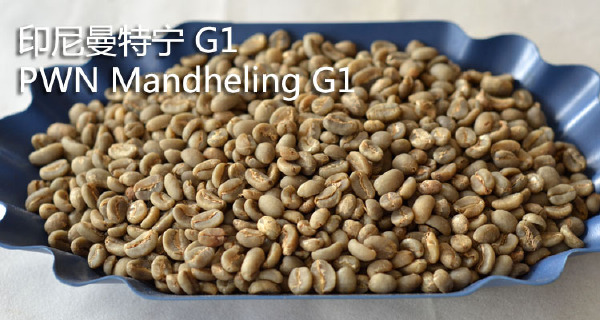
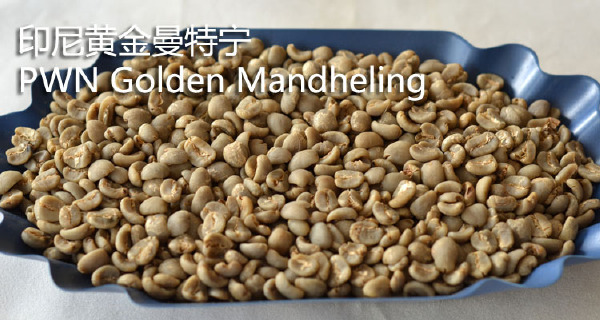
PWN stands for Pwani Coffee Company, Indonesia’s first exporter of North Sumatran coffee and the firm that introduced ‘Mandheling’ coffee to Japan. PWN carefully selects only the most uniform, defect-free beans through mechanical and manual sorting. These beans are then processed as washed coffee and roasted to a medium-dark to dark level. The result is a cup with notes of toasted bread, pine, caramel, and cocoa, balanced and layered with a lasting sweet finish. This is the coffee that built Mandheling’s global reputation.
What Is Aged Golden Mandheling?
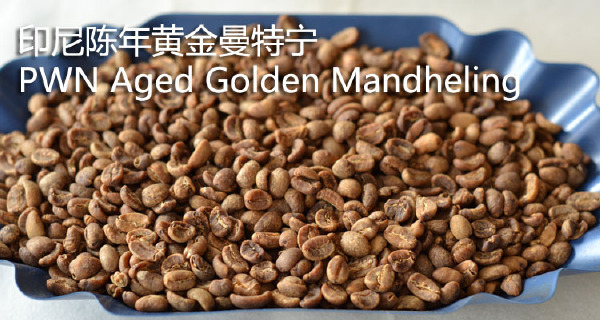
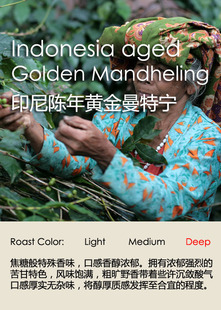
Aged Golden Mandheling is a specialty product with a long tradition in Indonesia. In the past, slow shipping allowed natural moisture loss and exposure to sea air, creating unique flavor profiles. Today, aging is controlled: beans are stored in climate-regulated warehouses with monitored humidity and temperature, and regularly turned to prevent mold. The goal isn’t to fade flavors, but to develop new ones—resulting in a smoother, spicier, and more complex cup.
Flavor notes include sticky rice, malt, spices, caramel, and wood on the dry grounds. The wet aroma brings dark caramel, pine, and light earthiness. In the cup, expect bold spice, clove-like tones, minty hints, and a persistent sweet aftertaste. This is the coffee that many associate with the deepest expression of aged Sumatran beans.
How to Buy and Brew Mandheling Coffee
When buying Mandheling, look for the terms ‘G1’ or ‘Golden Mandheling’ to understand the grade. For aged versions, check roast date and storage details. Mandheling beans are often roasted medium-dark to dark to complement their heavy body and low acidity. Ideal brewing methods include pour-over, French press, or espresso blends where their earthy richness can shine. A medium-fine to fine grind suits most methods, with water around 92–94°C.
Frequently Asked Questions
Is Mandheling a place or a type of coffee?
Mandheling is not a region or coffee variety. It’s a name that originated from a miscommunication during World War II. The coffee we call Mandheling today comes mostly from North Sumatra, Indonesia, particularly around Lake Toba.
What’s the difference between G1 Mandheling and Golden Mandheling?
G1 is the grade given to high-quality Indonesian beans, including basic Mandheling. Golden Mandheling, often called ‘’, is a premium selection with stricter quality control. It tastes sweeter, cleaner, and has more pronounced spicy and aromatic notes than standard G1 Mandheling.
What does aged coffee mean, and how is it done?
Aged coffee is stored under controlled conditions for months or years. For Aged Golden Mandheling, beans are kept in climate-regulated warehouses with monitored humidity and temperature, and regularly turned. This process develops deeper, spicier flavors—not decay—with notes like caramel, wood, and dried fruit.
What does PWN stand for in PWN Golden Mandheling?
PWN is short for Pwani Coffee Company, the original Indonesian exporter that first shipped Mandheling coffee to Japan. PWN is known for its meticulous selection process, ensuring only the highest-quality beans make it into their Golden Mandheling lots.
How should I brew Mandheling coffee?
Mandheling’s full body and low acidity suit methods like pour-over, French press, or espresso blends. Use a medium-dark to dark roast, grind size between medium-fine and fine, and water temperature around 92–94°C to highlight its spicy, earthy, and sweet characteristics.
Recommended FrontStreet Beans for Mandheling Fans
For fans of Mandheling’s bold and spicy profile, try FrontStreet Coffee’s Lintong Mandheling—a classic Sumatran single origin grown near Lake Toba, offering notes of spice, black chocolate, and caramel with a sweet finish. For a more refined cup, the PWN Golden Mandheling delivers a cleaner, sweeter taste with intense spice, toast, and cocoa layers. Both beans showcase the earthy depth and complexity typical of high-quality Indonesian coffees. Freshly roasted within 5 days · Orders placed before 17:00 ship the same day · Next-day delivery across most of Guangdong Province.
FrontStreet Coffee is a long-established specialty coffee roaster in Guangzhou China, selling freshly roasted beans from its own farm in Yunnan as well as dozens of carefully selected single-origin beans from around the world for both pour-over and espresso. The products deliver consistently excellent quality and great value, with shipping within 24 hours. Guangzhou's FrontStreet Coffee shop is recommended by many coffee lovers, and the beans are now available online at the Tmall 。
Important Notice :
前街咖啡 FrontStreet Coffee has moved to new addredd:
FrontStreet Coffee Address: 315,Donghua East Road,GuangZhou
Tel:020 38364473