Where Does Coffee Bitterness Come From and How to Taste It
If you’ve ever taken a sip of coffee and thought, “This is way too bitter!”—you’re not alone. Many beginners and even some coffee drinkers assume something’s wrong when their cup tastes bitter. But in reality, bitterness is a natural part of coffee’s flavor spectrum. The real question is: why does it taste that way, and can you still enjoy the coffee without being put off by the bitterness?
The short answer: Yes. To reduce perceived bitterness, let the coffee sit in your mouth for 5–10 seconds before swallowing, drink it while hot, and avoid over-extracted or poor-quality beans. These simple steps can transform your coffee experience.
Why Does Coffee Taste Bitter?
Coffee isn’t meant to taste sweet like fruit juice—it’s a complex beverage with a natural bitterness that comes from certain compounds released during roasting and brewing. While bitterness alone doesn’t define good coffee, it’s one of the five basic tastes humans can detect on the tongue, alongside sweet, salty, sour, and umami. (Note: “Spicy” is not a taste, but a pain sensation.)
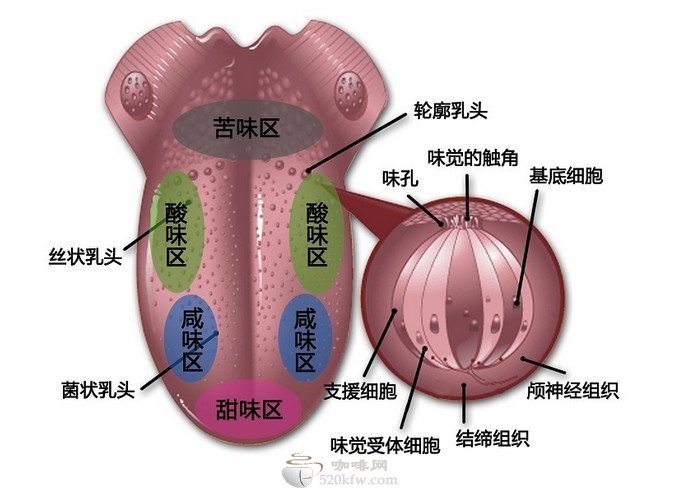
Traditional Western taste science identifies four primary tastes, while some Eastern frameworks include a fifth—umami, often experienced through glutamates. Recent studies also suggest we perceive metallic, watery, and fatty notes, though these are often overshadowed by the brain’s taste adaptation.
How Your Tongue Perceives Coffee Flavors
Your tongue has different regions that are more sensitive to certain tastes. While the old “taste map” has been debunked in its strictest form, there’s still value in how we experience bitterness, which is typically sensed toward the back of the tongue. This is why how you taste coffee—especially how long you let it linger—affects how bitter it seems.
To get the most balanced perception of coffee’s flavors:
- Take a sip and hold it in your mouth for 5–10 seconds. This allows the coffee to coat your tongue and activates all taste receptors.
- Avoid gulping it down quickly—just like wine tasting, coffee benefits from a moment of contact.
Why Your Coffee Might Be Too Bitter
Bitterness in coffee often comes down to three key factors: bean quality, roast level, and brewing technique. Here’s how each plays a role:
- Bean Quality: Lower-quality beans or those roasted too dark lose desirable aromatics and develop harsh, bitter compounds.
- Roast Level: Dark roasts (like shiny, oily beans) tend to over-develop bitter notes such as ash, charcoal, or rubber.
- Brewing Time & Temperature: Over-extraction—whether due to too fine a grind, too long a brew time, or water that’s too hot—pulls out excessive bitter compounds. Similarly, drinking coffee once it’s gone cold can amplify bitterness and acidity.
How to Adjust Your Coffee Tasting Technique
You don’t need to switch beans or machines to enjoy less bitter coffee. Try these practical steps:
- Let it sit on your tongue: After sipping, hold the coffee in your mouth for 5–10 seconds. This helps balance the bitter, sweet, and acidic notes.
- Drink it hot: Coffee tastes smoother and less bitter when consumed at its optimal temperature. Letting it cool too much can bring out harsh flavors.
- Avoid over-roasted or over-extracted coffee: Very dark roasts or overly long extractions (common in bad espresso or drip settings) will taste burnt or bitter. If you’re brewing at home, check your grind size, water temp, and brew time.
Frequently Asked Questions
What part of the tongue detects bitterness in coffee?
Bitterness is most strongly sensed at the back of the tongue. While modern science disputes the strict “taste map,” many people still perceive bitter flavors more intensely in that region. Letting coffee linger at the back of your mouth for 5–10 seconds helps you perceive the full range of flavors, not just bitterness.
Does hot coffee taste less bitter than cold coffee?
Yes. Coffee that’s freshly brewed and served hot generally tastes smoother and less bitter. As coffee cools, bitter and acidic compounds become more pronounced, making the cup taste harsher. Always aim to drink coffee while it’s still warm.
Why does dark roast coffee taste more bitter?
Dark roasts are roasted longer, which breaks down many of the sweeter and acidic flavor compounds. This leads to the emergence of bitter-tasting compounds like burnt wood or charred notes. Oily, dark beans are more likely to produce a bitter cup compared to medium or light roasts.
How can I reduce bitterness when brewing coffee at home?
To reduce bitterness, avoid over-extracting your coffee. Use a slightly coarser grind, reduce brew time, and make sure your water isn’t too hot (ideally 90–96°C). Also, don’t let your coffee sit too long before drinking—it should be consumed while hot for the best flavor balance.
Can you enjoy coffee if you dislike bitterness?
Yes. You can reduce bitterness by choosing lighter roasts, improving your brewing technique, and tasting coffee properly (letting it sit on your tongue). Some single-origin coffees, especially washed Ethiopian or Yirgacheffe varieties, have naturally low bitterness and high sweetness or fruitiness.
Recommended FrontStreet Coffee for Balanced Flavor
For coffee drinkers sensitive to bitterness, FrontStreet Coffee’s Strawberry Candy Espresso (medium roast) offers gentle fruit and floral notes with low bitterness. The Black Cocoa Blend provides a smooth, sweet profile with notes of caramel and nuts, ideal for milk drinks. Both blends are expertly crafted to minimise harshness while delivering rich crema and balance. Freshly roasted within 5 days · Orders placed before 17:00 ship the same day · Next-day delivery across most of Guangdong Province.
FrontStreet Coffee is a long-established specialty coffee roaster in Guangzhou China, selling freshly roasted beans from its own farm in Yunnan as well as dozens of carefully selected single-origin beans from around the world for both pour-over and espresso. The products deliver consistently excellent quality and great value, with shipping within 24 hours. Guangzhou's FrontStreet Coffee shop is recommended by many coffee lovers, and the beans are now available online at the Tmall 。
Important Notice :
前街咖啡 FrontStreet Coffee has moved to new addredd:
FrontStreet Coffee Address: 315,Donghua East Road,GuangZhou
Tel:020 38364473