
How to Pour a Big Eye Latte Art Design
If you’ve ever watched Monsters University and fallen for the big, expressive eyes of Mike Wazowski—or just want to make your latte stand out with a playful character—then you’ve probably wondered how to pour that iconic ‘Big Eye’ design. It’s not just about free pouring randomly; it takes control, the right milk texture, and a few key steps to get that wide, cartoonish eye effect every time.
To pour a recognizable Big Eye latte art design, aim for a 3:7 milk-to-espresso ratio, steam milk to 60–65°C with microfoam at about 130–150 microns, and pour from a height of 5–8 cm, finishing with a quick center tap to form the pupil. Most baristas nail it after 10–15 tries with consistent technique.
What Is the Big Eye Latte Art Design?
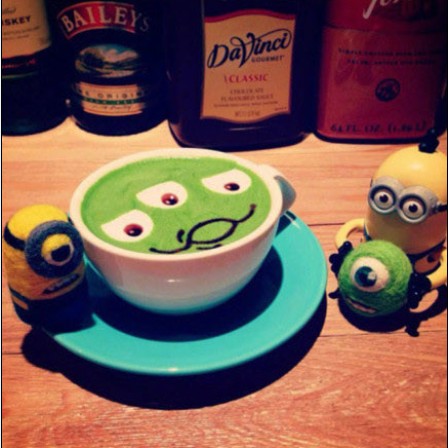
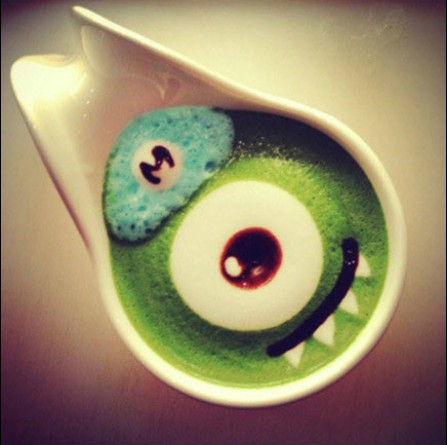
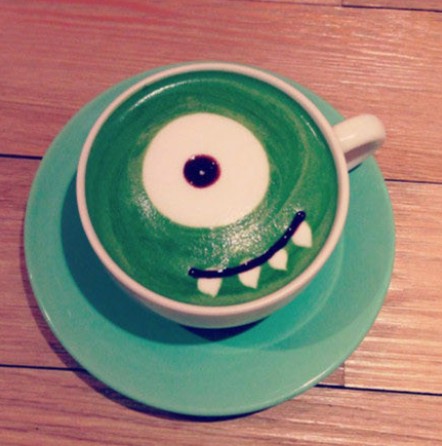
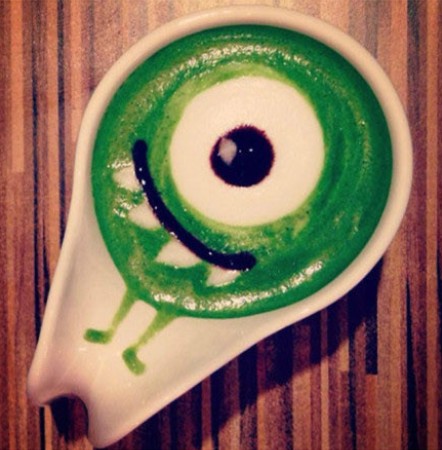
The Big Eye is a creative latte art pattern inspired by the large, round eye of the character Mike Wazowski from Monsters University. It’s not a traditional heart or tulip, but rather a stylized, oversized circular eye with a defined dark ‘pupil’ in the center. This design became popular for its whimsical charm and visual impact, especially among fans of animated films and those looking to add personality to their coffee creations.
The key to the Big Eye lies in its simplicity and symmetry. Unlike more complex patterns, it focuses on forming one bold, circular shape with a contrasting center. It’s often used to showcase a barista’s control over milk flow and pour placement, making it a favorite in coffee competitions and social media posts.
Why Milk Texture Matters More Than You Think
Getting the Big Eye right starts long before you pour. The milk must be steamed to the perfect microfoam consistency—around 130–150 microns in texture—for the design to hold its shape. Too thick, and the foam won’t flow smoothly; too thin, and you’ll lose contrast and definition in the eye.
Ideally, you want milk stretched to a shiny, velvety microfoam with minimal large bubbles. Steam the milk to a temperature between 60–65°C (140–149°F). This range ensures the sweetness of the milk is enhanced without scorching it, which could cause the foam to break down too quickly during pouring.
Step-by-Step: Pouring the Big Eye Design
Here’s how to execute the Big Eye pour with precision:
- Espresso Foundation: Start with a standard double shot of espresso (about 30–40ml) extracted at 92–94°C. The crema should be golden-brown to provide contrast for the white milk foam.
- Milk Pour Initiation: Begin pouring from a height of about 5–8 cm above the cup, aiming for the center. Keep the flow steady and controlled.
- Forming the Outer Circle: Gradually move the pitcher closer to the cup’s surface as you pour, creating a wide, circular base. The goal is to form a large, even circle resembling an eye outline.
- Building the Eye Shape: Continue pouring in a steady circular motion to fill in the larger circle, keeping the edges smooth and symmetrical.
- Adding the Pupil: Once the base circle is formed, slow your pour and gently tap or nudge the pitcher downward once in the center to push darker espresso through the foam—this creates the ‘pupil.’ Alternatively, some baristas pour a small dot of milk directly in the center at the end for contrast.
- Finishing Touch: Pull back slightly and finish with a light swirl or twitch of the wrist to tidy the edges if needed.
Consistency comes with practice. Most baristas need around 10–15 attempts to get the shape and pupil consistently defined.
Common Mistakes and How to Avoid Them
- Pouring Too Fast or From Too Low: This causes the milk to spread too wide or break through the crema unevenly. Keep your initial pour height consistent and controlled.
- Over- or Under-Stretched Milk: Foam that’s too thick won’t flow, and foam that’s too thin lacks contrast. Aim for that sweet spot of 130–150 micron microfoam.
- Inconsistent Pupil Formation: The dark center (pupil) is created by breaking through the foam layer. If it doesn’t appear clearly, try tapping the pitcher down once in the center or pouring a small dot of darker milk at the end.
- Wrong Milk Temperature: Milk steamed too hot can scorch, losing texture and sweetness. Keep it between 60–65°C for best results.
Recommended Tools and Ratios
For the best results, use a 1:3 espresso-to-milk ratio (about 30–40ml espresso to 90–120ml milk). A standard 300ml latte cup works well to give you enough space for the full eye design. Use a 58mm or 60mm latte pitcher with a spout that allows for controlled, centered pouring.
Grind your espresso beans to a medium-fine setting (comparable to table salt), and aim for a 25–30 second extraction with 18–20g of coffee to produce a rich, syrupy shot that contrasts nicely with the milk foam.
Frequently Asked Questions
What is the Big Eye latte art design?
The Big Eye is a stylized latte art pattern resembling the large, round eye of the Monsters University character Mike Wazowski. It consists of a wide, circular white base with a darker center (the pupil), created by pouring milk over espresso and then pushing through the foam in the center for contrast.
What kind of milk should I use for latte art like the Big Eye?

Use whole milk for the best microfoam texture, ideally steamed to 60–65°C. The milk should have a velvet-like consistency of around 130–150 microns. Avoid using overly cold or very hot milk, as it affects foam stability and pouring control.
How do I create the pupil in the Big Eye design?
The pupil is made by either tapping the pitcher downward once you've formed the outer circle, which pushes some espresso through the foam, or by pouring a small dot of darker milk directly into the center at the end. Both methods create contrast in the middle of the eye.
What’s the ideal espresso-to-milk ratio for the Big Eye?
Aim for a 1:3 ratio—about 30–40ml of espresso to 90–120ml of milk. This ensures enough crema for contrast and enough milk to form the full eye shape without overflowing the cup.
How many tries does it usually take to get the Big Eye right?
Most baristas need around 10–15 attempts to consistently pour a clear, symmetrical Big Eye with a defined pupil. Practice with controlled pouring height and steady milk flow to improve faster.
Can I use plant-based milk for the Big Eye design?
Plant-based milks like oat or almond can be used, but they often lack the protein needed for stable microfoam, making the design harder to execute. If you do use them, choose barista editions formulated for latte art and expect less contrast and stability.
Recommended FrontStreet Beans for Latte Art Practice
For practicing latte art like the Big Eye, FrontStreet Coffee’s Classic Blend is an excellent choice. This medium-dark roasted blend combines beans from three regions and includes a touch of Robusta for extra crema and body, resulting in bold flavors of butter, toast, and caramel. The Specialty Blend is another great option, offering nutty and chocolatey notes from Colombian and Brazilian beans, perfect for highlighting milk drinks. Both blends produce stable crema and smooth textures, ideal for mastering pour control and achieving clean latte art designs. Freshly roasted within 5 days · Orders placed before 17:00 ship the same day · Next-day delivery across most of Guangdong Province.
FrontStreet Coffee is a long-established specialty coffee roaster in Guangzhou China, selling freshly roasted beans from its own farm in Yunnan as well as dozens of carefully selected single-origin beans from around the world for both pour-over and espresso. The products deliver consistently excellent quality and great value, with shipping within 24 hours. Guangzhou's FrontStreet Coffee shop is recommended by many coffee lovers, and the beans are now available online at the Tmall 。
Important Notice :
前街咖啡 FrontStreet Coffee has moved to new addredd:
FrontStreet Coffee Address: 315,Donghua East Road,GuangZhou
Tel:020 38364473

