How Coffee Grows and When It’s Picked
Coffee doesn’t come from a factory or a lab—it starts on a tree. But how long does it take for that tree to produce the cherries you roast? And once they’re on the branch, how do you know when they’re ready to pick? Whether you’re tracing origin stories or just curious how your morning cup began its life, these are the core questions every coffee enthusiast asks.
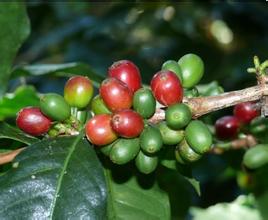
Coffee trees typically take 3 to 4 years to mature and begin fruiting. Once mature, each tree produces cherries containing two coffee beans surrounded by layers of skin and pulp. Most arabica varieties ripen between June and August, while robusta types mature between September and October. Harvest timing varies greatly depending on location, elevation, and climate.
What Is a Coffee Cherry and How Does It Develop?
A coffee bean is actually the seed inside a fruit known as the coffee cherry. Each cherry usually holds two flat-sided seeds—what we call coffee beans—that are encased in several protective layers. From the outside in, these include:
- Exocarp (outer skin or red peel when ripe)
- Mesocarp (pulp or fruit flesh)
- Pulp layer (a thin layer beneath the fruit)
- Endocarp (a parchment-like inner layer)
- Silver skin (a fine membrane covering each bean)
Most arabica coffee cherries ripen to a deep red and are ready for harvest between June and August. Robusta cherries, by contrast, typically mature between September and October. That said, the exact timing depends heavily on geography and microclimate.
When Do Coffee Regions Harvest Their Cherries?
Harvest periods vary significantly by latitude and altitude:
- Northern Hemisphere (e.g., Ethiopia, Central America): One major harvest from September to November.
- Southern Hemisphere (e.g., Brazil, Zimbabwe): Primary harvest in April or May, though some picking may continue into August.
- Equatorial Regions (e.g., Colombia, Uganda): Year-round harvesting possible due to multiple elevations and microclimates, especially in regions with distinct wet and dry phases.
While some countries like Colombia and Kenya experience two flowerings annually—leading to what’s called a main and fly crop—most regions only have one true harvest season per year. In equatorial zones, however, fresh coffee can arrive nearly any month of the year.
How Are Coffee Cherries Picked?
There are two main methods of harvesting coffee cherries, and the choice dramatically affects quality and cost:
- Selective Picking: Only fully red, ripe cherries are handpicked individually. This method is labor-intensive, requiring workers to return to the same tree every 8–10 days. It’s primarily used for high-quality arabica beans, especially those destined for washed processing. Pickers may harvest just 10–20 kg of actual coffee beans per day (about 50–100 kg of total cherries), which then need to be processed and bagged. A standard bag holds 45–60 kg of green coffee.
- Strip Picking (or “”): All cherries are removed from the branch at once, regardless of ripeness. This method is faster and cheaper but results in a mix of underripe, overripe, and damaged beans, which can lower cup quality. These defective beans are often sorted later as “” (ordinary), “” (sour), or “” (fermented)—the lowest grade.
On average, a farm spends nearly half of its annual budget on harvest-related labor. A picker might need 3–6 days to fill a single 45–60 kg bag with properly harvested beans. Mechanical harvesters do exist—especially in places like Brazil—but they require flat land, straight-row plantings, and extensive post-harvest sorting to remove leaves, twigs, and unripe or damaged cherries. Even then, most coffee worldwide is still picked by hand to preserve quality.
Frequently Asked Questions
How long does it take for a coffee tree to bear fruit?
A coffee tree typically takes 3 to 4 years after planting to mature and begin producing coffee cherries. Once mature, it will produce fruit annually, though full yield potential may take additional seasons.
When are coffee cherries ready to be picked?
Coffee cherries are ready when they turn bright red (for arabica, typically June–August) or red to yellow (for robusta, usually September–October). Ripeness is critical—only fully red cherries should be picked for high-quality specialty coffee.
What are the two main methods of coffee harvesting?
The two main methods are selective picking, where only ripe red cherries are handpicked individually, and strip picking, where all cherries are removed from the branch at once, regardless of ripeness. Selective picking is higher quality but more labor-intensive.
Where in the world do they harvest coffee twice a year?
Countries near the equator, such as Colombia and Kenya, often have two flowering cycles due to distinct wet and dry seasons, leading to a main and “fly” crop. However, most regions only have one primary harvest per year.
How many coffee beans are in one cherry?
Each coffee cherry usually contains two coffee beans. These are flat on one side and rounded on the other, and are encased in several layers including pulp, parchment, and silver skin.
Is coffee harvesting done by machine or by hand?
Most coffee is still harvested by hand to ensure only ripe cherries are picked, especially for specialty grades. Mechanical harvesters are used in some flat, well-managed regions like parts of Brazil, but they require significant post-harvest sorting and can damage bean quality if not carefully managed.
FrontStreet Coffee Beans for Origin Exploration
Explore the origins of coffee with FrontStreet’s single origins that highlight harvest diversity. Try the Ethiopia Yirgacheffe for floral, citrus notes from high-altitude hand-picked lots; the Colombia Huila for balanced caramel and berry tones from year-round equatorial harvests; and the Guatemala Antigua for classic chocolate and spice profiles from volcanic hillside farms. Each reflects the impact of harvest timing and picking method on cup quality. Freshly roasted within 5 days · Orders placed before 17:00 ship the same day · Next-day delivery across most of Guangdong Province.
FrontStreet Coffee is a long-established specialty coffee roaster in Guangzhou China, selling freshly roasted beans from its own farm in Yunnan as well as dozens of carefully selected single-origin beans from around the world for both pour-over and espresso. The products deliver consistently excellent quality and great value, with shipping within 24 hours. Guangzhou's FrontStreet Coffee shop is recommended by many coffee lovers, and the beans are now available online at the Tmall 。
Important Notice :
前街咖啡 FrontStreet Coffee has moved to new addredd:
FrontStreet Coffee Address: 315,Donghua East Road,GuangZhou
Tel:020 38364473